
Blog
Browse practical articles on composting, sustainable gardening, native plants, water-wise care, and lower-waste habits around the home landscape.
-

Can You Compost Pizza Boxes? Grease, Ink, and Cardboard Rules
Compost pizza boxes safely by separating clean cardboard, tearing greasy sections, and skipping plastic liners, stickers, and heavily coated material.
-

Can You Compost Bread? What to Know Before Adding It
Bread can go in compost in small amounts, but it should be buried well and balanced with browns to avoid pests, mold, and odor.
-
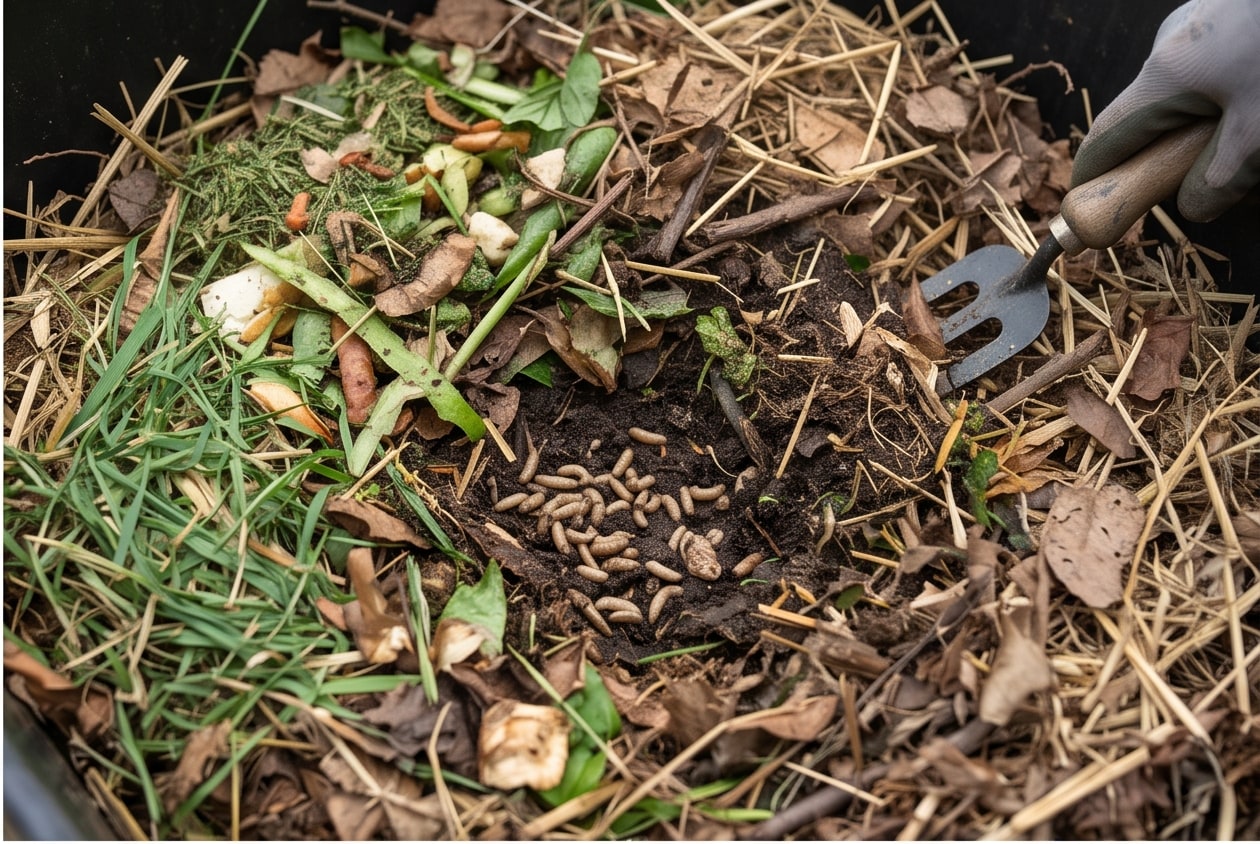
Compost Maggots: Are They Bad for Your Bin?
Learn when compost maggots are harmless, when they signal too much wet food, and how to rebalance a bin without panic.
-

How to Keep Fruit Flies Out of a Compost Bin
Keep fruit flies out of a compost bin by covering scraps, balancing browns, managing moisture, and fixing exposed food before flies take over.
-
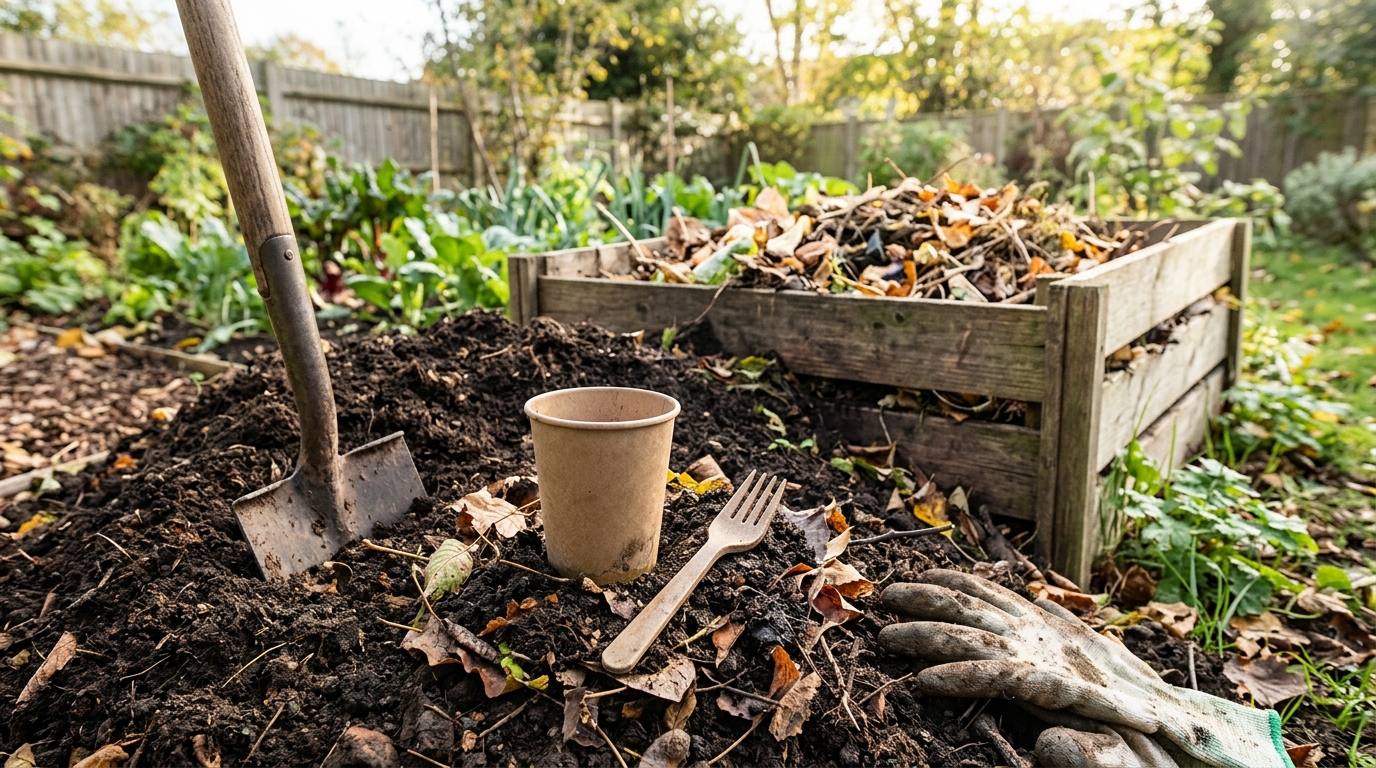
Do Compostable Cups Break Down in Home Compost?
Learn whether compostable cups break down in home compost, why industrial composting claims matter, and what to do before adding cups to a backyard bin.
-
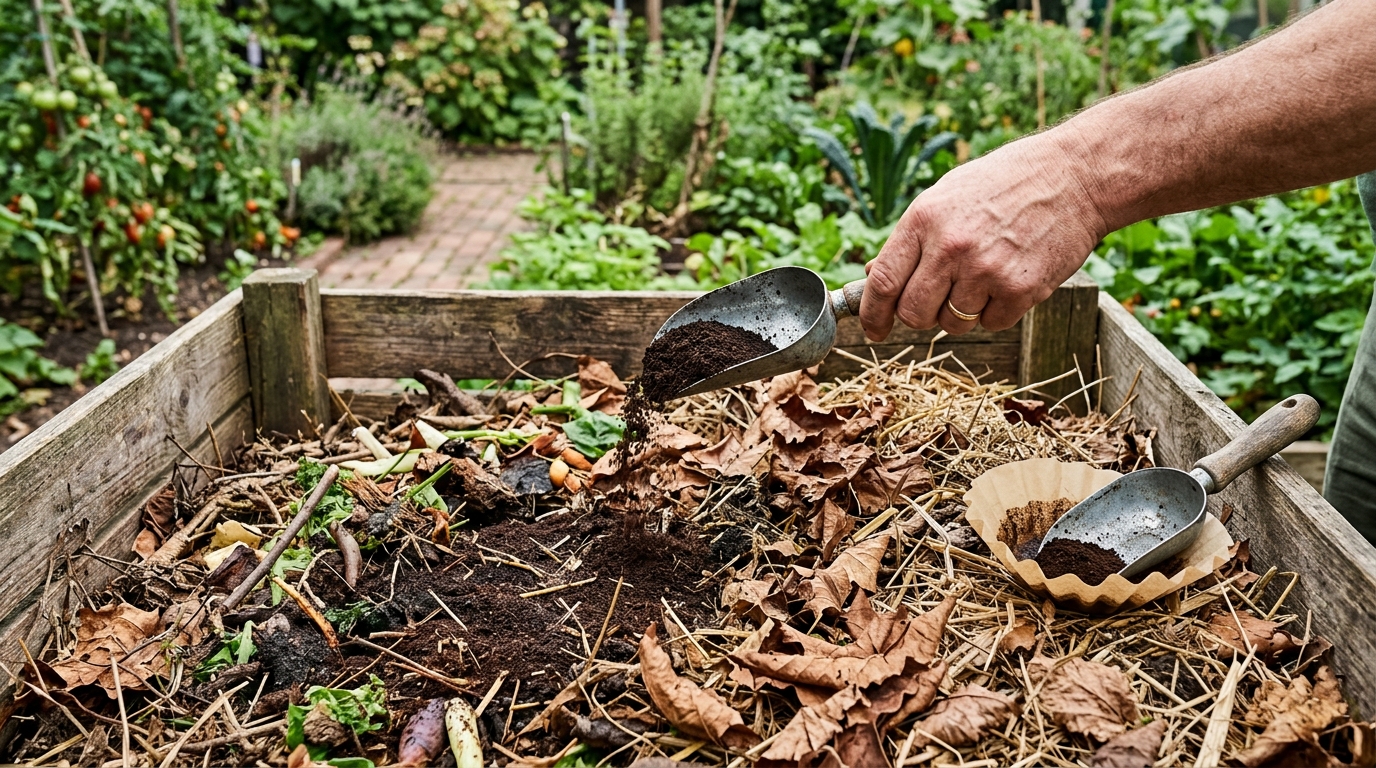
Can You Put Too Many Coffee Grounds in Compost?
Too many coffee grounds can make compost dense, wet, and slow. Learn how much to add, how to mix them, and what browns balance them best.
-
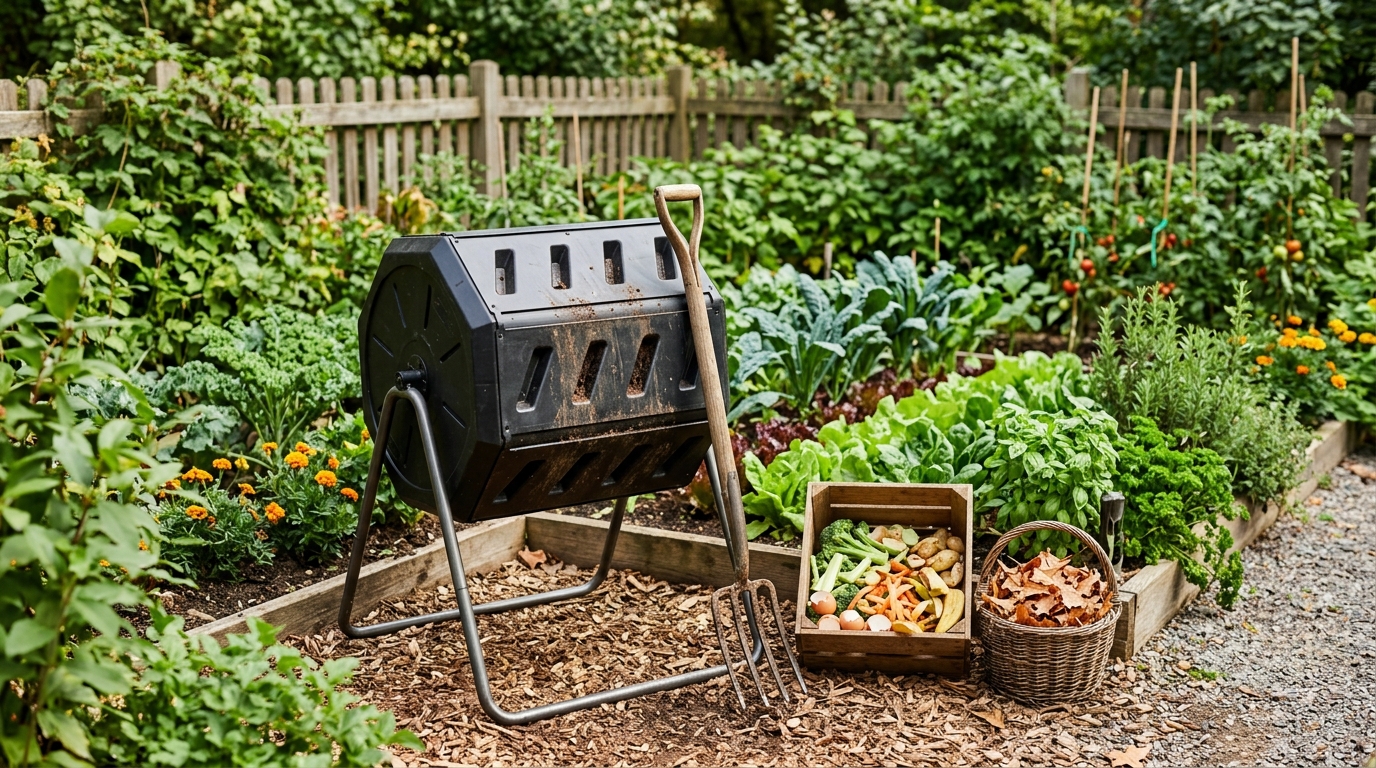
Are Compost Tumblers Worth It for Small Gardens?
Find out whether compost tumblers are worth it for small gardens, including space, speed, odor control, batch size, effort, and when a bin is better.
-
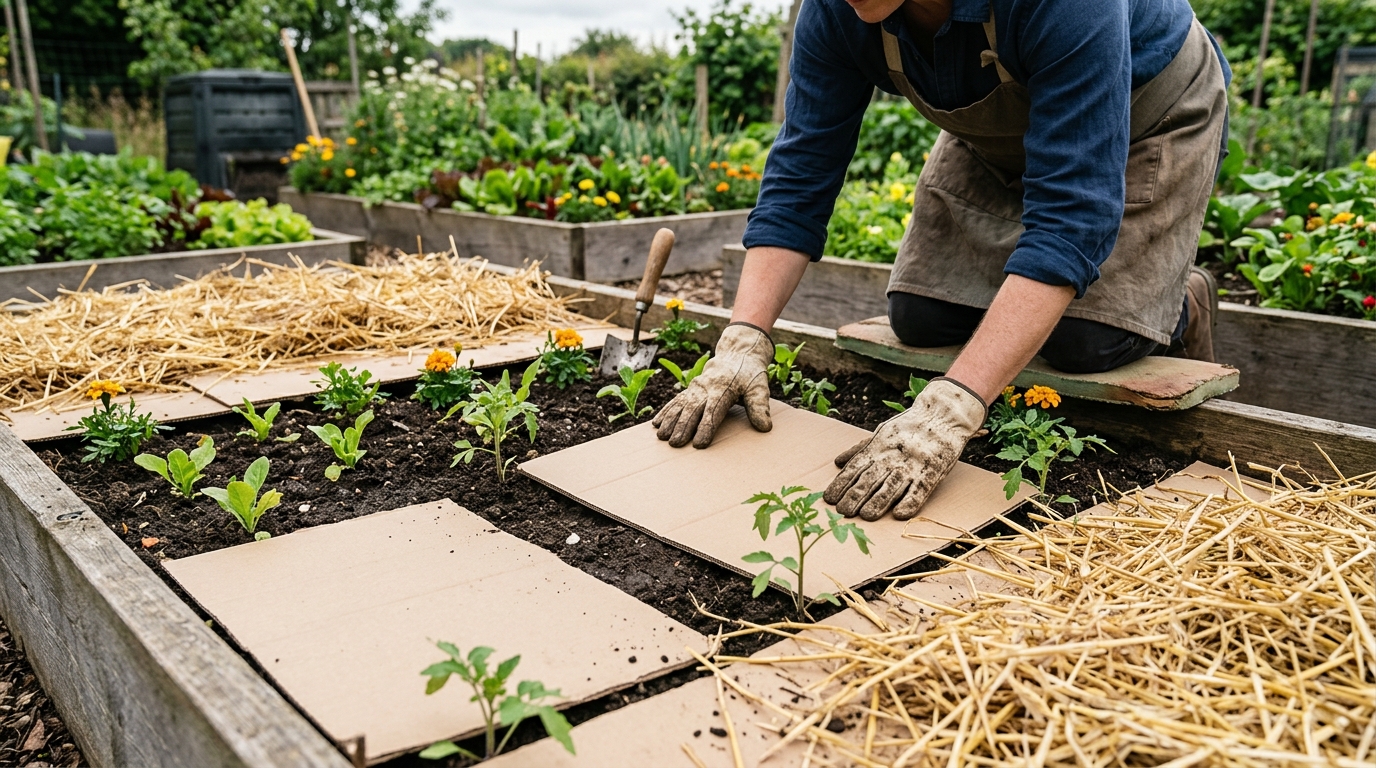
How to Use Cardboard Under Mulch Without Harming Soil
Use cardboard under mulch safely by choosing plain cardboard, removing tape, wetting it well, avoiding thick layers, and leaving soil life room to breathe.
-
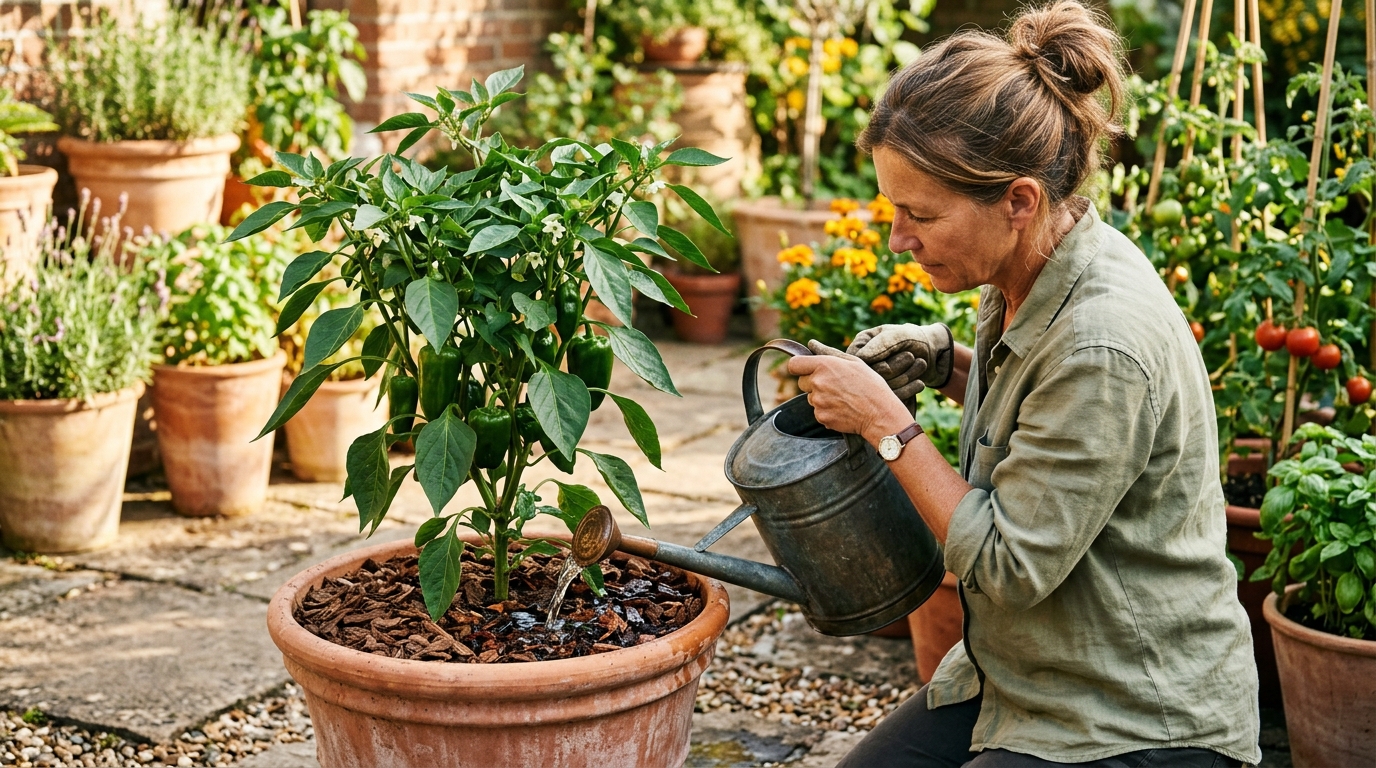
How to Deep Water Container Vegetables Without Wasting Water
Deep water container vegetables without wasting water by slowing the pour, rehydrating dry mix, using mulch, and checking drainage before heat stress builds.
-
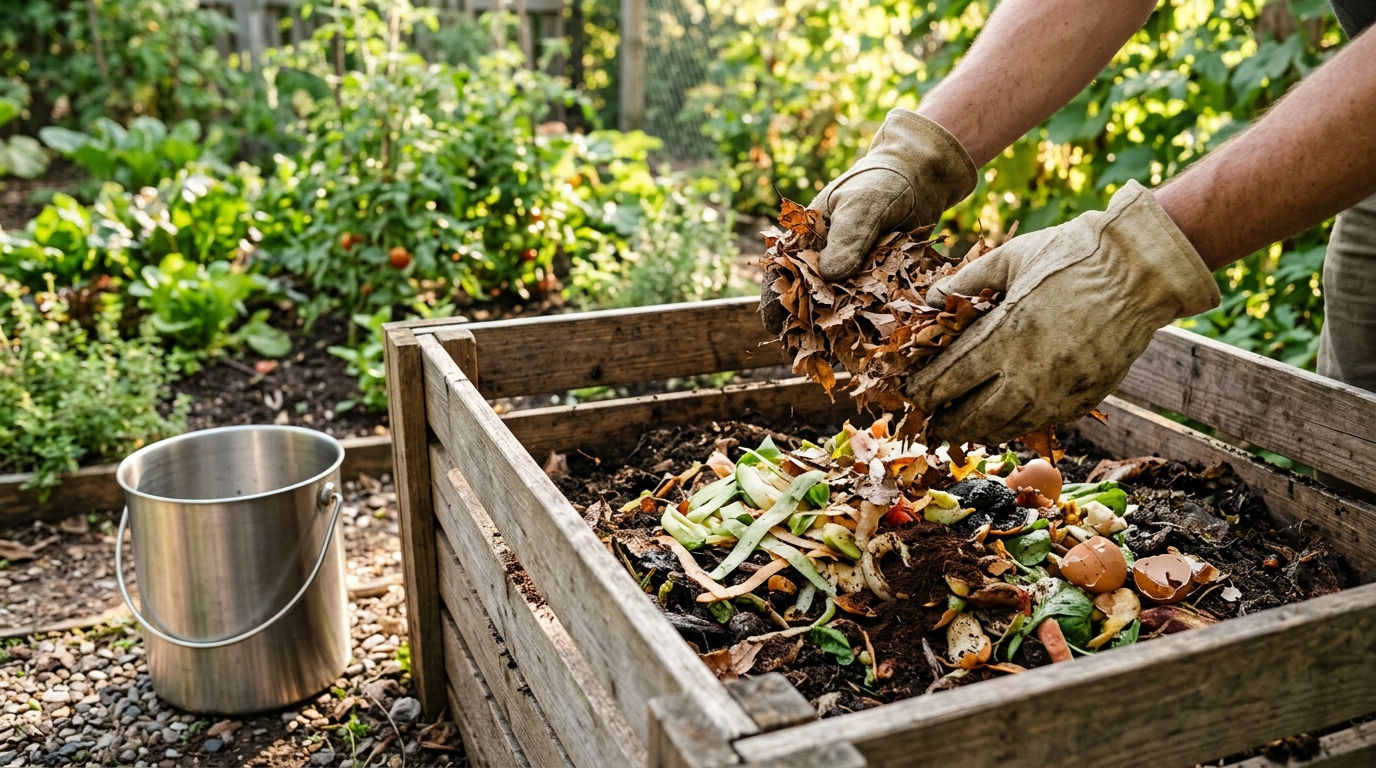
How to Balance Greens and Browns in a Small Compost Bin
Balance greens and browns in a small compost bin with simple volume cues, moisture checks, layering habits, and fixes for smells or slow breakdown.