Practical gardening guides for healthier, lower-waste home gardens
Explore beginner-friendly guidance on native plants, pollinator-friendly gardening, soil health, mulch, water-wise habits, and lower-maintenance ways to build a healthier garden at home.
Choose a practical gardening path
This hub connects the site’s main gardening clusters: native plants, pollinator support, soil and mulch, water-wise habits, and lower-maintenance garden systems for real home landscapes.
Choose the right sustainable gardening path
Use this page as the main map for practical garden improvements: native planting, water-wise care, soil health, mulch, low-maintenance systems, and wildlife support.
Start with soil and mulch
Build healthier beds before adding more plants.
Plan native and pollinator areas
Use native plants and layered habitat without making the yard feel wild by accident.
Reduce water stress
Use mulch, deep watering, and drought-resilient bed prep before hot weather.
Keep maintenance realistic
Control weeds, simplify routines, and build systems that fit real home schedules.
Start with the guides that make sustainable gardening easier
If you’re not sure where to begin, these are the best practical guides to start with.
How to Create a Pollinator-Friendly Garden at Home
Learn how to build a garden that supports bees, butterflies, and other beneficial insects without making the space feel overcomplicated.
How to Reduce Water Use in Your Garden Without Sacrificing Healthy Plants
Use smarter watering habits, better soil support, and more efficient garden practices to reduce waste while keeping plants healthier.
Best Ways to Improve Garden Soil Naturally
Strengthen your garden from the ground up with compost, mulch, organic matter, and better long-term soil habits.
How to Start a Low-Maintenance Sustainable Garden
Build a garden that works better with your time, your space, and your long-term goals instead of creating more unnecessary upkeep.
Explore gardening topics
Browse the main gardening themes covered by Renewable Gardening.
- Native Plants and Sustainable Landscaping — Learn how native plant choices can support lower-input, more resilient yards and healthier outdoor spaces.
- Pollinator-Friendly Gardening — Find practical ways to support bees, butterflies, and other beneficial insects in a home garden.
- Soil Health and Garden Foundations — Explore compost, mulch, soil improvement, and the habits that support stronger garden systems over time.
- Water-Wise and Low-Maintenance Gardening — Reduce unnecessary work and waste with better watering habits, smarter plant choices, and more manageable garden systems.
Featured practical guides
These articles are some of the best current examples of Renewable Gardening’s practical approach to sustainable home gardening.
- Benefits of Native Plant Landscaping for Sustainable Yards
- How to Create a Pollinator-Friendly Garden at Home
- How to Reduce Water Use in Your Garden Without Sacrificing Healthy Plants
- Why Mulch Matters in a Sustainable Garden
- Best Ways to Improve Garden Soil Naturally
- How to Start a Low-Maintenance Sustainable Garden
A more practical approach to sustainable gardening
This gardening section is built around the idea that healthier gardens come from better systems, not more unnecessary work. The goal is not to make gardening complicated. The goal is to help people make better choices through healthier soil, smarter watering, useful plant selection, and habits that support stronger gardens over time.
Latest gardening posts
Recent practical articles from Renewable Gardening’s gardening section.
-
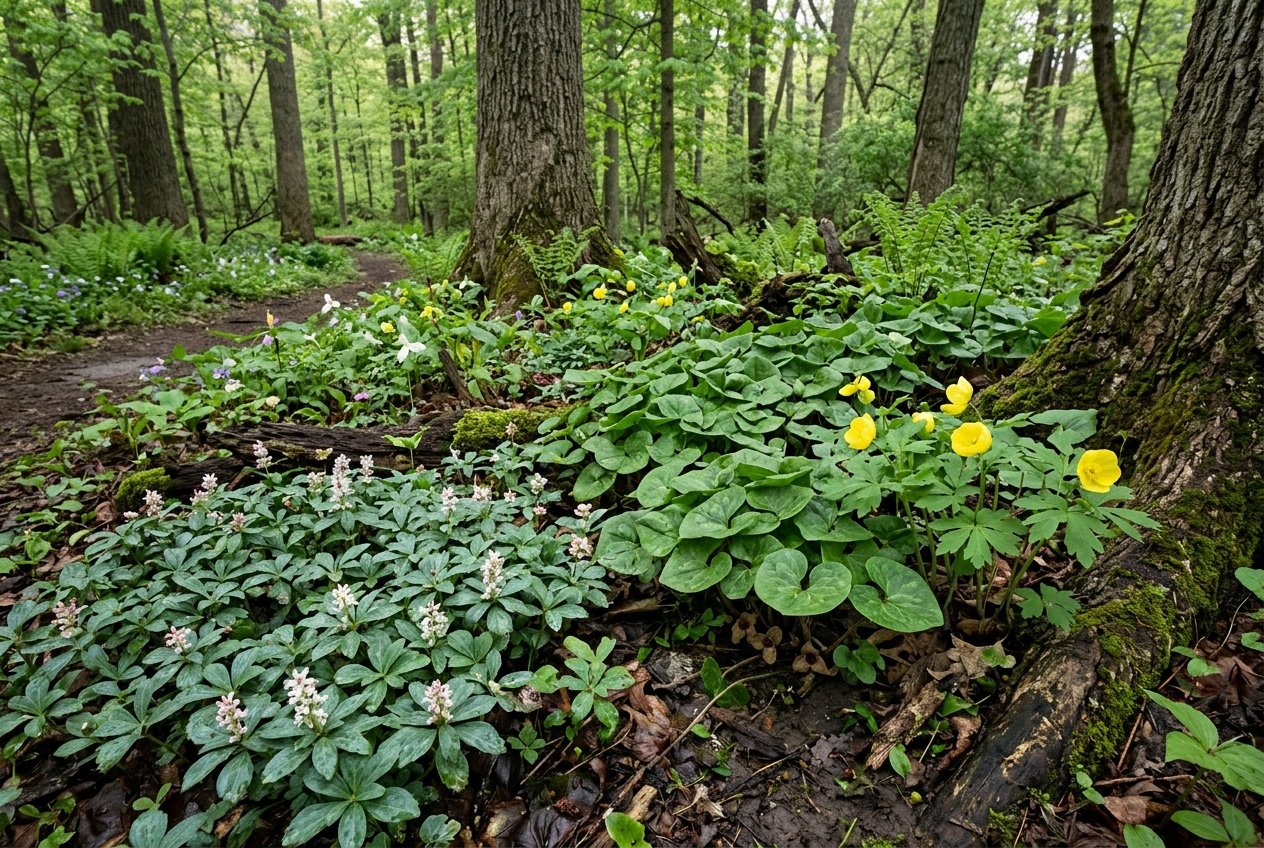
Best Ground Covers for Clay Soil in Sustainable Gardens
Clay soil can support strong ground covers when you match plants to moisture, shade, and foot traffic instead of fighting the soil.
-
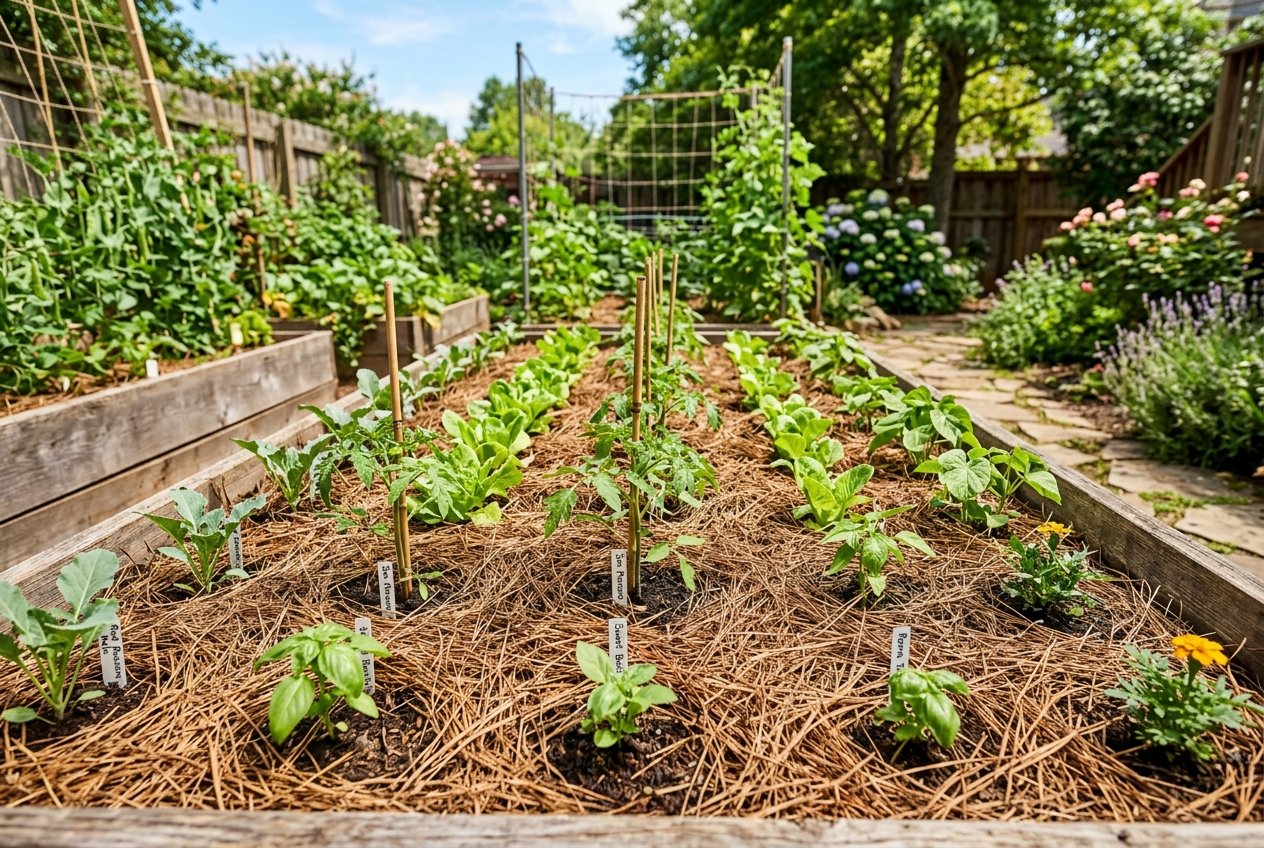
Pine Needles as Mulch in a Vegetable Garden: Safe Uses and Limits
Pine needles can be used as vegetable garden mulch when spread thinly, kept off stems, and treated as a moisture-saving cover rather than a soil acidifier.
-
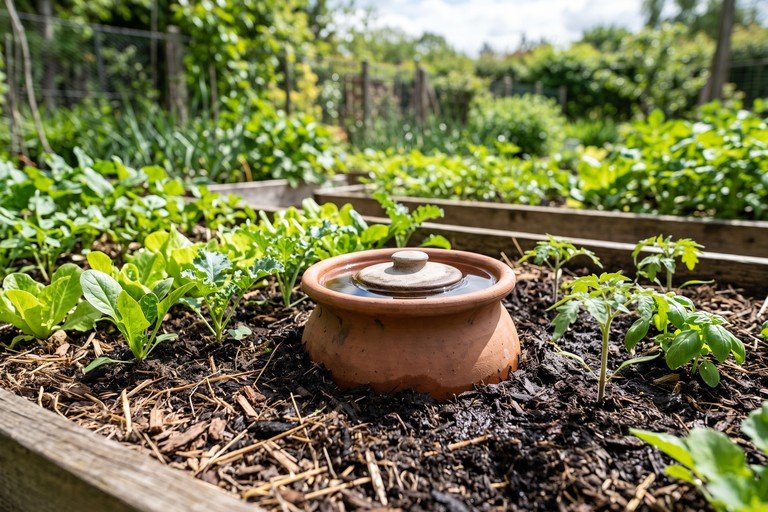
DIY Olla Irrigation: Simple Terracotta Watering Systems
Learn how to make and use DIY olla irrigation pots. Discover how simple buried clay pots save water, reduce evaporation, and keep garden plants hydrated.
-
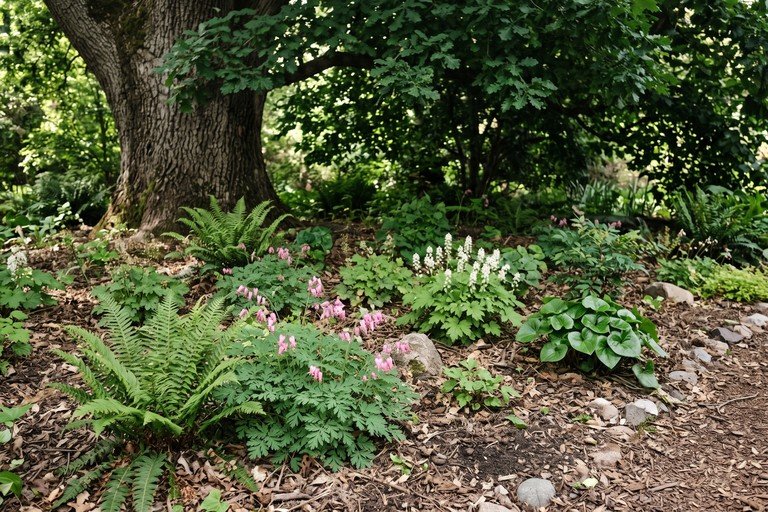
Native Plants for Dry Shade: Practical Choices Under Trees
Dry shade is difficult because roots and canopy compete for water. Use tough native groundcovers, sedges, and woodland-edge plants with realistic establishment care.
-
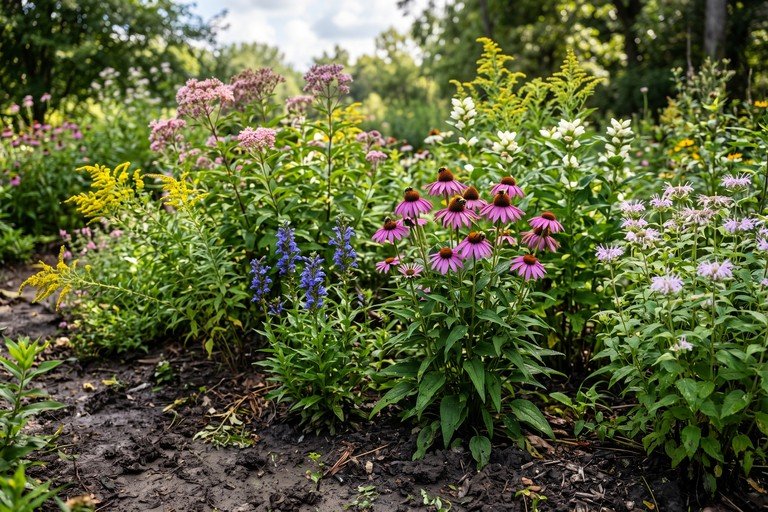
Best Native Plants for Clay Soil in Home Gardens
Choose native plants for clay soil by matching moisture, drainage, and root strength instead of fighting heavy soil with constant amendments.
-
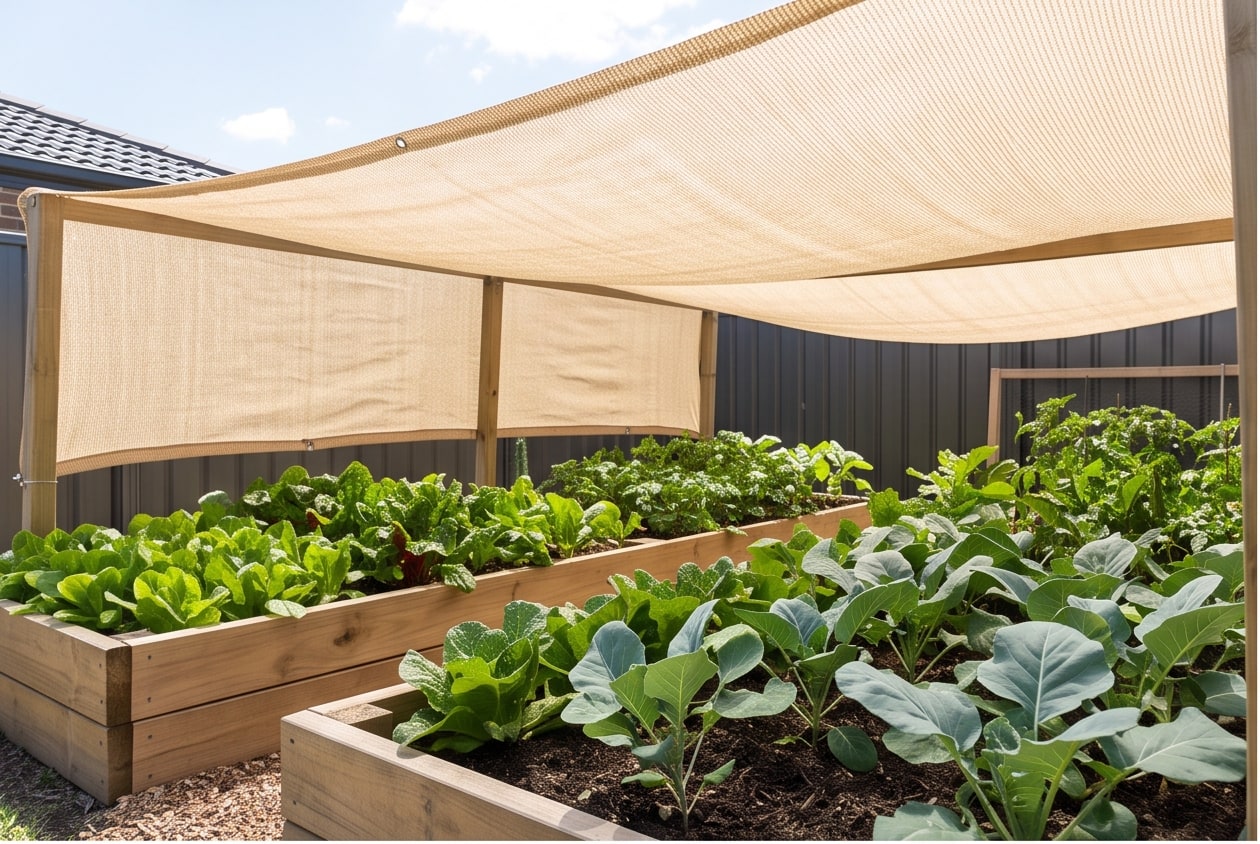
Shade Cloth for Vegetable Gardens: When and How to Use It
Use shade cloth in vegetable gardens during heat waves without blocking too much light, trapping heat, or stressing plants further.
Keep building a healthier, more resilient home garden
Explore more practical gardening guides on pollinators, native plants, soil health, mulch, and lower-maintenance garden care.
Curated Gardening Paths
Use these paths to move from a broad gardening question into the next practical project.
Start Here
Compare Options
- Native Plants vs Ornamental Landscaping
- Raised Bed vs In-Ground Bed
- Drip Irrigation vs Soaker Hose vs Hand Watering
Fix Common Problems
Image Credits
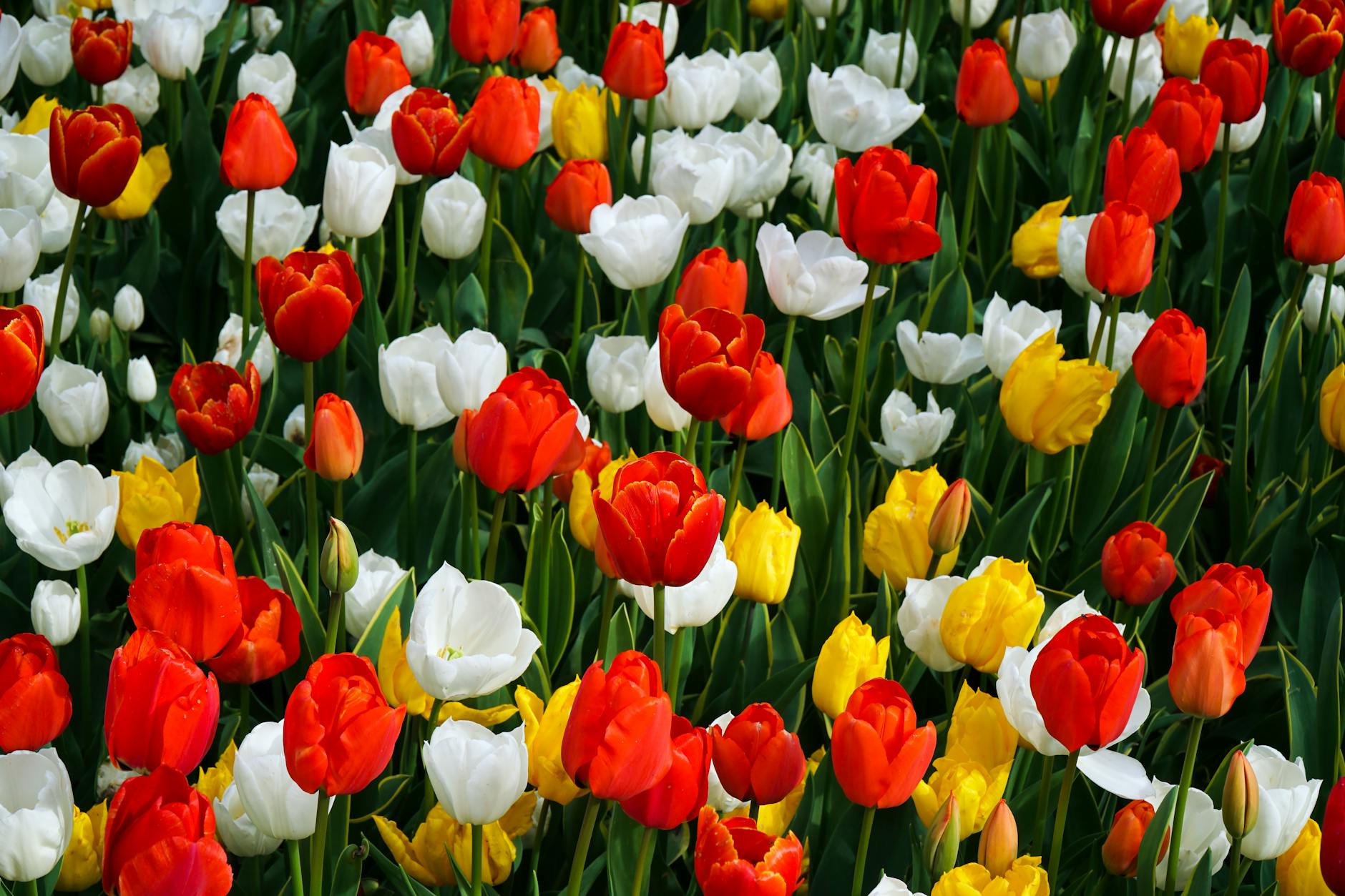
- Bright garden banner for Gardening page: Photo by Boys in Bristol Photography via Pexels, licensed Pexels License.
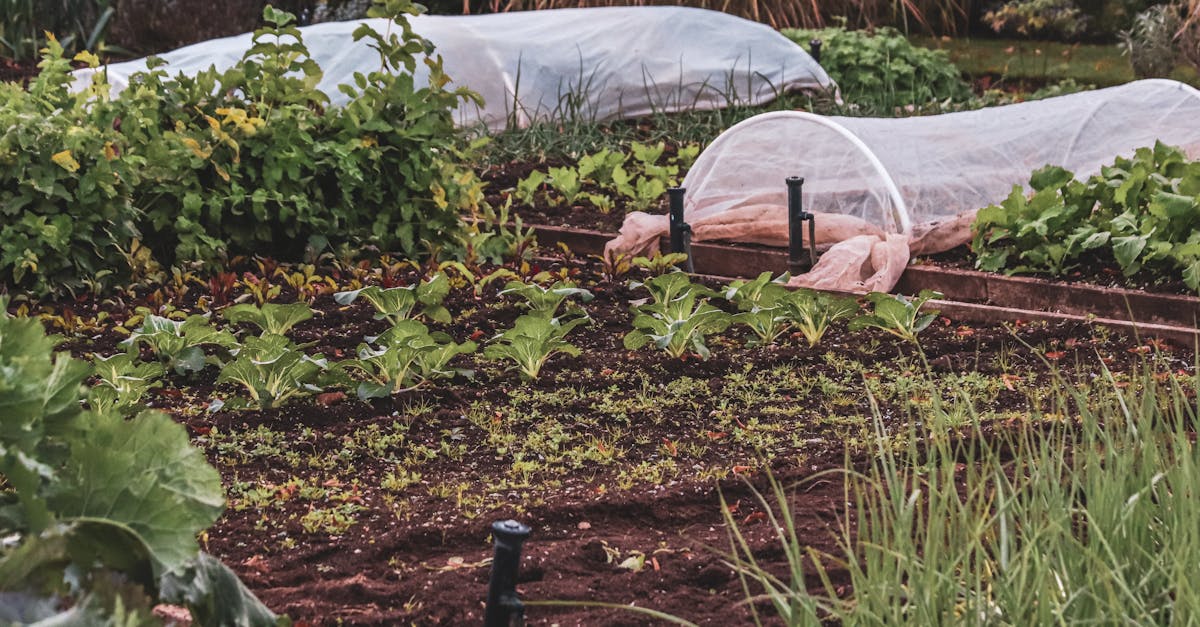
- Healthy home garden beds: Photo by Engin Sezer via Pexels, licensed Pexels License.
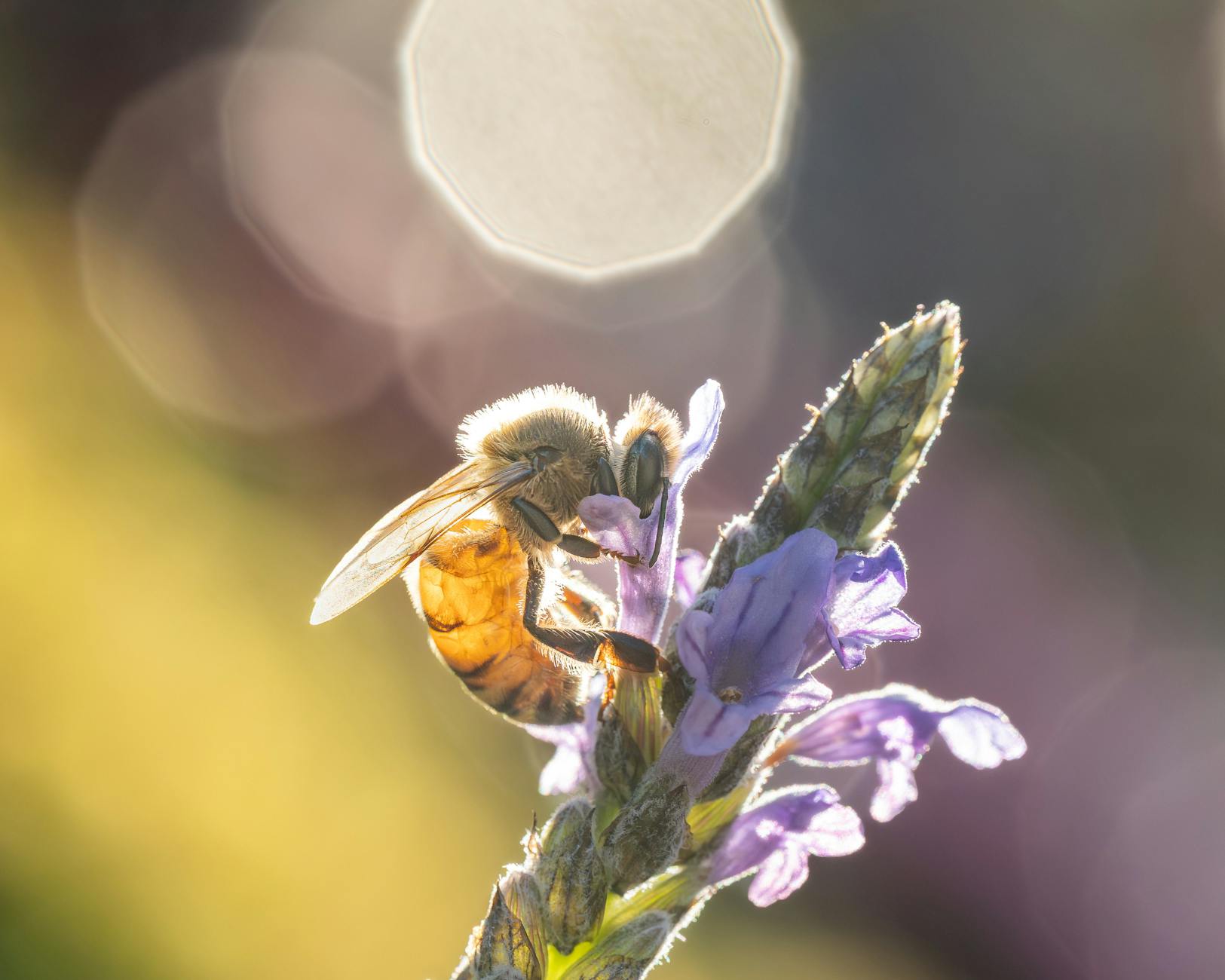
- Pollinator-friendly flowering garden plants: Photo by Dmytro Koplyk via Pexels, licensed Pexels License.
- Mulched garden bed and healthy planting: Photo by Magda Ehlers via Pexels, licensed Pexels License.