Water-wise gardening is not only about watering less. It is about putting water where roots can use it. Drip irrigation, soaker hoses, and hand watering can all be efficient in the right situation, but each one has a different balance of cost, control, and effort.
Key Takeaways
- Drip irrigation is usually the most efficient for permanent beds when installed well.
- Soaker hoses are simpler and useful for straight rows or small beds.
- Hand watering offers control but depends heavily on patience and timing.
- Mulch and soil health improve the results of any watering method.
Quick Comparison
| Method | Best For | Tradeoff |
|---|---|---|
| Drip irrigation | Permanent beds and larger systems | More setup and parts |
| Soaker hose | Simple rows and smaller beds | Less precise and can water unevenly |
| Hand watering | Containers, new plants, small gardens | Requires time and consistency |
Use drip irrigation for efficient permanent watering
Drip irrigation delivers water slowly near the root zone. It can reduce evaporation and keep leaves drier, which is useful in permanent beds, vegetable rows, and larger gardens. The tradeoff is setup: filters, emitters, tubing, and maintenance all matter.
Drip works best when paired with mulch and healthy soil. See Why Mulch Matters in a Sustainable Garden.
Use a soaker hose for simple beds
A soaker hose is easier to set up than a full drip system. It can be useful in rectangular beds, rows, and small vegetable areas. The downside is uneven pressure, especially on long runs or slopes.
For many beginners, a soaker hose under mulch is a practical middle ground between hand watering and a more complex system.
Use hand watering where attention matters
Hand watering is not automatically wasteful. It can be the best method for containers, seedlings, and new plantings that need close observation. The key is watering slowly at soil level instead of spraying leaves and paths. For new plants, follow How to Water New Plants Until They Are Established.
Hand watering becomes inefficient when the garden is too large, the water is applied too quickly, or watering happens in the heat of the day.
Choose by bed permanence and attention level
If the bed will stay in place for years, drip may be worth the setup. If the bed changes often, a soaker hose or hand watering may be easier. If you travel or forget to water, timers and simple irrigation can protect plants from stress.
- Use drip for established, repeat-use beds.
- Use soaker hoses for simple rows and temporary layouts.
- Use hand watering for containers, seedlings, and spot care.
- Add mulch before assuming you need a more complex system.
FAQ
Is drip irrigation always better than a soaker hose?
No. Drip is more precise, but a soaker hose can be simpler and effective for small beds or straight rows.
Does hand watering waste water?
It can, but careful hand watering at soil level can be efficient for containers, seedlings, and small gardens.
Should irrigation go under mulch?
Usually yes. Placing drip lines or soaker hoses under mulch reduces evaporation and helps water reach the soil more steadily.
Conclusion
Drip irrigation often saves the most water in permanent beds, soaker hoses are a simple middle ground, and hand watering still works well for close care. The best method is the one that gets water to roots slowly, consistently, and with as little evaporation as possible.
Image Credits
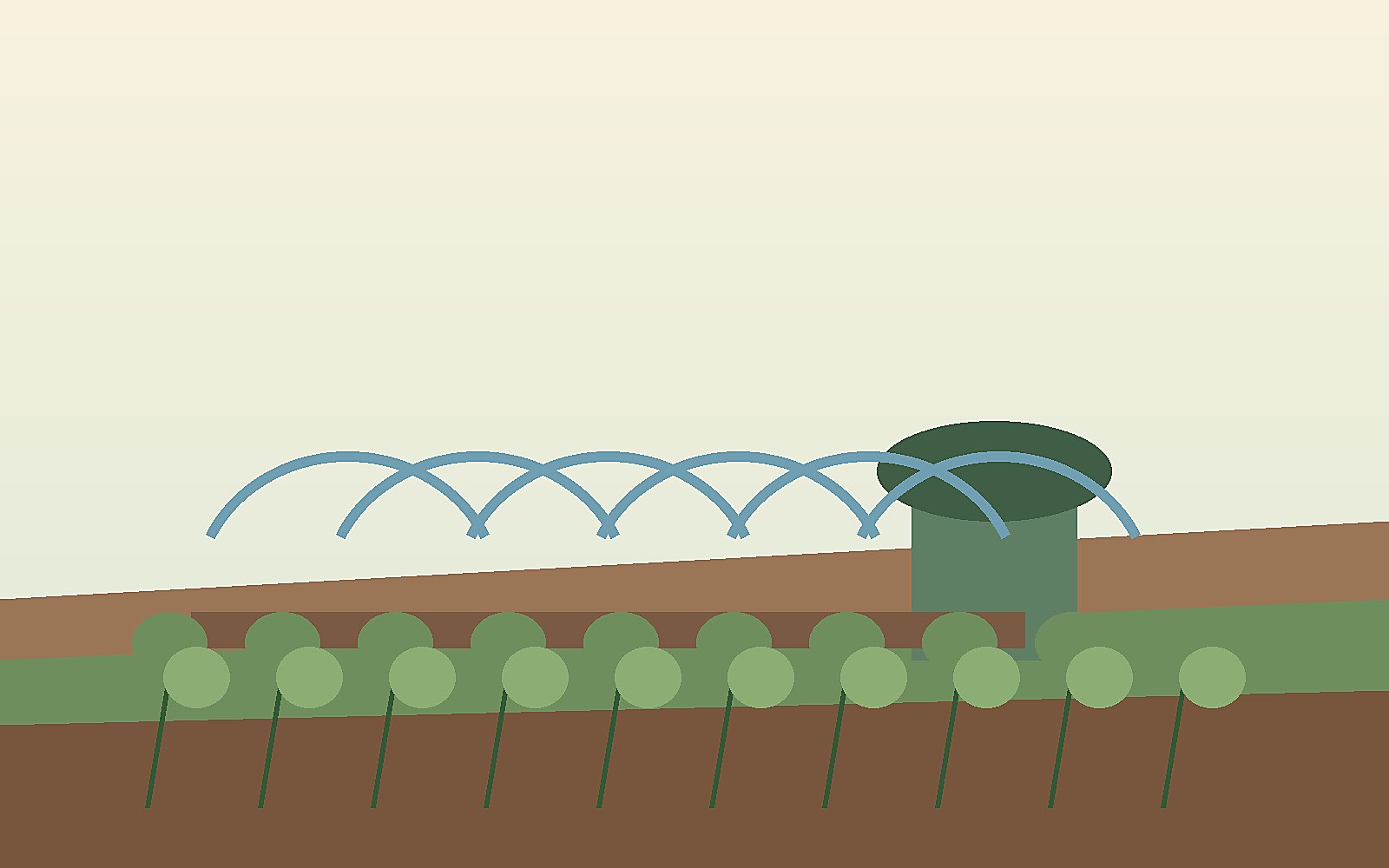
Featured image generated for Renewable Gardening as a custom editorial illustration for this article.