
Blog
Browse practical articles on composting, sustainable gardening, native plants, water-wise care, and lower-waste habits around the home landscape.
-
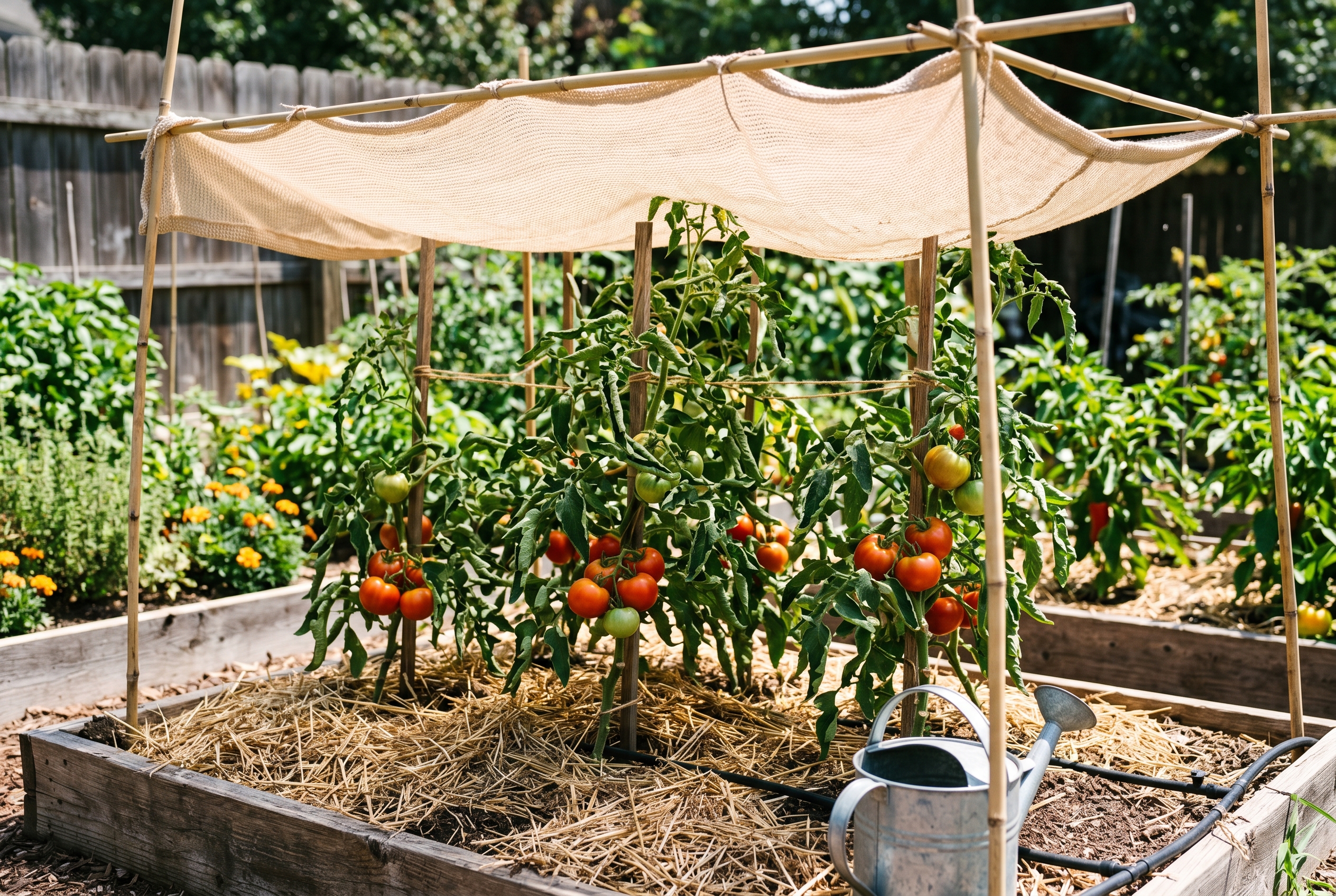
How to Keep Tomato Plants Productive During Heat Waves
Help tomato plants through heat waves with steady watering, mulch, shade cloth, blossom-drop expectations, and low-stress pruning habits.
-
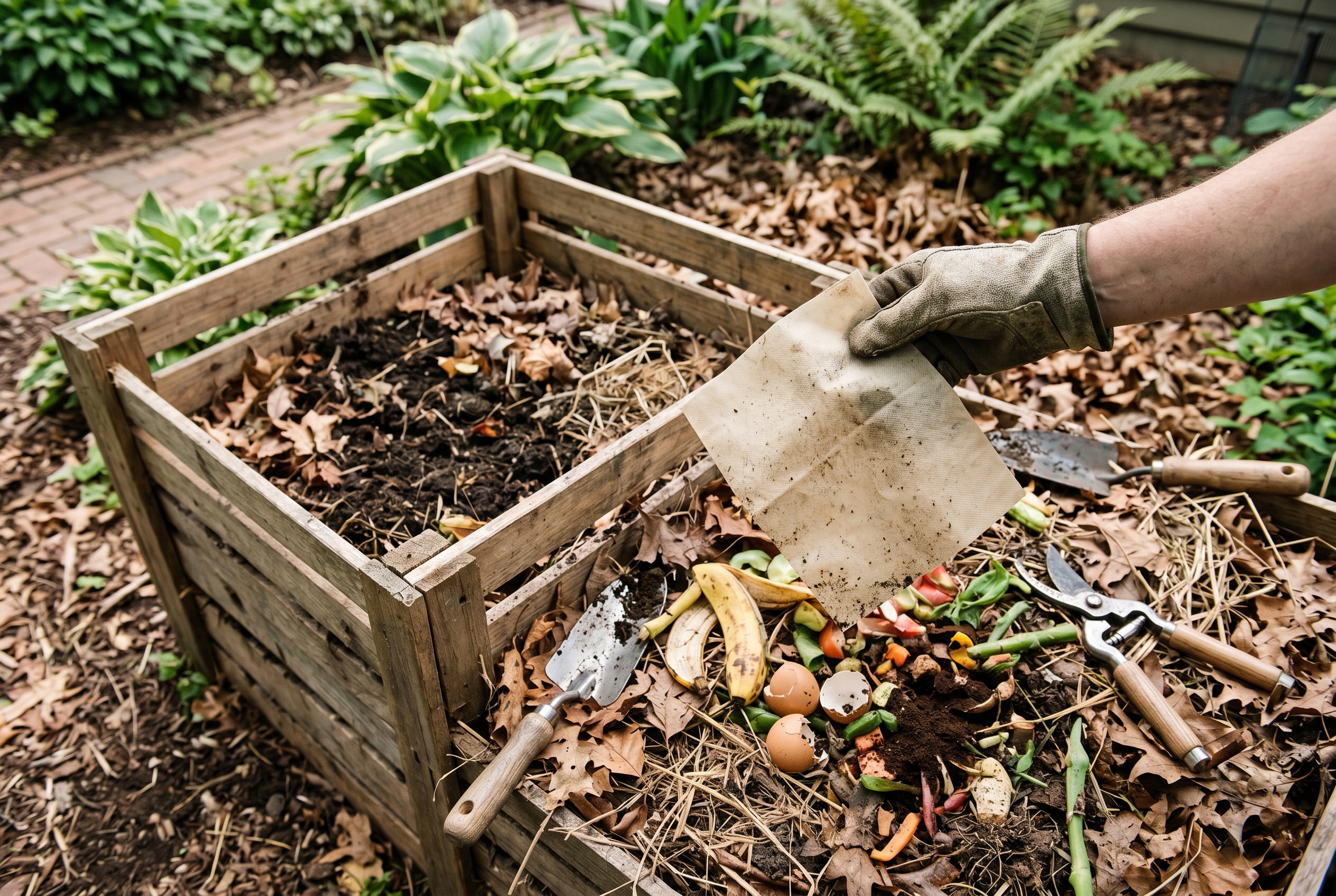
Do Compostable Trash Bags Break Down in Backyard Compost?
Learn whether compostable trash bags break down in backyard compost, why certification matters, and when municipal composting is a better fit.
-
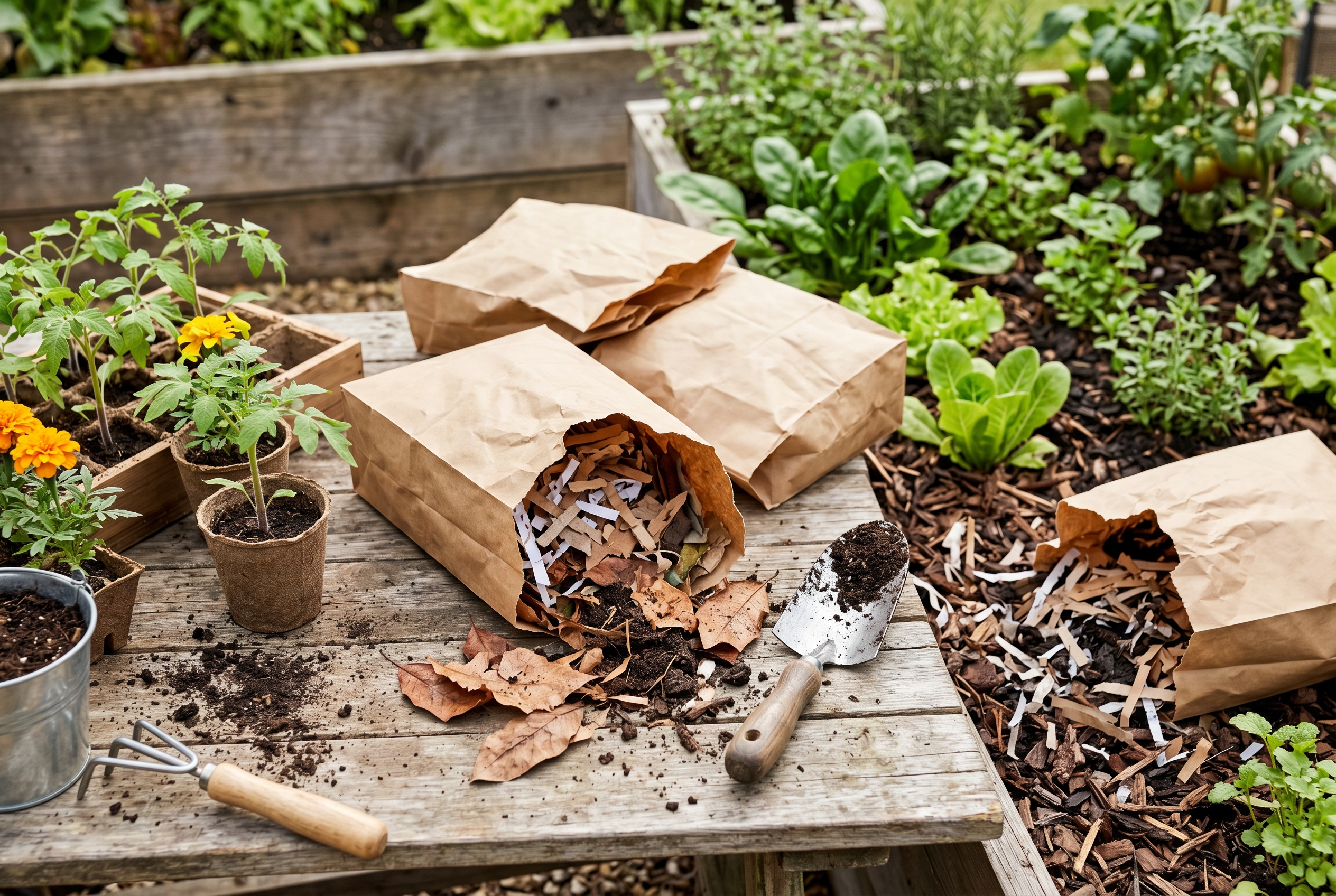
How to Reuse Paper Bags in the Garden
Reuse paper bags in the garden as weed barriers, compost browns, harvest bags, seed-starting helpers, and low-waste cleanup material.
-
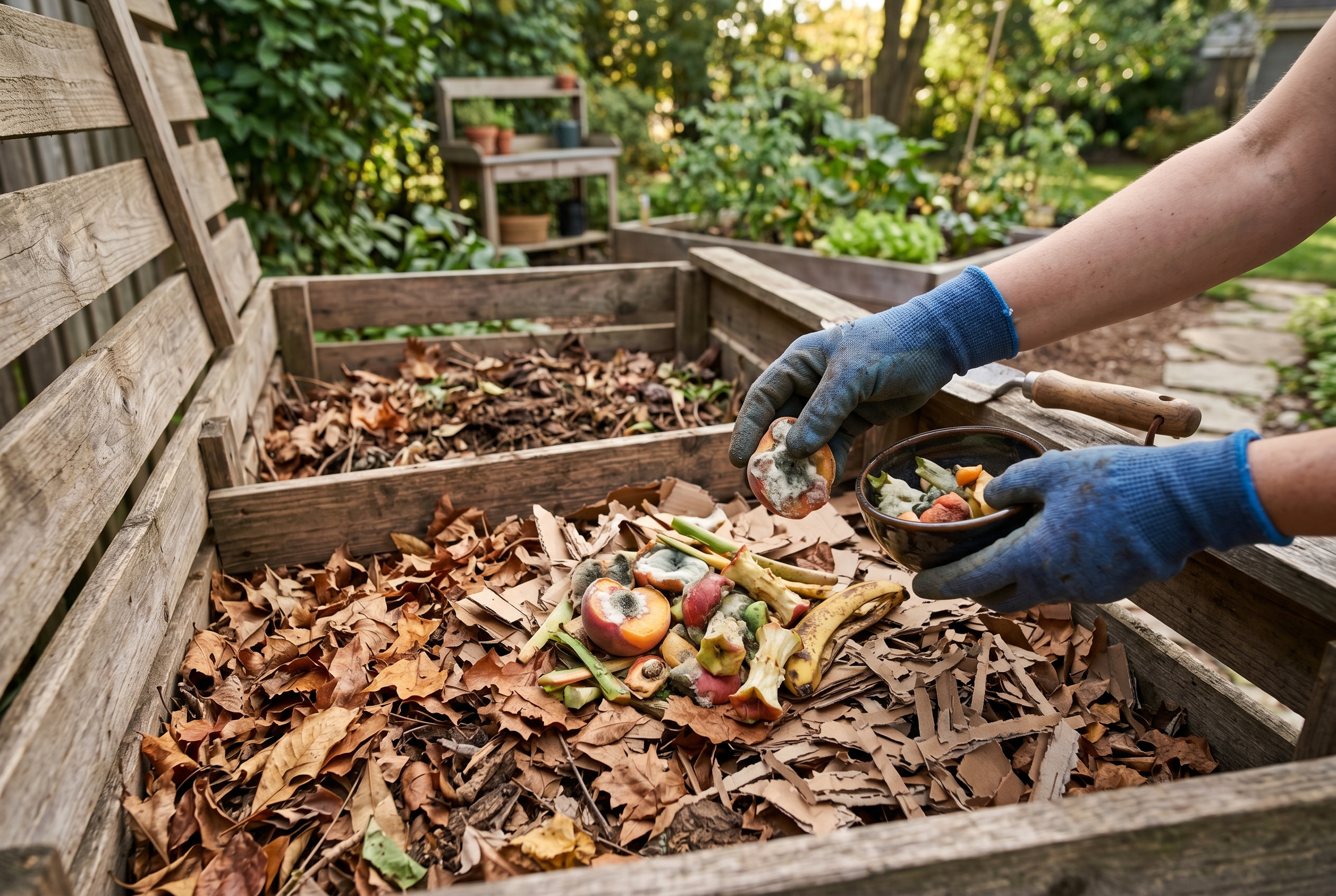
Can You Compost Moldy Food Safely?
Find out when moldy food can go in compost, when to avoid it, and how to bury, balance, and manage spoiled scraps safely.
-
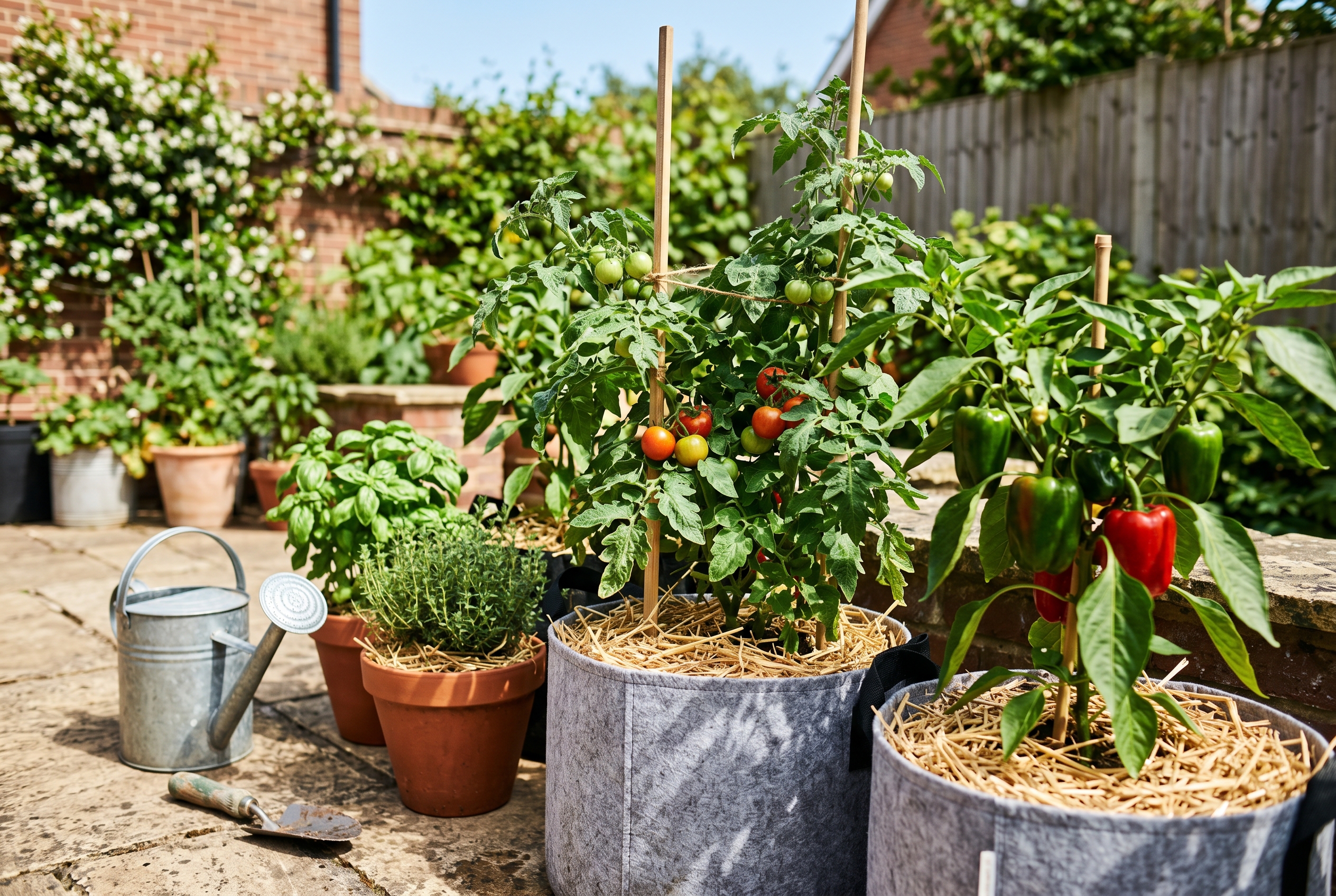
Best Mulch for Container Vegetables in Hot Weather
Choose the best mulch for container vegetables in hot weather, including straw, shredded leaves, compost, bark, and when to skip mulch.
-
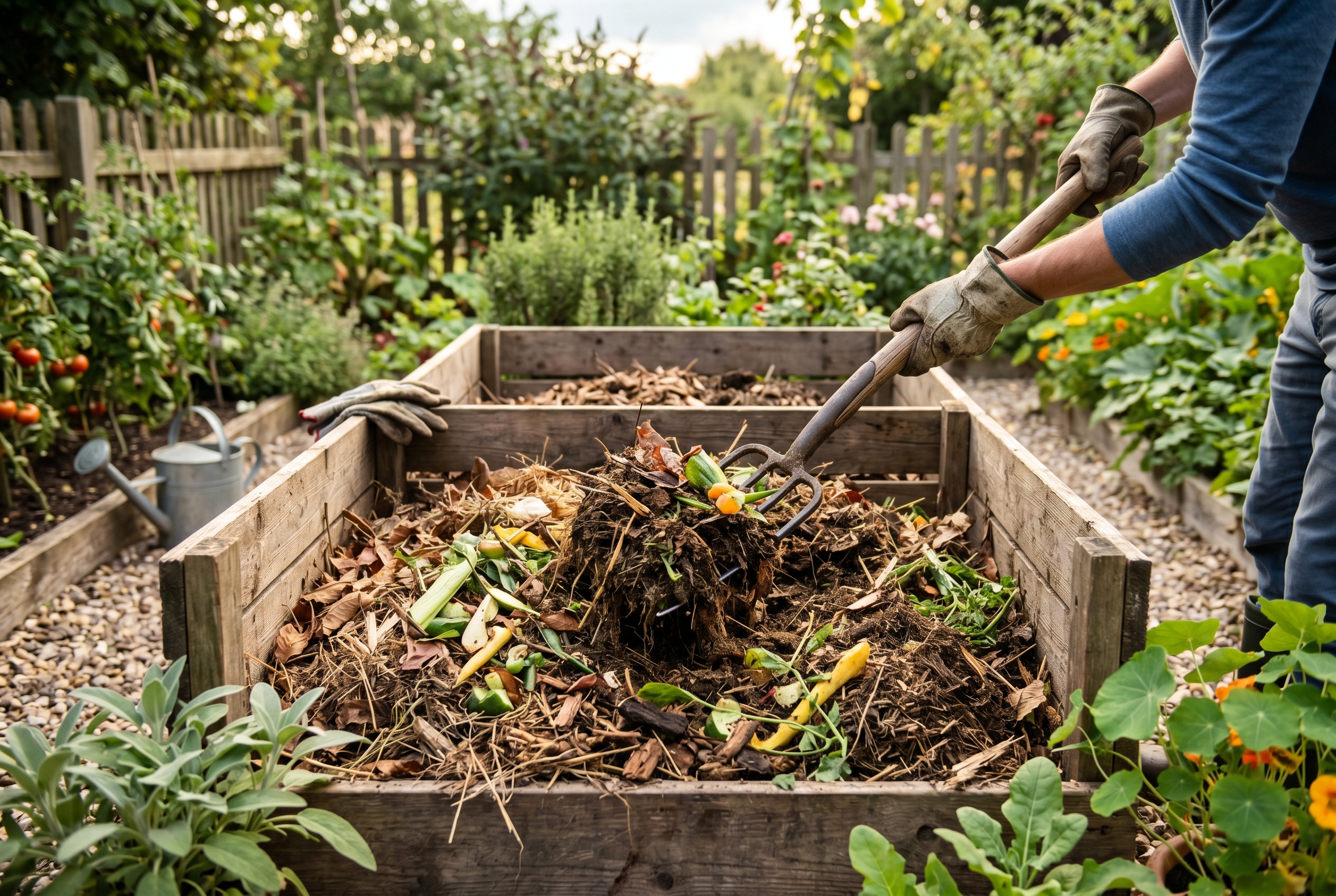
How Often Should You Turn Compost in Summer?
Learn how often to turn compost in summer, when to leave it alone, and how moisture, browns, heat, and kitchen scraps change the schedule.
-
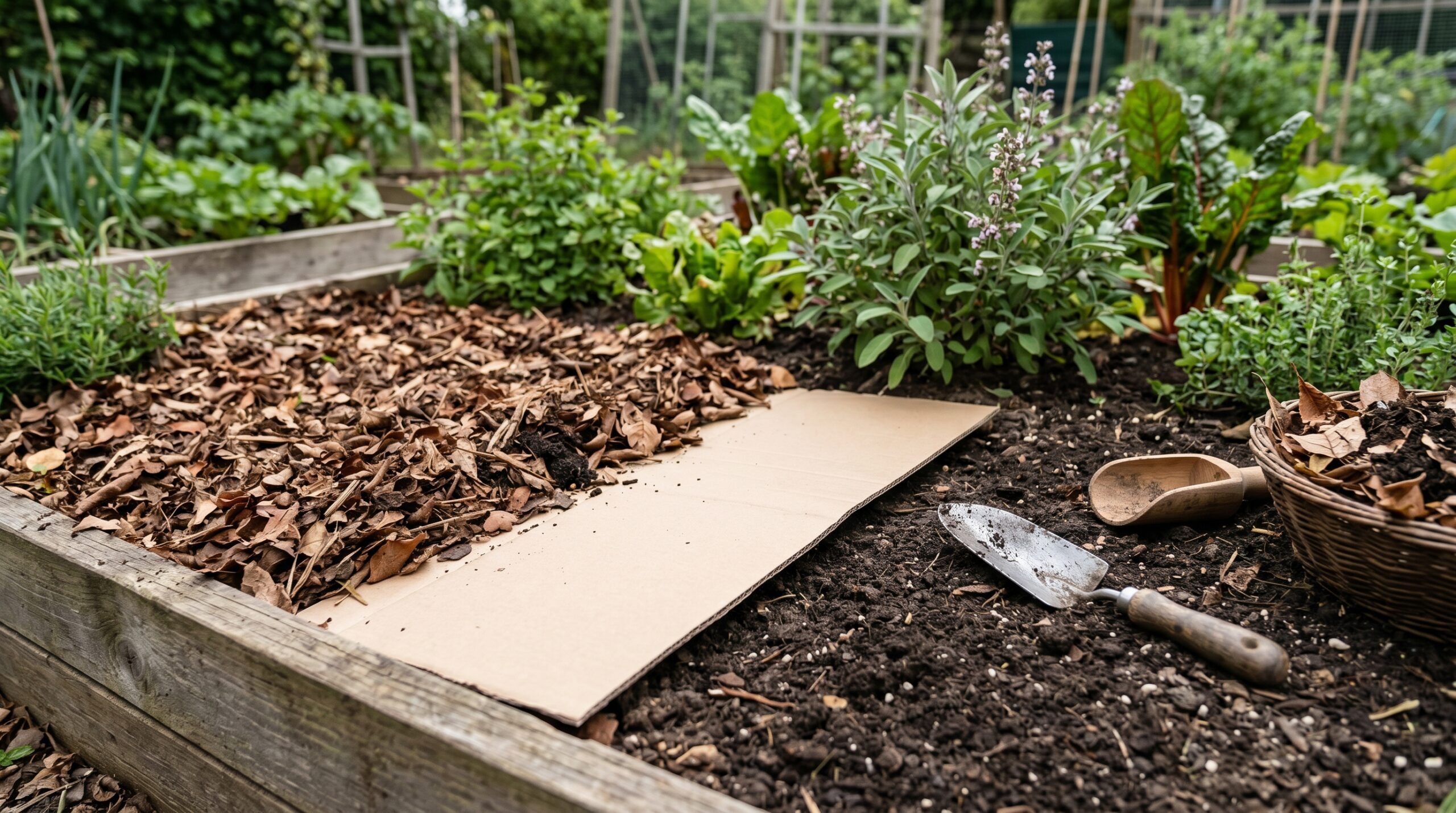
How to Reuse Cardboard in the Garden Without Creating Problems
Reuse cardboard in the garden safely by removing tape, avoiding glossy coatings, using thin layers, wetting it well, and preventing drainage or pest problems.
-
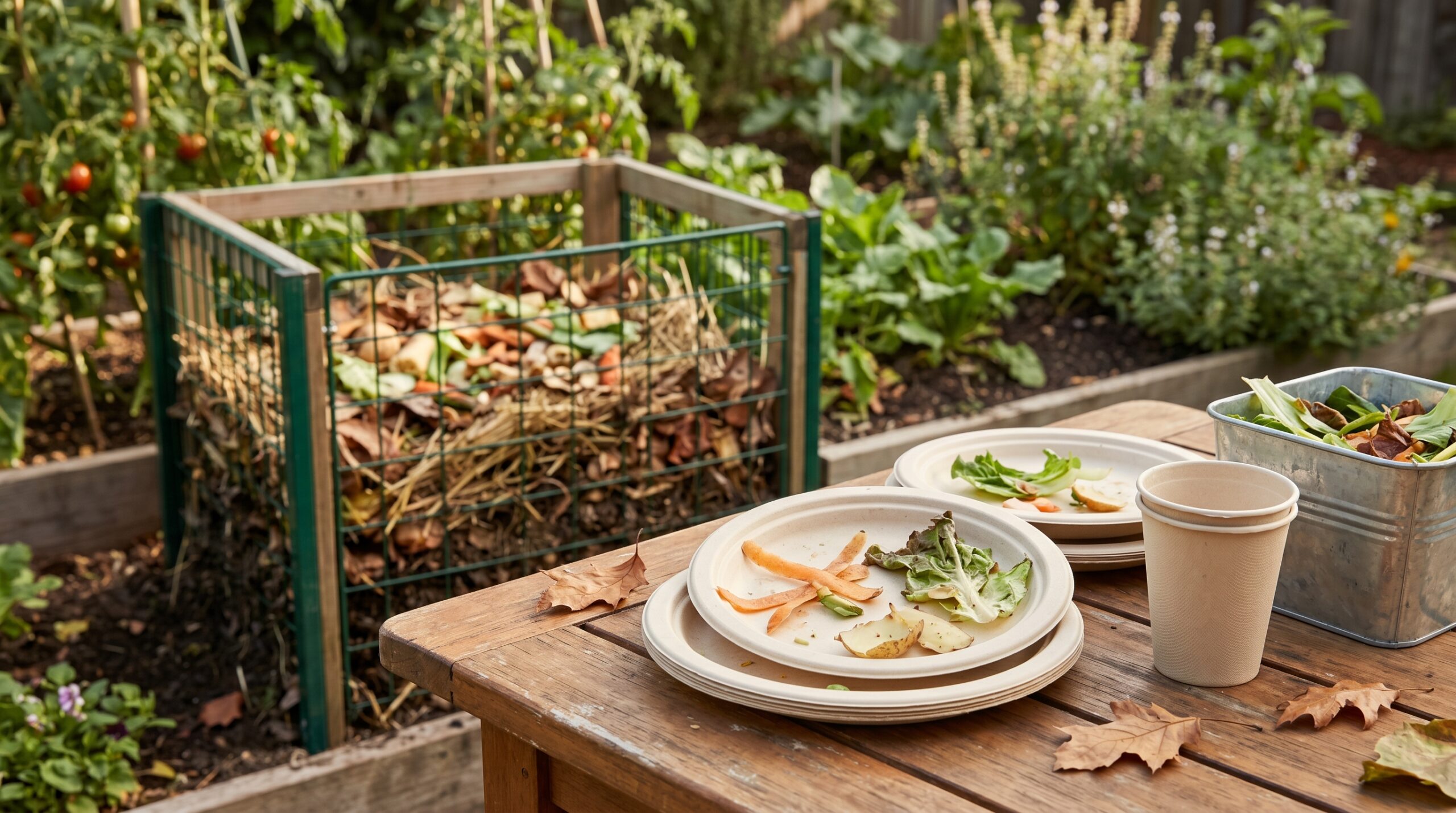
Are Compostable Plates and Cups Actually Compostable at Home?
Learn whether compostable plates and cups break down in home compost, why many need industrial composting, and what to do after parties or events.
-
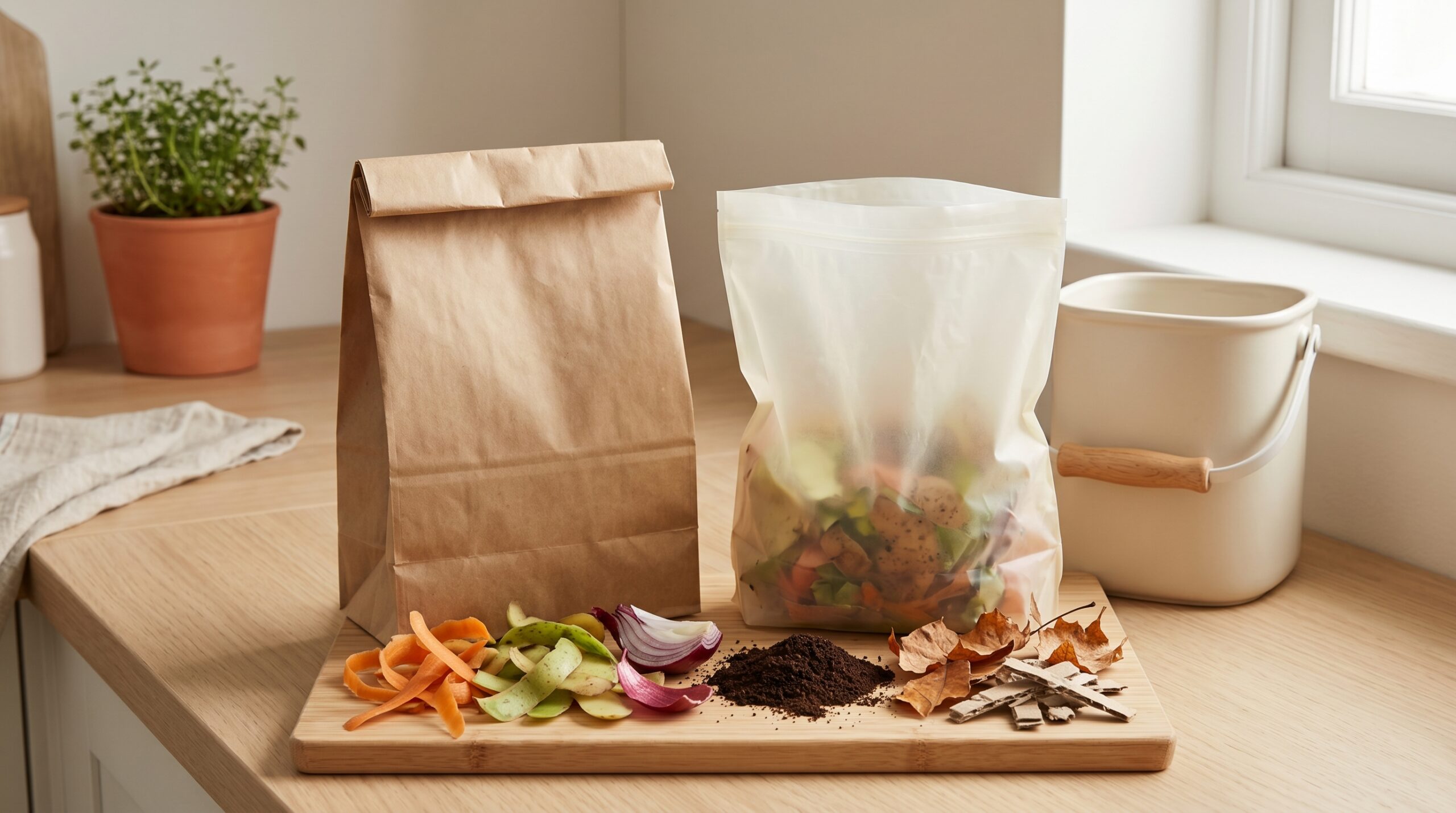
Compostable Bags vs Paper Bags for Food Scraps: Which Works Better?
Compare compostable bags and paper bags for food scraps, including odor, leaks, cost, home compost limits, municipal rules, and practical kitchen use.
-
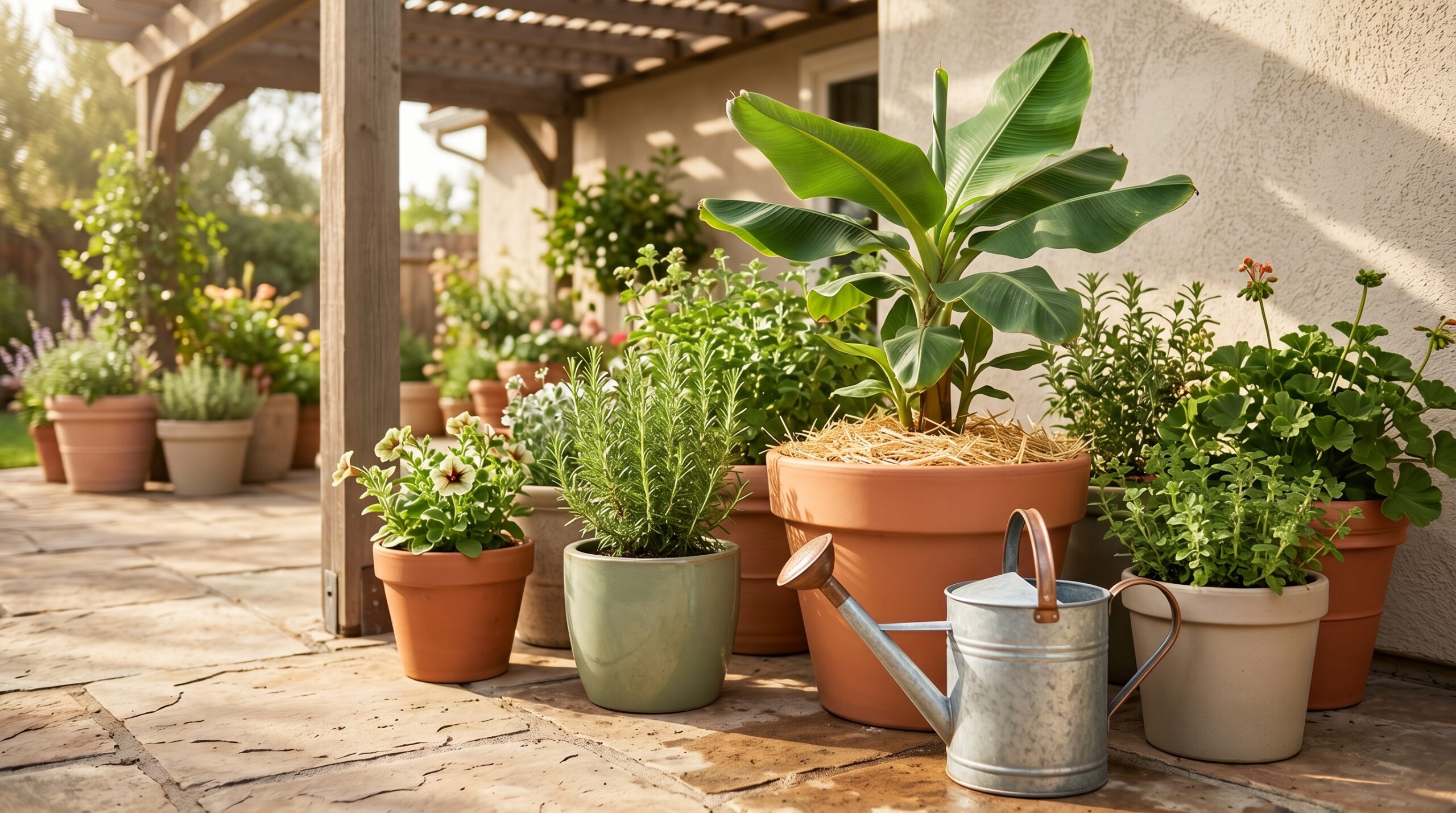
How to Water Container Plants During Hot Weather
Water container plants during hot weather with deeper soaking, morning timing, mulch, shade, saucers used carefully, and better potting mix habits.