Blog
Browse practical articles on composting, sustainable gardening, native plants, water-wise care, and lower-waste habits around the home landscape.
-
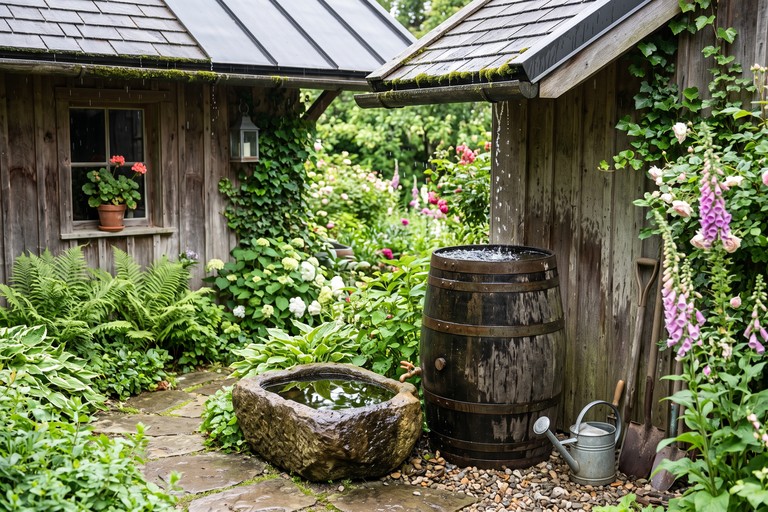
How to Collect Rainwater Without Gutters
You can collect or redirect rainwater without gutters by using roof drip lines, rain chains, barrels under overhangs, gravel basins, and planted runoff areas safely.
-
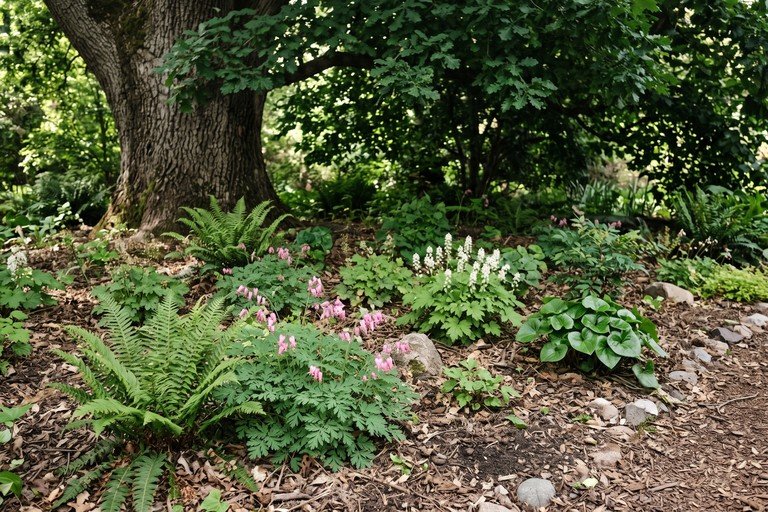
Native Plants for Dry Shade: Practical Choices Under Trees
Dry shade is difficult because roots and canopy compete for water. Use tough native groundcovers, sedges, and woodland-edge plants with realistic establishment care.
-
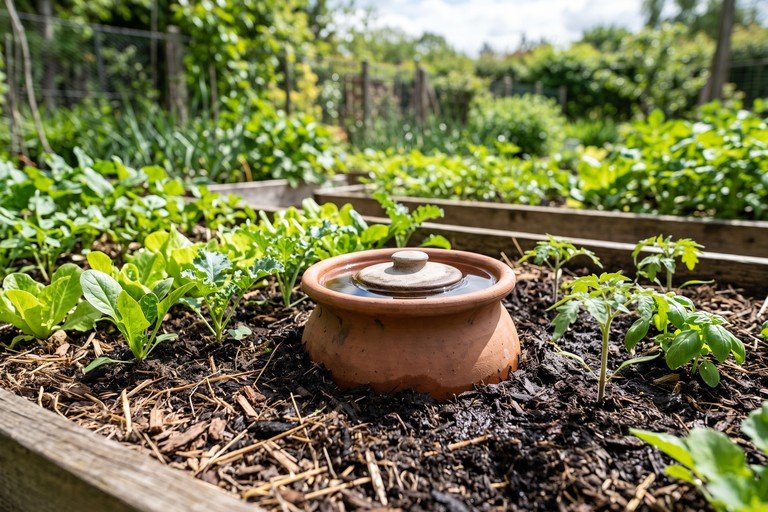
DIY Olla Irrigation: Simple Terracotta Watering Systems
Learn how to make and use DIY olla irrigation pots. Discover how simple buried clay pots save water, reduce evaporation, and keep garden plants hydrated.
-
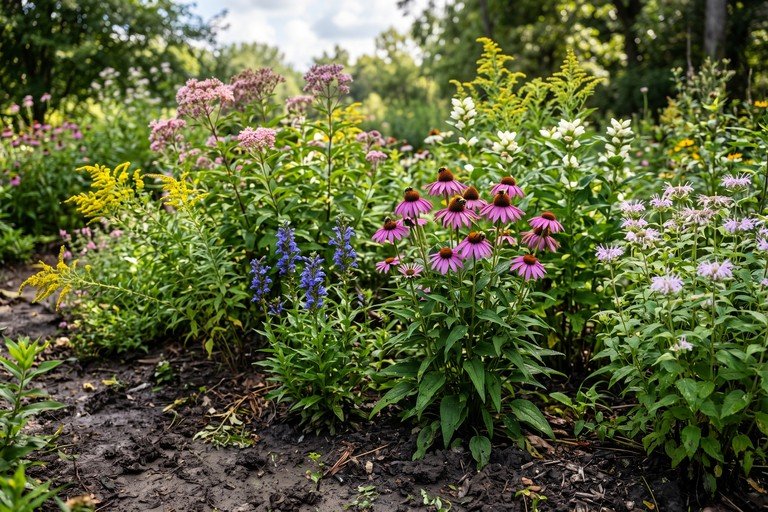
Best Native Plants for Clay Soil in Home Gardens
Choose native plants for clay soil by matching moisture, drainage, and root strength instead of fighting heavy soil with constant amendments.
-
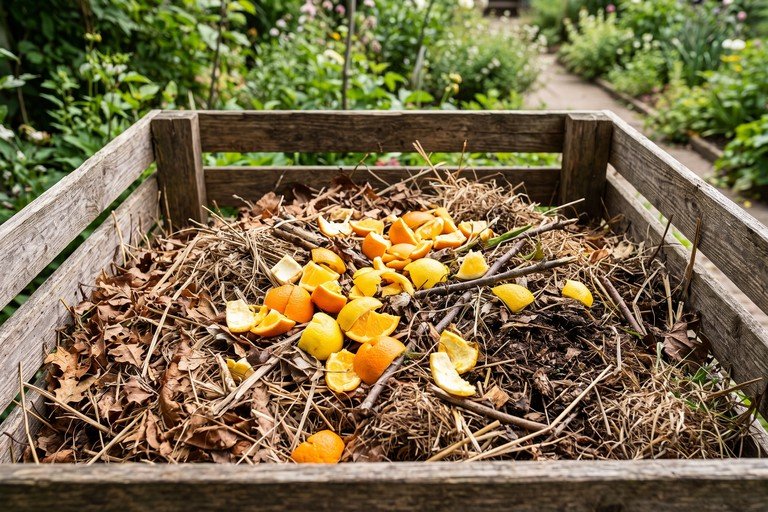
Can You Compost Citrus Peels? Preparation and Balance Tips
Find out how to compost citrus peels safely. Learn how to manage acidity, prevent mold, and keep your compost bin smelling fresh with proper citrus prep.
-
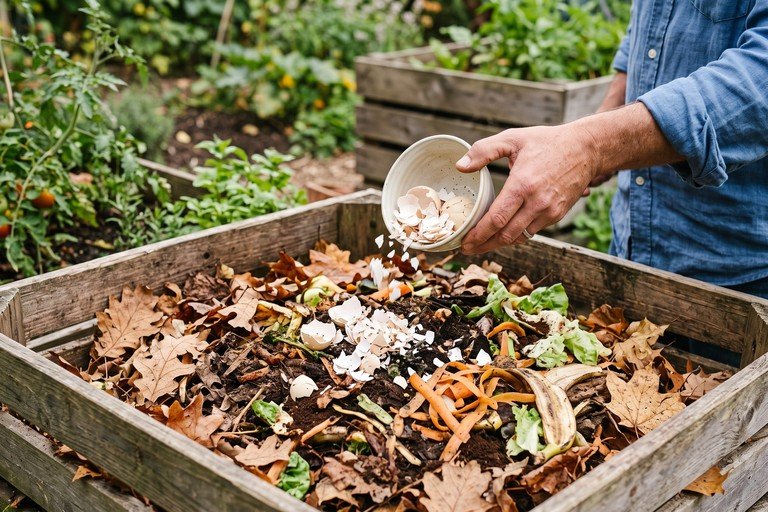
Can You Compost Eggshells? How to Prepare Them Safely
Learn how to compost eggshells safely in your home garden. Understand preparation steps like crushing, balancing greens and browns, and debunking common composting myths.
-
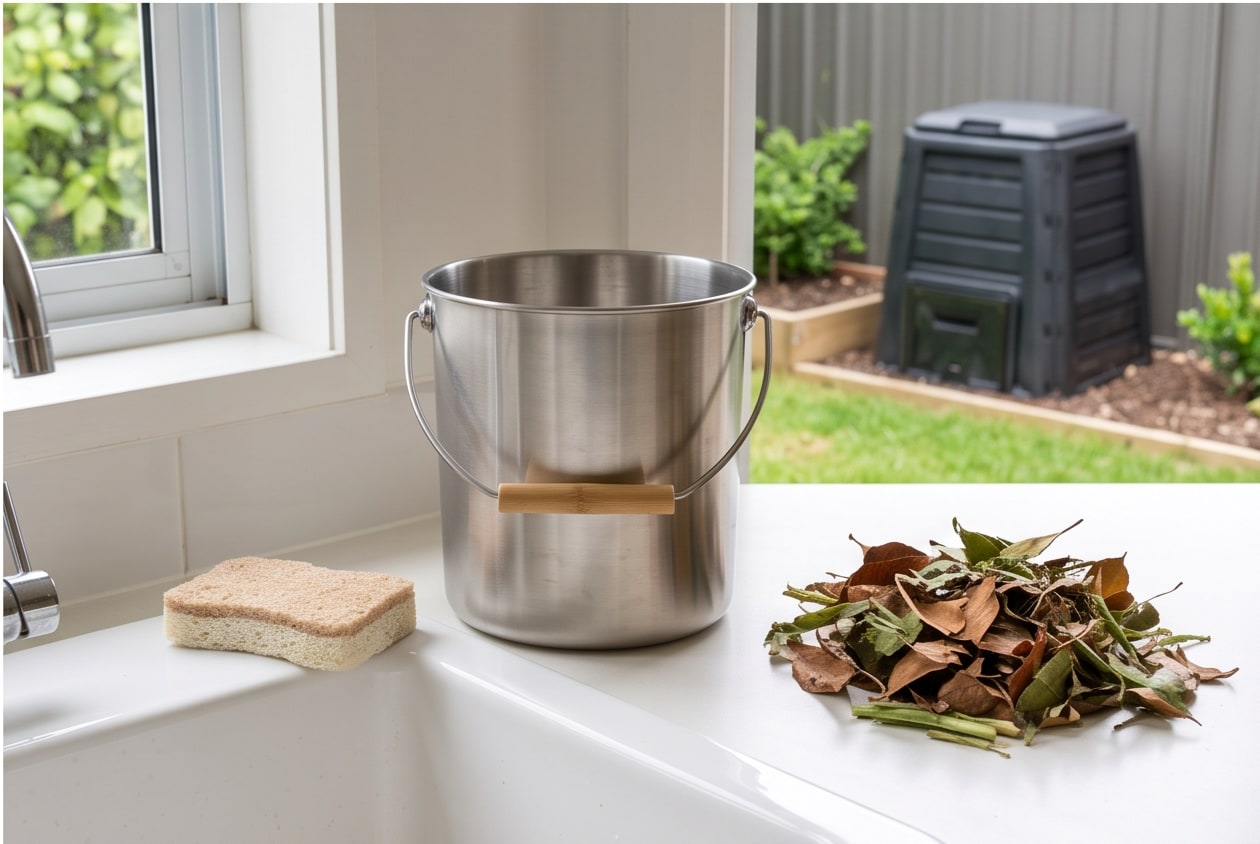
Compostable Sponges: What They Are and How to Dispose of Them
Compostable sponges can reduce plastic waste, but disposal depends on the material, additives, and whether the sponge is accepted in home or municipal compost.
-
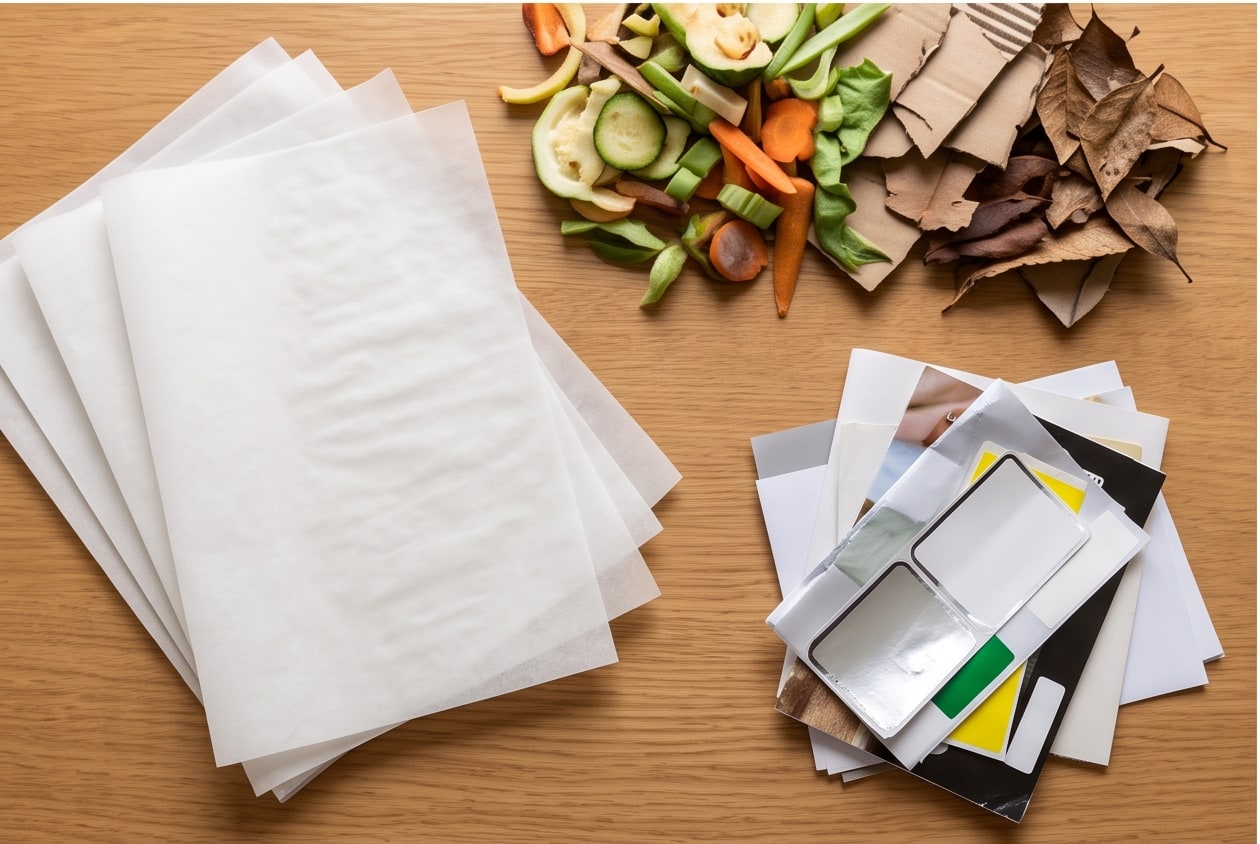
Can You Compost Parchment Paper? Waxed, Unbleached, and Coated Paper Rules
Some parchment paper can be composted, but silicone-coated, waxed, bleached, and greasy sheets need more caution in home compost.
-
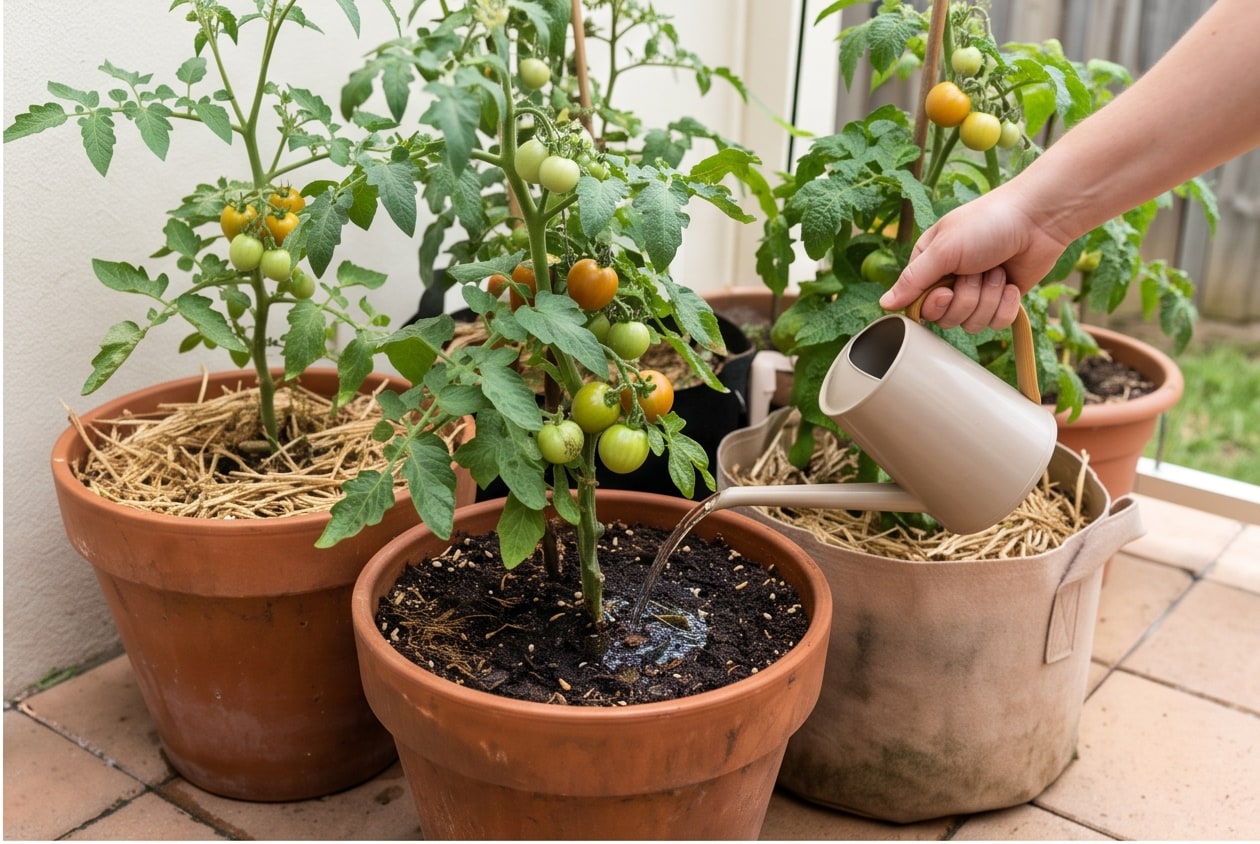
How to Water Tomatoes in Pots Without Stressing the Plants
Water tomatoes in pots more consistently with slow deep watering, mulch, drainage checks, and heat-aware routines that reduce plant stress.
-
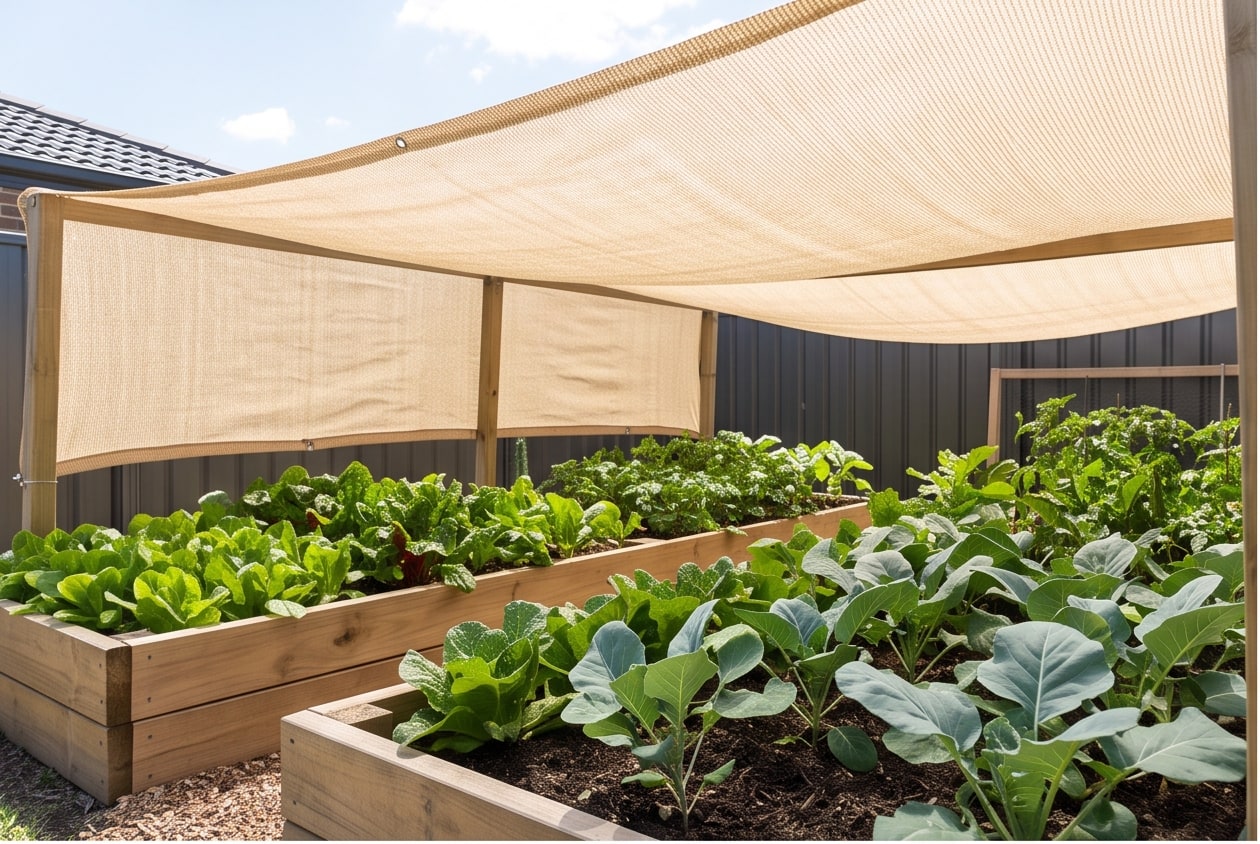
Shade Cloth for Vegetable Gardens: When and How to Use It
Use shade cloth in vegetable gardens during heat waves without blocking too much light, trapping heat, or stressing plants further.