No-dig gardening sounds like a shortcut, but the real point is restraint. Instead of turning soil over every season, you build a bed from the top down with compost, mulch, roots, and steady organic matter. For many home gardeners, that means fewer weeds, better moisture retention, and less disruption to the soil life that helps plants grow.
A no-dig bed is not a magic formula. It still needs a sensible site, enough compost to start, regular mulch, and patient maintenance. The advantage is that the work is directed toward protecting soil instead of repeatedly breaking it apart.
Key Takeaways
- No-dig beds are built from the top down with compost, mulch, and living roots instead of routine tilling.
- Start small so you can source enough compost and mulch without overwhelming the project.
- Cardboard can help suppress lawn or weeds when it is plain, overlapped, wetted, and covered well.
- Avoid walking on the bed; use paths so the growing area stays loose and biologically active.
- No-dig beds still need weed checks, compost top-ups, and careful watering during establishment.
What Does No-Dig Gardening Mean?
No-dig gardening means you avoid turning the entire bed with a tiller, shovel, or fork unless there is a specific problem to solve. You still plant, harvest, pull weeds, add compost, and move mulch. What changes is the default response to a tired bed. Instead of flipping it over, you feed it from above.
That matters because soil is more than mineral particles. It contains pore spaces, roots, fungi, insects, microbes, and organic matter in different stages of breakdown. Repeated tilling can temporarily loosen soil, but it can also expose weed seeds, speed organic matter loss, and damage the structure you are trying to improve.
A no-dig bed is especially useful for beginners because it gives you a simple maintenance rule: disturb less, cover more, and keep organic matter moving into the system.
Choose a Manageable First Bed
The easiest no-dig mistake is starting too large. A giant new bed needs a lot of compost and mulch at once. If you cannot cover the soil well, weeds and drying become frustrating quickly.
Start with one bed you can reach across from the sides, or one narrow border with a clear path. You should be able to plant and weed without stepping into the growing area. If the bed is wider than your reach, add stepping stones or split it into two beds with a path.
Pay attention to water access. A new no-dig bed may hold moisture better over time, but young seedlings and transplants still need consistent watering. If the hose barely reaches, the bed will be harder to keep alive during dry spells.
How to Start Over Lawn or Weeds
For a new bed over lawn, mow the grass short first. Remove plastic debris, landscape fabric, and woody weeds. Then cover the area with plain cardboard or several layers of heavy paper, overlapping seams so grass does not find open strips. Wet the barrier so it settles, then add compost and mulch on top.
Use cardboard as a temporary light-blocking layer, not as a permanent construction material. Remove tape and glossy coatings. Keep the cardboard away from the crowns of plants. If you are planting immediately, cut openings only where plants will go and plant into the soil beneath.
For annual vegetable beds, many gardeners use a compost layer as the planting surface. For ornamental beds, compost plus wood chips, shredded leaves, or another organic mulch can work well. The exact mix depends on what you are growing, but the principle is the same: suppress existing growth, cover bare soil, and let organic materials break down.
Build the Bed in Layers
A simple beginner no-dig bed can be built in four parts:
- A mowed or cleared base
- A light-blocking paper or cardboard layer if starting over turf
- A compost layer for planting and soil improvement
- An organic mulch layer to protect the surface
Do not bury plant crowns under mulch. Keep a little breathing room around stems. Mulch should protect the soil, not smother the plant.
If you already have an existing garden bed, you may not need cardboard. Pull large weeds, cut small annual weeds at the surface, add compost, and mulch. The less you bring buried weed seeds to the surface, the easier the bed becomes to manage.
What to Plant in a No-Dig Bed
No-dig beds can support vegetables, herbs, flowers, shrubs, and native perennials. The best plant choice depends on the site. Vegetables may need richer compost and more frequent watering. Native perennials may need spacing that respects mature size. Herbs often prefer good drainage and may not want heavy, wet compost around their crowns.
For a first bed, choose plants that match the existing light and moisture instead of trying to force the bed to behave like a different site. A sunny, dry strip should not be planted like a damp shade border. Good plant-site fit reduces the urge to over-correct later.
How No-Dig Fits Compost and Mulch
No-dig gardening makes compost and mulch work together. Compost adds organic matter and nutrients near the surface. Mulch buffers temperature, slows evaporation, and reduces weed pressure. Over time, worms and other soil organisms move some of that material downward.
If you are unsure where compost ends and mulch begins, read Compost vs Mulch: What Each One Does in the Garden. In a no-dig bed, compost is usually the soil-building amendment, while mulch is the protective cover.
Common No-Dig Problems
If weeds keep coming through, look for gaps in the cardboard, thin mulch, or creeping grass at the edges. Edges are often the weak point. Cut a clean border and patrol it often.
If plants look hungry, the bed may need better compost or more time. No-dig is not the same as no-feeding. Top-dress with finished compost when needed and avoid burying fresh, unfinished material against plant stems.
If the bed stays soggy, reduce heavy mulch temporarily and improve plant choice. No method can make a poorly matched plant happy in the wrong moisture conditions.
FAQ
Can I start a no-dig bed without cardboard?
Yes. If you are improving an existing bed rather than covering lawn, you can pull major weeds, add compost, and mulch the surface.
Do no-dig beds work for vegetables?
Yes, as long as the bed gets enough sun, compost, water, and spacing. Vegetables still need active care even when the soil is not tilled.
Will cardboard hurt the soil?
Plain cardboard used as a temporary sheet-mulch layer can be useful. Remove tape, labels, glossy coatings, and plastic pieces before using it.
How often should I add compost?
Most home beds benefit from a light top-dressing when starting a season or replanting. Use plant response and soil condition as your guide.
Is no-dig the same as never digging?
No. You still dig planting holes and solve specific problems. The difference is that you stop turning the whole bed as routine maintenance.
Related Reading
For more soil-building context, read Best Ways to Improve Garden Soil Naturally, How to Use Compost in Your Garden Without Overdoing It, and Best Mulch Options for Different Garden Areas.
Conclusion
A no-dig bed is a practical way to garden with the soil instead of constantly resetting it. Start small, cover the surface, add compost thoughtfully, and protect the bed from foot traffic.
Over time, the bed should become easier to manage because the soil stays covered, roots keep working, and organic matter is added from the top down.
External References
- Oregon State University Extension guidance on sheet mulching and cardboard-based bed preparation
- University of Minnesota Extension soil health and compost guidance
- USDA Natural Resources Conservation Service soil health principles
Explore this topic
For more practical guidance around gardening, visit the Gardening hub.
- How to Keep Weeds Down Without Reaching for Herbicide
- Shade-Friendly Native Plant Ideas for Low-Maintenance Yards
- How to Water New Plants Until They Are Established
Image Credits
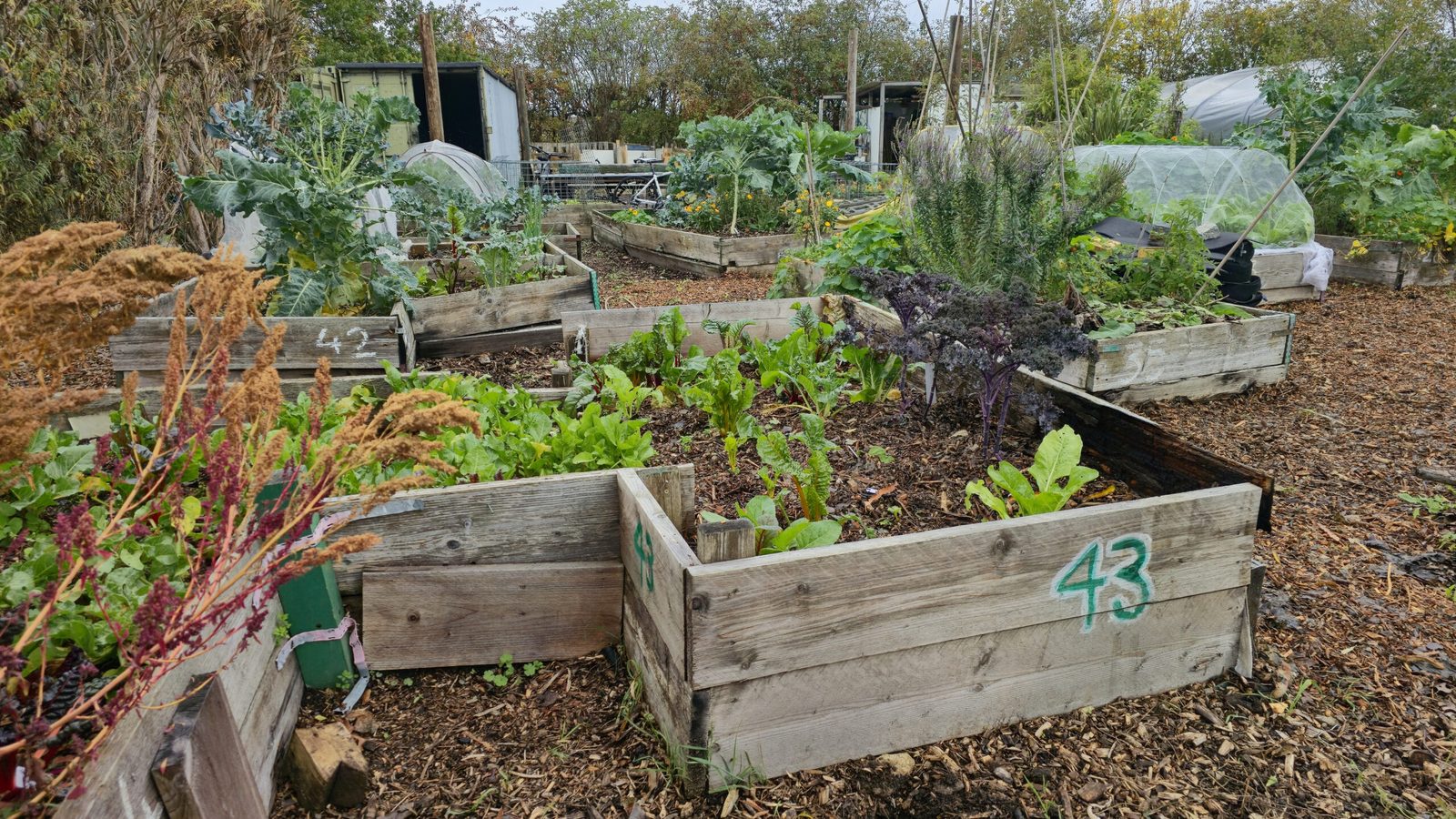
- Featured image: Raised beds and mulched paths show how garden soil can be protected instead of repeatedly disturbed. Photo by Acabashi via Wikimedia Commons, licensed CC BY-SA 4.0.
- RG-023 Featured – No-Dig Garden Beds for Beginners: Build Better Soil Without Tilling optimized: Raised beds and mulched paths show how garden soil can be protected instead of repeatedly disturbed. Photo by Acabashi via Wikimedia Commons, licensed CC BY-SA 4.0.