
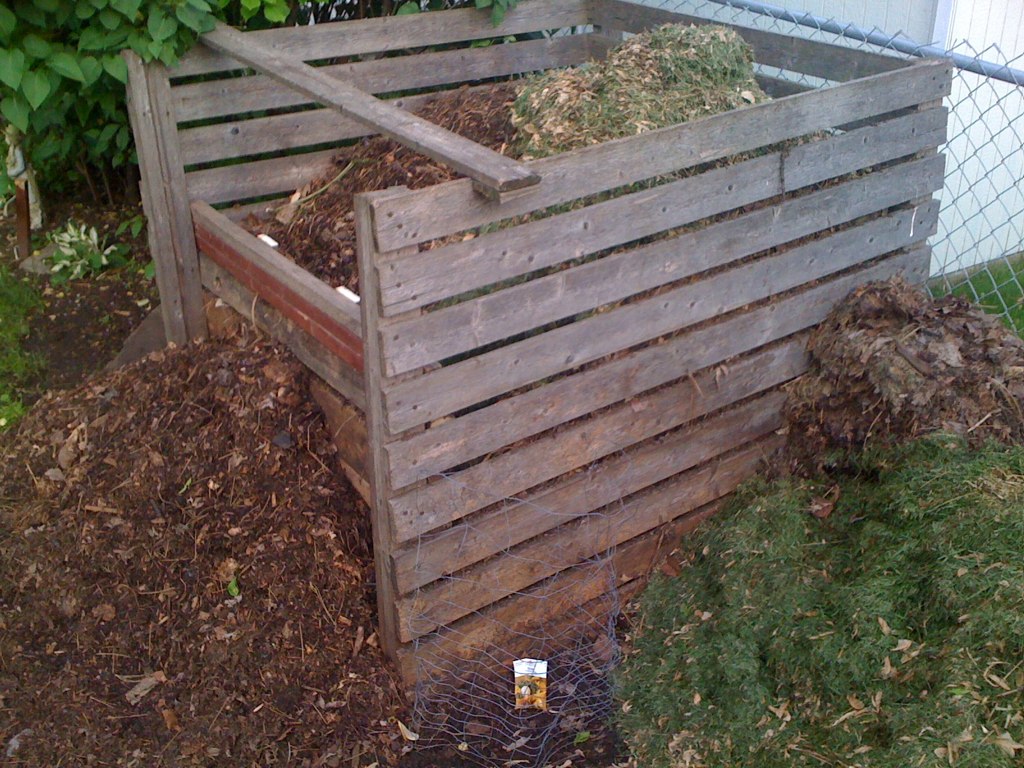
A compost pile does not need to be complicated, but it does need to fit your yard and habits. In a small backyard, the best bin is usually the one you can reach easily, keep tidy, and manage without turning composting into another unfinished project.
Key Takeaways
- Small yards usually do best with contained compost systems that are easy to access.
- Enclosed bins help control mess, while wire and wooden bins can be cheaper and flexible.
- Tumblers are tidy but have limited capacity and still need balanced materials.
- A two-bin setup lets one batch finish while fresh material goes into another.
- Place compost where it is convenient, level, and away from drainage problem areas.
Start With Your Materials
Kitchen scraps, leaves, garden cuttings, and small yard waste all compost differently. A household with lots of food scraps may need a secure lidded bin, while a leaf-heavy yard may need a wire leaf cage.
Avoid beginner problem materials such as pet waste, large branches, diseased plants, and invasive weeds with seeds or spreading roots.
Enclosed Plastic Bins
An enclosed plastic bin is compact and tidy. It usually has a lid and may have a lower access door for finished compost.
The tradeoff is access. Some are hard to turn, and they can become wet if food scraps are added without enough dry browns.
Wire Rings and Wooden Bins
Wire rings are inexpensive and excellent for leaves and plant trimmings. Wooden bins can look better and offer easier front access if built with removable boards.
Open systems need more care with food scraps. Use them mainly for yard materials unless pest protection is handled well.
Compost Tumblers
Tumblers are enclosed and easy to rotate, which appeals to small-yard composters. They are useful for modest amounts of material.
Capacity is the limitation. Once full, the batch needs time, and new scraps need somewhere else to go. Tumblers also need dry browns to avoid becoming wet and heavy.
Two-Bin Setups
Two bins solve the common problem of constantly adding fresh scraps to almost-finished compost. One side can rest while the other remains active.
This can mean two plastic bins, two wooden bays, or a leaf bin paired with a lidded food-scrap bin.
Common Mistakes to Avoid
Do not place a bin so far away that scraps never make it outside.
Do not add endless wet greens without dry browns. Odor usually means the balance or airflow is off.
Do not build a bin larger than you can turn, harvest, or maintain.
FAQ
What is the best compost bin for a small backyard?
For many households, an enclosed bin or compact two-bin setup is the easiest balance of tidiness and capacity.
Do compost bins smell?
A well-managed bin should not smell strongly. Odor usually points to too much wet green material or poor airflow.
Can I compost kitchen scraps in an open wire bin?
Use caution. Open bins are better for leaves and yard trimmings unless food scraps are protected from pests.
Is a compost tumbler worth it?
It can be useful for small amounts, but capacity is limited and the mix still matters.
Do I need two bins?
Not always, but two bins make it much easier to let one batch finish.
Related Reading
For fundamentals, read How to Start Composting at Home and Beginner’s Guide to Composting Kitchen Scraps for the Garden.
Conclusion
The best compost bin setup is the one that fits your space, materials, and habits. Start with a contained, accessible system, keep dry browns nearby, manage moisture, and give finished compost time to rest.
External References
- EPA composting at home guidance
- University extension backyard composting setup guidance
- USDA/NRCS soil organic matter guidance
Explore this topic
For more practical guidance around composting, visit the Composting hub.
- How to Use Compost in Your Garden Without Overdoing It
- Beginner’s Guide to Composting Kitchen Scraps for the Garden
- How to Start Composting at Home: A Beginner-Friendly Guide
Image Credits
- Featured image: A simple compost bin can keep materials contained while still allowing air and access. Photo by Joe Hoover via Wikimedia Commons, licensed CC BY 4.0.