Sustainable Garden Habits That Save Time and Resources
Introduction
Many gardeners start with a vision of a lush, productive paradise, only to find themselves overwhelmed by a never-ending cycle of weeding, watering, and waste disposal. It’s easy to assume that making your garden “sustainable” or “eco-friendly” just adds more tasks to an already long list.
In reality, the opposite is true. Sustainable gardening isn’t about doing more work for the environment; it’s about setting up systems that allow nature to do the heavy lifting for you. By adopting a few intentional habits, you can reduce your environmental footprint while reclaiming hours of your weekend.
This guide covers the core habits that turn a high-maintenance yard into a self-sustaining, resource-efficient ecosystem.
Key Takeaways
- Focus on systems, not symptoms: Sustainable habits prevent problems (like weeds or dry soil) before they start.
- Work with the seasons: Aligning garden tasks with natural cycles reduces the need for external inputs.
- Resource recovery is key: Treating “waste” as a resource (mulch, compost) saves money and disposal effort.
- Observation is a tool: Spending five minutes observing your garden can save hours of corrective work later.
Why Sustainable Habits Save You Time
Traditional gardening often relies on “interventions”—applying chemical fertilizers, intensive tilling, or constant overhead watering. These methods treat the garden as a patient that needs constant life support.
Sustainable habits shift the focus to soil health and ecological balance. When your soil is healthy and your plants are well-matched to their environment, they become more resilient. This means less time spent fighting pests, managing diseases, or trying to keep struggling plants alive during a dry spell.
The “Lazy” Gardener’s Secret: Mulching and Soil Health
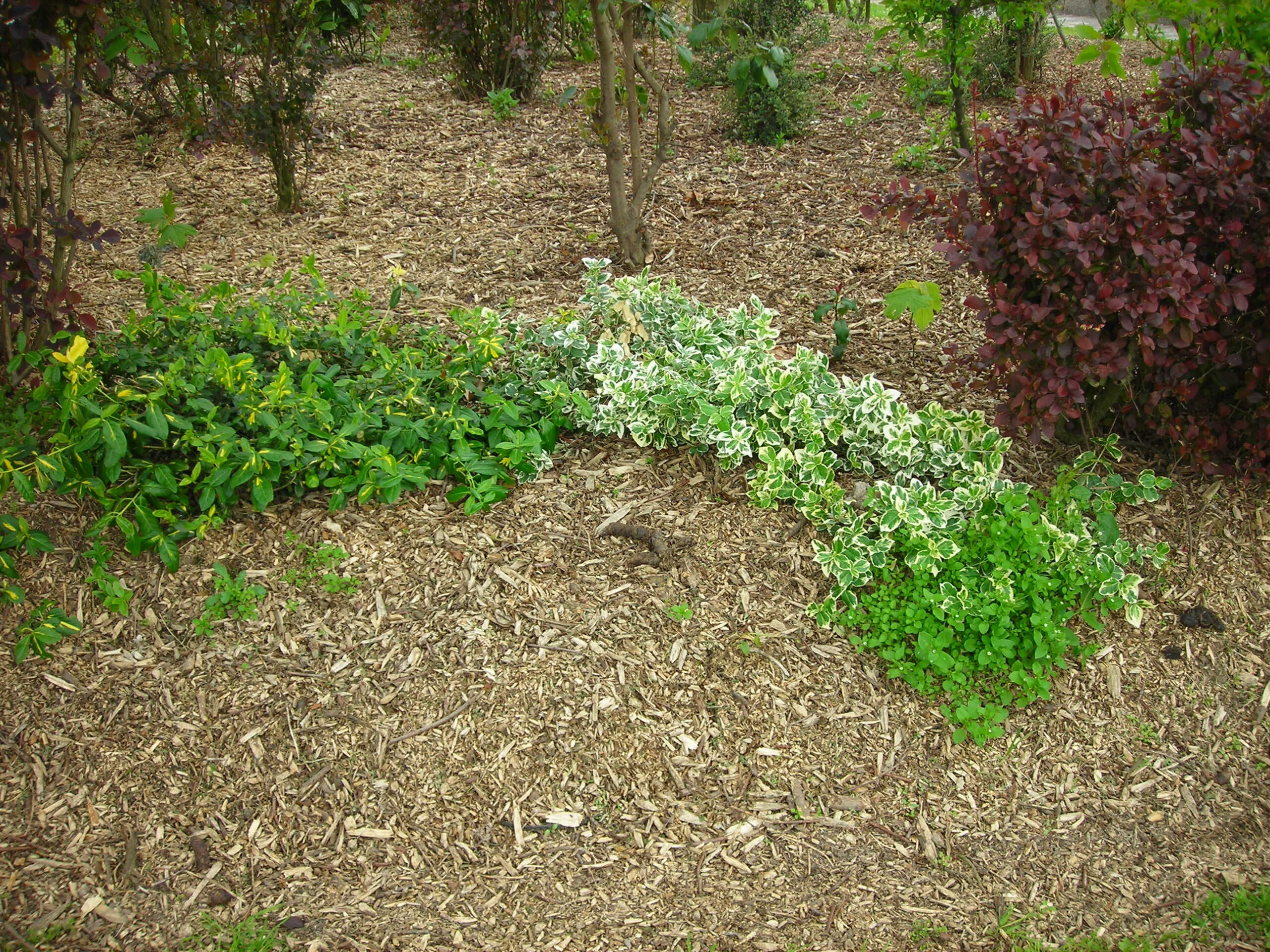
If there is one habit that defines a low-maintenance sustainable garden, it’s keeping the soil covered. In nature, bare soil is an emergency that the ecosystem quickly tries to “fix” with weeds.
Use Mulch to Block Weeds and Retain Moisture
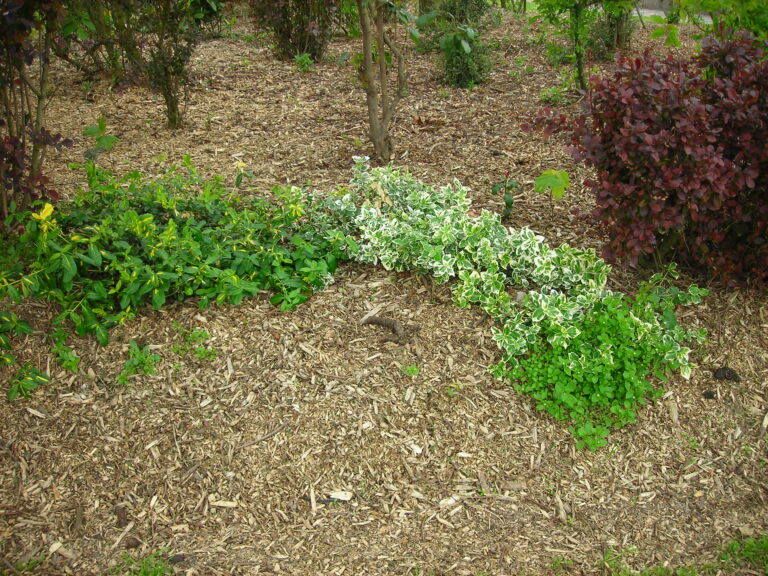
By maintaining a 2-3 inch layer of organic mulch (like wood chips, shredded leaves, or straw), you perform three jobs at once:
- Suppress Weeds: You’ll spend 80% less time weeding.
- Conserve Water: Mulch prevents evaporation, meaning you water less frequently.
- Feed the Soil: As organic mulch breaks down, it improves soil structure and fertility naturally.
Stop Tilling Your Soil
Every time you till or turn the soil, you disrupt the complex web of fungi and beneficial microbes that help plants thrive. You also bring dormant weed seeds to the surface. Adopting a “no-dig” approach preserves soil health and saves you the physical labor of digging.
Watering Smarter, Not Harder
Watering is often the most time-consuming garden chore. Sustainable watering habits focus on efficiency and deep root growth.
- Water the Soil, Not the Leaves: Using drip irrigation or a soaker hose delivers water exactly where it’s needed. This reduces water waste and prevents fungal diseases on foliage.
- Water Deeply and Less Often: Shallow daily watering encourages weak, surface-level roots. Deep, infrequent watering (1 inch per week) trains roots to go deep into the soil, making plants much more drought-tolerant.
- Rainwater Harvesting: Installing a rain barrel doesn’t just save water; it provides chlorine-free “soft” water that plants prefer, right at your fingertips.
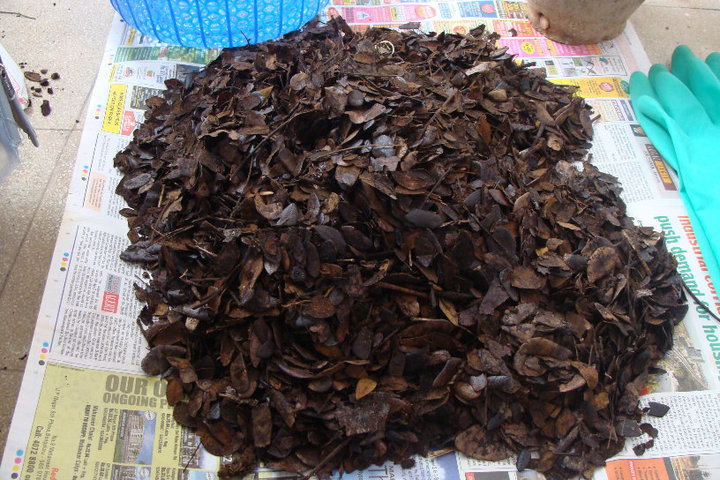
Turning Yard Waste into Garden Gold
One of the biggest time-wasters in traditional gardening is bagging up “waste” and hauling it to the curb, only to go to the store and buy bags of fertilizer or mulch.
- Grasscycling: This is the ultimate zero-minute habit. Stop bagging your grass clippings. Leave them on the lawn to decompose. They return nitrogen to the soil and act as a light mulch, reducing your need for fertilizer by up to 25%.
- Composting on Site: Even a simple “cold” compost pile allows you to turn kitchen scraps and garden trimmings into high-quality soil amendments without ever leaving your property.
- Leaf Mold: Instead of raking and bagging every leaf in the fall, mow over them to break them down into the lawn, or pile them up in a corner to create leaf mold—one of the best soil conditioners available.
Right Plant, Right Place: The Ultimate Time-Saver
The most common mistake new gardeners make is choosing a plant based on looks alone, without considering if it actually likes where it’s being planted.
When you choose plants that are native to your region or well-adapted to your specific site conditions (sun, soil type, moisture), they require almost no intervention once established. They have evolved to handle your local climate and pests. A plant in the “right place” is a happy, low-maintenance plant. A plant in the “wrong place” is a constant drain on your time and resources.
FAQ
Does sustainable gardening cost more upfront?
It can if you buy expensive rainwater systems or mature native plants immediately. However, most sustainable habits—like grasscycling, composting, and mulching with leaves—are actually free and save you money on water and fertilizers from day one.
How much time do these habits actually save?
While there is an initial setup time for things like compost bins or mulch layers, the long-term savings are significant. Most sustainable gardeners report spending far less time on “chores” like weeding and watering, and more time on “enjoyment” tasks like harvesting or observing.
Can I start these habits in an existing garden?
Absolutely. You don’t need to rip everything out and start over. Start by adding mulch to your existing beds, or stop bagging your grass clippings next time you mow. Sustainable gardening is a journey of small, incremental improvements.
Related Reading
For closely related next steps, read How to Start a Low-Maintenance Sustainable Garden, How to Reduce Yard Waste With Smarter Garden Practices, and Why Biodiversity Matters in Your Backyard.
Conclusion
Sustainable gardening isn’t a set of rigid rules; it’s a mindset of working with natural cycles rather than trying to control them. By adopting habits like mulching, smart watering, and resource recovery, you create a garden that is more resilient, more productive, and significantly easier to maintain.
Start with one habit this week—whether it’s setting up a small compost area or simply leaving the grass clippings on your lawn. Your garden, your wallet, and your schedule will thank you.
Internal Links
- How to Reduce Water Use in Your Garden Without Sacrificing Healthy Plants (RG-004)
- Why Mulch Matters in a Sustainable Garden (RG-005)
- How to Start a Low-Maintenance Sustainable Garden (RG-007)
- Common Mistakes New Gardeners Make When Trying to Garden Sustainably (RG-009)
- How to Reduce Yard Waste With Smarter Garden Practices (RG-017)
External References
- Local Extension offices often provide region-specific “Right Plant, Right Place” guides.
- The EPA’s guide on “Greenscaping” for sustainable yard care.
Read next
- How to Start a Low-Maintenance Sustainable Garden
- How to Reduce Yard Waste With Smarter Garden Practices
- Why Biodiversity Matters in Your Backyard: Benefits for Homeowners
Image Credits
- Featured: photo by Pexels Photographer via Pexels, licensed Pexels License.
- Body 1: photo by Pexels Photographer via Pexels, licensed Pexels License.
- Body 2: photo by Vinodtiwari2608 via Wikimedia, licensed CC BY-SA 4.0.