Rain Barrels for Beginners: Are They Worth It for Home Gardens?
Introduction
Rain barrels sound appealing for a simple reason: they let you capture water that would otherwise run off your roof and disappear. For a beginner gardener or homeowner trying to waste less water, that can seem like an easy win.
But a rain barrel is not magic. It will not replace all of your watering, and it is only helpful if the setup is safe, covered, and easy to use in your actual garden routine. The real question is not whether rain barrels are good in theory. It is whether they are worth it for your home garden, climate, space, and habits.
For many gardeners, the answer is yes — with realistic expectations. A rain barrel is often most useful as a practical supplement for small-scale outdoor watering, especially when it is placed well and used consistently.
Key Takeaways
- Rain barrels can be worth it for home gardens when you want a simple way to capture roof runoff for outdoor watering.
- They work best as a supplement, not a full replacement for all irrigation in a larger garden.
- A beginner setup needs a stable base, covered openings, mosquito protection, and safe overflow routing.
- Rain barrels are most useful for containers, small beds, and routine hand-watering close to the house.
- If your garden is large or your dry periods are long, a single barrel will help but it will not solve everything.
What a Rain Barrel Actually Does Well
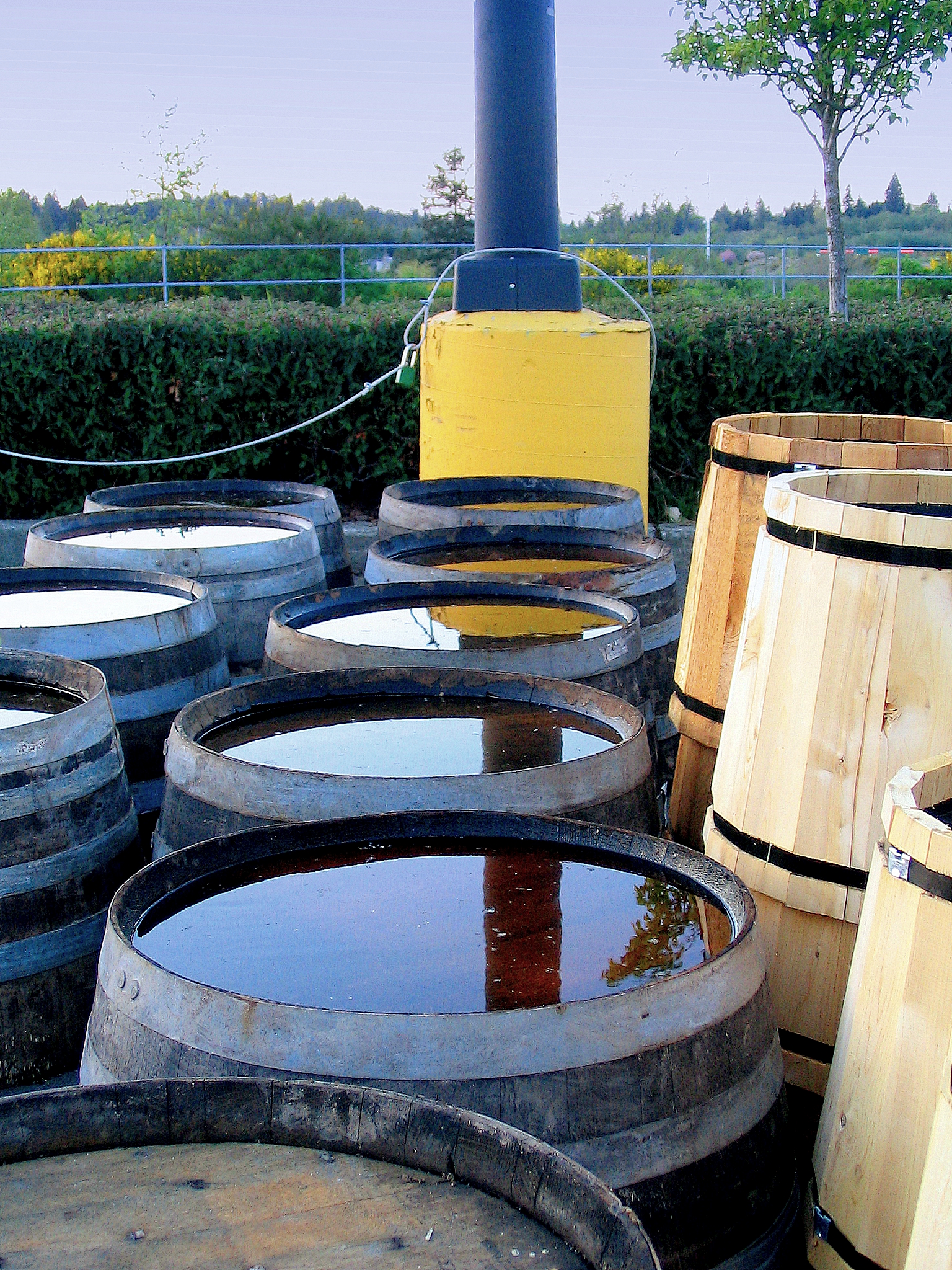
A rain barrel collects runoff from a roof and stores it for later outdoor use. That makes it useful in two simple ways.
First, it gives you a free non-potable water source for jobs like watering containers, newly planted beds, flowers, and other areas that do not need a hose every single time. Second, it temporarily slows down some of the runoff leaving your roof, which can be helpful in a broader water-wise yard strategy.
That does not mean one barrel captures every storm or eliminates runoff problems entirely. It means a rain barrel can turn some roof water into something useful instead of letting all of it rush away at once.
If you are trying to reduce overall watering demand, How to Reduce Water Use in Your Garden Without Sacrificing Healthy Plants is the best companion article.
Where Rain Barrels Help the Most in a Home Garden
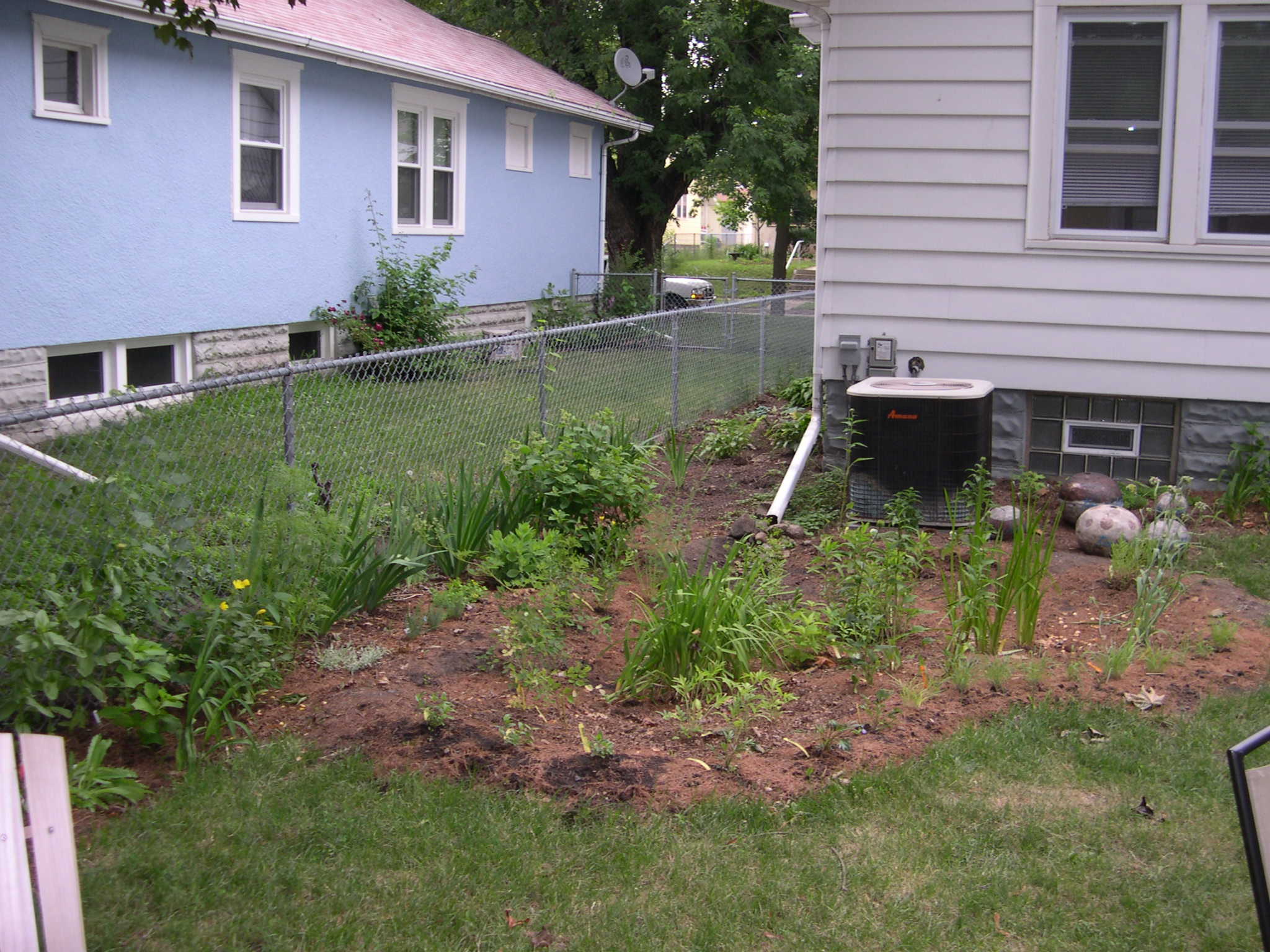
Rain barrels tend to pay off most in simple, close-to-the-house situations.
They are especially useful for:
- container plants on a patio or near a back door
- small ornamental beds or foundation plantings
- a few recently planted shrubs or perennials
- hand-watering during short dry stretches
- gardeners who already like to water with a can or short hose
In those situations, the barrel is easy to access and the stored water gets used before it sits too long. That is usually the difference between a system that feels helpful and one that becomes decorative clutter.
Rain barrels also fit well with a lower-input approach where you are trying to need less supplemental water in the first place. That is part of why they pair naturally with Drought-Tolerant Gardening Tips for Home Landscapes and other water-wise planting choices.
The Limits Beginners Should Understand Up Front
This is where expectations matter most.
A standard rain barrel stores a modest amount of water relative to what a roof can shed during a decent rain and relative to what a larger garden can use during hot weather. In other words, a barrel can fill quickly and empty quickly.
That is not a reason to reject it. It is just a reason to think of it as a useful buffer rather than a complete watering system.
There are other practical limits too:
- the water is non-potable and should not be treated as drinking water
- roof runoff can contain debris and contaminants from the roof and gutters
- barrels need occasional cleaning and inspection
- overflow needs to be directed away from foundations, walkways, and places where pooling will cause problems
- winter weather can require draining or seasonal shutdown depending on your setup
For a bigger or more self-sustaining garden system overall, How to Start a Low-Maintenance Sustainable Garden helps put the rain-barrel decision in context.
What a Good Beginner Rain Barrel Setup Needs
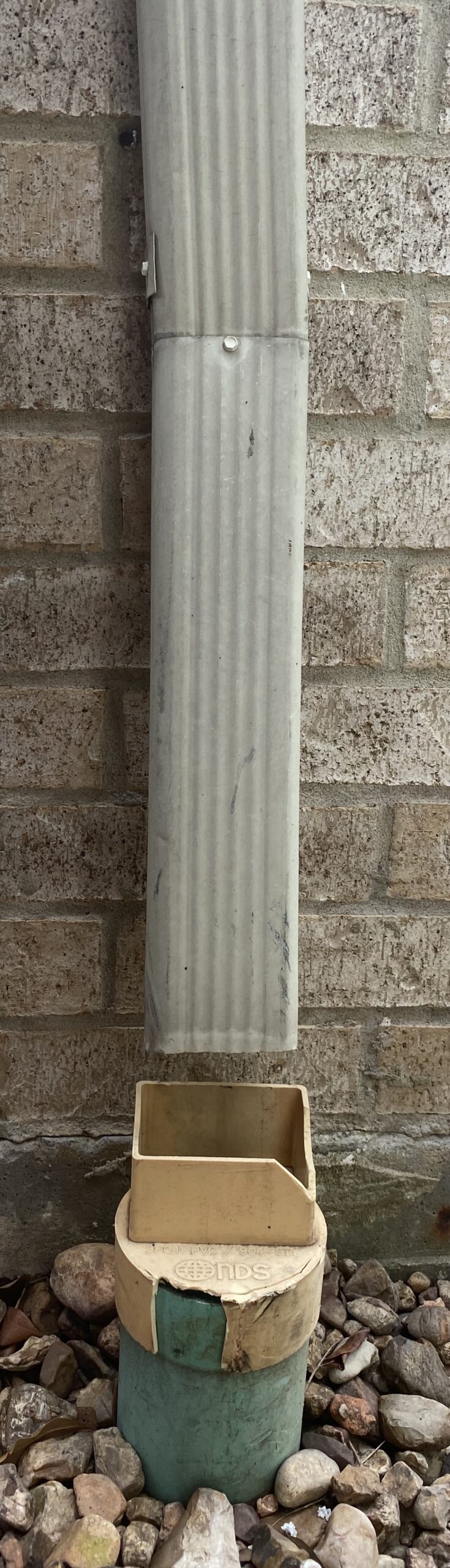
A rain barrel is only worth it if the setup is sound.
At minimum, a beginner system should include:
- a stable, level base that can support the weight of a full barrel
- a covered or screened opening to keep out debris and mosquitoes
- a reliable spigot or outlet that is easy to reach
- an overflow path that sends extra water somewhere safe
- placement near the area where you are actually going to use the water
If the barrel is hard to access, hard to fill correctly, or likely to overflow near the house, people often stop using it.
This is also not the place for improvising away the mosquito issue. Standing water plus exposed openings is an avoidable mistake. A closed or tightly screened barrel is the better beginner standard.
When a Rain Barrel Is Probably Worth It
A rain barrel is usually worth it when most of the following are true:
- you have gutters and a downspout in a practical location
- you water containers, small beds, or nearby plantings by hand
- you want to reduce some outdoor tap-water use
- you are comfortable doing light seasonal maintenance
- you understand that the barrel is a supplement, not the whole solution
It is also more likely to feel worthwhile when you actually enjoy small routine garden tasks. If using stored rainwater feels like a satisfying part of your rhythm, you will get more value from the setup.
When It May Not Be Worth the Effort
Rain barrels are less compelling when the setup fights your yard or your habits.
They may not be worth the effort if:
- your main watering needs are far from the house
- your garden is large enough that one small barrel barely makes a dent
- you dislike maintenance and know the barrel will be neglected
- safe overflow routing is difficult at the chosen location
- you mainly want a zero-effort solution and do not plan to use the water manually
In those cases, broader water-saving design changes may matter more than a barrel alone. Plant choice, mulch, soil care, and irrigation efficiency often carry more long-term impact.
Common Beginner Mistakes With Rain Barrels
Most rain barrel frustration comes from setup problems rather than the idea itself.
Expecting one barrel to solve all watering needs
A single barrel is helpful, but it has limited storage. If expectations are too high, it will feel disappointing.
Putting it on a weak or uneven base
A full rain barrel is heavy. An unstable base can create safety and usability problems fast.
Ignoring overflow
When the barrel fills, the extra water has to go somewhere. It should not be directed toward the foundation or onto a surface where it creates erosion or puddling.
Leaving openings exposed
An open or poorly screened barrel invites debris, mosquitoes, and general nuisance problems.
Letting the water sit without a plan to use it
A barrel works best when the collected water is part of a real watering routine, not just a good intention.
FAQ
How much water can a rain barrel actually collect?
A rain barrel can fill surprisingly quickly because roofs shed a lot of water during a storm, but the barrel itself still has limited storage. That is why it works best as a small-scale buffer, not a full irrigation system.
Can a rain barrel become a mosquito problem?
Yes, if openings are not properly covered or screened. A well-designed beginner setup should keep standing water inaccessible to mosquitoes.
Are rain barrels enough to water a whole vegetable garden?
Usually not by themselves. They are more realistic for supplementing watering in containers, small beds, or nearby plantings unless you expand into a larger linked system.
Conclusion
For many home gardeners, a rain barrel is worth it — not because it does everything, but because it does a few useful things well. It can help you capture roof runoff, stretch outdoor water use a bit further, and support a more practical water-wise gardening routine.
The key is to keep expectations realistic. If you want a simple, low-tech way to water smaller areas near the house, a rain barrel can be a smart addition. If you expect one barrel to carry a large garden through dry weather, it will probably disappoint you.
Used as a supplement rather than a miracle fix, a rain barrel is often a solid beginner move.
Read next
- How to Reduce Water Use in Your Garden Without Sacrificing Healthy Plants
- Drought-Tolerant Gardening Tips for Home Landscapes
- Sustainable Garden Habits That Save Time and Resources
Image Credits
- Featured image: Wikimedia Commons – Rain barrel by Jan Tik (attribution-required reuse per source page).
- Body image 1: Wikimedia Commons – 2006NeighborsNewRG2.JPG by BrianAsh (author-published reuse permission per source page).
- Body image 2: Wikimedia Commons – Downspout to drain pipe by Bait30 (author-published reuse permission per source page).