How to Use Compost in Your Garden Without Overdoing It
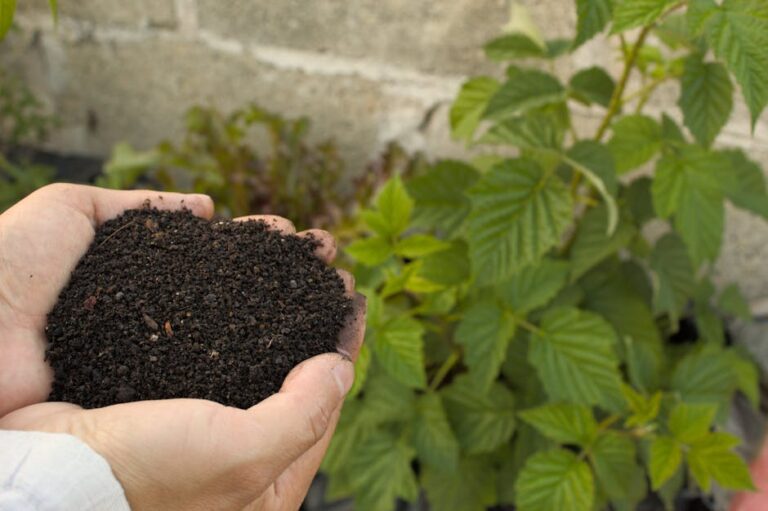
A lot of gardeners hear that compost is one of the best things you can add to soil, then assume the smartest move is to use as much of it as possible. That is understandable. Compost improves soil structure, adds organic matter, and can help beds support healthier plant growth over time.
But compost works best when it is used with some restraint. In most home gardens, the goal is not to bury everything under thick layers of compost. The goal is to add enough to support the soil without creating avoidable problems. A moderate, repeatable approach is usually more useful than a heavy one-time dump.
Key Takeaways
- Compost improves soil structure and organic matter, but more is not automatically better.
- A light topdressing or modest mix into beds is usually enough for most home-garden situations.
- Different garden areas need different compost habits, including beds, established plants, containers, and raised beds.
- Thick layers of unfinished or excessive compost can create problems instead of helping plants.
- The best compost routine is steady and moderate, not heavy-handed.
Why Compost Helps Garden Soil
Finished compost helps soil in a few practical ways. It can improve texture, support better moisture balance, and add organic matter that helps the soil work more effectively over time.
For gardeners, that often means soil that feels less lifeless and more workable. Compost can help heavy soil become easier to handle and can help lighter soil hold moisture more evenly. It is not a magic fix for every soil problem, but it is one of the most useful long-term amendments for a home garden.
If you are still building your composting system, How to Start Composting at Home and Beginner’s Guide to Composting Kitchen Scraps for the Garden are the best starting points.
Why More Compost Is Not Always Better
Compost is valuable, but that does not mean every bed needs a thick layer every time you garden. Too much compost can create a soil mix that is richer and looser than the plants actually need, especially if it starts replacing too much mineral soil.
It can also encourage the habit of treating compost like mulch, fertilizer, and soil all at once. Those are related ideas, but they are not identical. Compost is usually best used as an amendment or a light topdressing, not as a deep blanket around every plant.
Another issue is unfinished compost. If compost is still rough, hot, or clearly breaking down, it is better to let it finish first. Using unfinished material directly around plants can stress roots instead of helping them.
How to Use Compost in Garden Beds
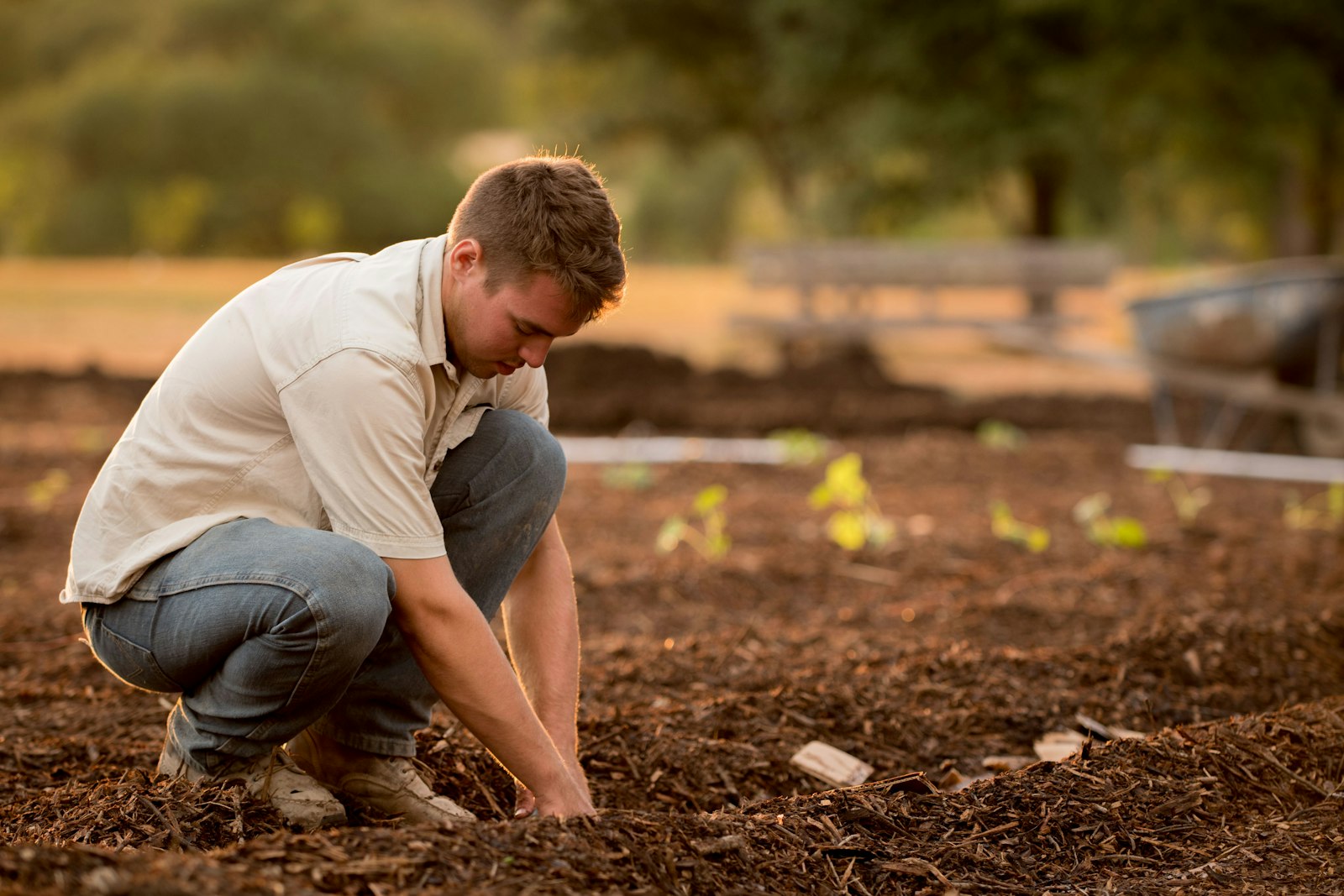
For most in-ground beds, a moderate layer of finished compost worked into the top portion of the soil is enough. You do not need to turn the bed into pure compost to improve it.
When preparing a bed before planting, think in terms of improving the existing soil rather than replacing it. A modest amount mixed into the top layer can help while still preserving the balance of the native or existing garden soil.
If the bed is already in decent shape, a light seasonal topdressing may be all you need. That can be a simpler and less disruptive way to keep building soil quality over time.
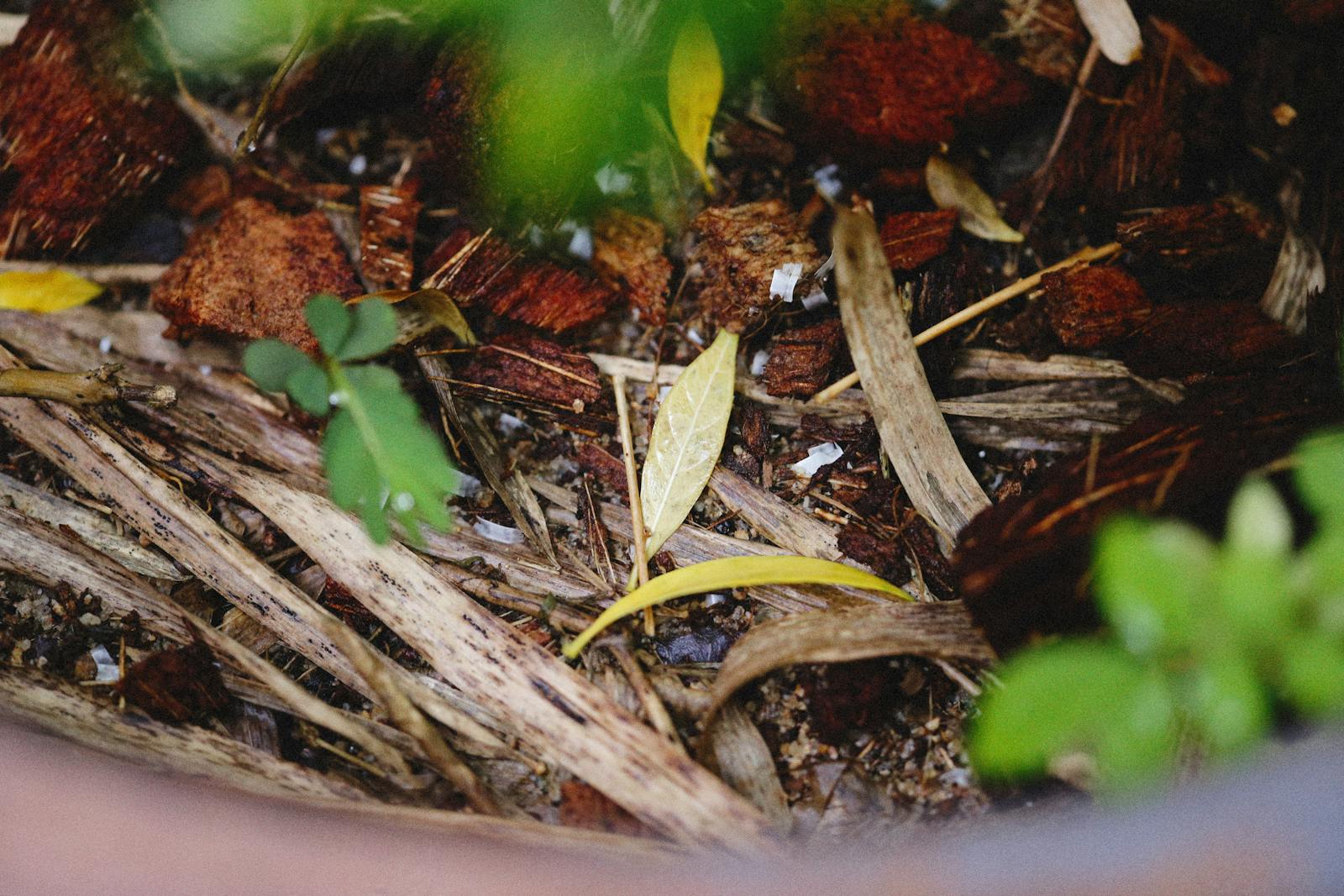
This gradual approach fits well with other low-input practices. Best Ways to Improve Garden Soil Naturally is a useful companion if you want to think beyond compost alone.
How to Use Compost Around Existing Plants
Established plants usually do not need heavy compost piled right against their stems or crowns. In most cases, it is better to apply compost around the root zone area without smothering the base of the plant.
A light ring or shallow topdressing around shrubs, perennials, or vegetable plants is often enough. Over time, watering and natural soil life help work that material downward.
This is also a good reminder that compost is not always the same thing as mulch. If you need surface coverage for moisture control or weed suppression, mulch may be the better top layer, while compost plays the quieter soil-building role underneath or before the mulch goes down.
How to Use Compost in Containers and Raised Beds
Containers and raised beds are where people are especially tempted to overdo compost, because the growing space feels more controlled. But even there, compost usually works best as part of a broader mix, not the entire medium.
In raised beds, compost can be very helpful for refreshing the top layer before planting season or between crops. The key is still moderation. A balanced raised-bed mix usually performs better than a bed that keeps getting overloaded with compost year after year.
In containers, finished compost can support the potting mix, but using too much can affect drainage, density, or overall balance. Containers usually do better when compost is one part of the system, not the whole system.
Signs You May Be Overdoing Compost
A few warning signs can suggest that your compost habit is becoming heavier than it needs to be:
- you keep adding thick layers every season without considering the existing soil condition
- compost is being piled directly against plant stems
- the bed starts to feel more like loose amendment than stable garden soil
- you are using rough, unfinished compost because it seems close enough
- compost is being treated as the answer to every garden problem
These are not reasons to stop using compost. They are reasons to use it more intentionally.
A Simple Compost-Use Routine for Beginners
If you want a safer default, keep the routine simple.
For new planting areas, use finished compost in moderate amounts to improve the top layer of soil before planting. For established beds, use a light topdressing when the bed needs a refresh instead of assuming more is always required.
For existing plants, keep compost slightly away from stems and crowns. For raised beds and containers, refresh the mix thoughtfully instead of loading in large amounts just because the space is enclosed.
That kind of routine is easier to repeat, easier to adjust, and less likely to create problems. It also fits the broader goal of sustainable gardening: doing enough to help the system without over-managing it.
FAQ
Can you use too much compost in a garden?
Yes. Compost is helpful, but excessive amounts can create an imbalanced growing environment or encourage poor amendment habits. Most home gardens benefit more from moderate use than heavy use.
Should compost be mixed into soil or left on top?
Both approaches can work, depending on the situation. Compost is often mixed into the top layer when preparing a new bed, while a light topdressing can work well for existing beds and plants.
How often should I add compost to my garden?
That depends on the condition of the soil and the type of garden space, but a light seasonal routine is often more useful than repeated heavy applications.
Conclusion
Compost is one of the best tools a gardener can use, but it works best when it is treated like a support system, not a shortcut. Most beds do not need extreme amounts. They need finished compost, applied in a practical way, at a level the soil and plants can actually use.
If you keep the habit moderate, compost can steadily improve your garden without becoming another source of avoidable mistakes.