How to Start Composting at Home: A Beginner-Friendly Guide
For many households, composting is one of the most practical ways to reduce waste and create something useful at the same time. It is often presented as either extremely simple or unnecessarily complicated, which leaves many beginners unsure where to start. Some people assume composting requires a large yard and specialized equipment, while others jump in without understanding the basic conditions that make the process work.
In reality, home composting is not difficult, but it does require a little structure. If you understand the basic relationship between food scraps, dry material, airflow, and moisture, you can build a system that is manageable, low-cost, and productive over time. The goal is not to create a perfect composting system on day one. It is to establish a workable household routine that improves with experience.
Key Takeaways
- Composting at home is easier to manage when you begin with a simple, realistic setup.
- A successful beginner system depends on balancing food scraps with dry material rather than piling up scraps alone.
- Moisture and airflow are basic but important conditions for keeping compost productive and low-odor.
- Most beginners do not need advanced methods; they need a routine they can maintain consistently.
- Over time, home composting can reduce household organic waste and produce useful compost for gardens and planting areas.
What Composting Is and Why It Matters
Composting is the controlled breakdown of organic material into a stable, soil-like material known as compost. In a home setting, that usually means combining kitchen scraps, yard waste, and dry carbon-rich material in a way that allows natural decomposition to occur efficiently.
What makes composting valuable is not just that it reduces waste. It also converts a portion of what a household would normally discard into a material that can improve soil structure, support water retention, and contribute to healthier plant growth. For gardeners, that is an obvious benefit. For households that are simply trying to live more sustainably, composting is one of the clearest examples of turning waste reduction into a practical daily habit.
- it reduces the volume of organic material going into the trash
- it creates a useful material for gardens and planting areas
- it encourages more deliberate household waste habits
- it connects sustainability to something tangible and repeatable
For beginners, the most important point is that composting is not just an abstract environmental good. It is a household system with visible practical value.
What You Need to Start Composting at Home
A beginner composting setup does not need to be elaborate, but it does need a few essential components.
A compost container or designated compost area
- a compost bin
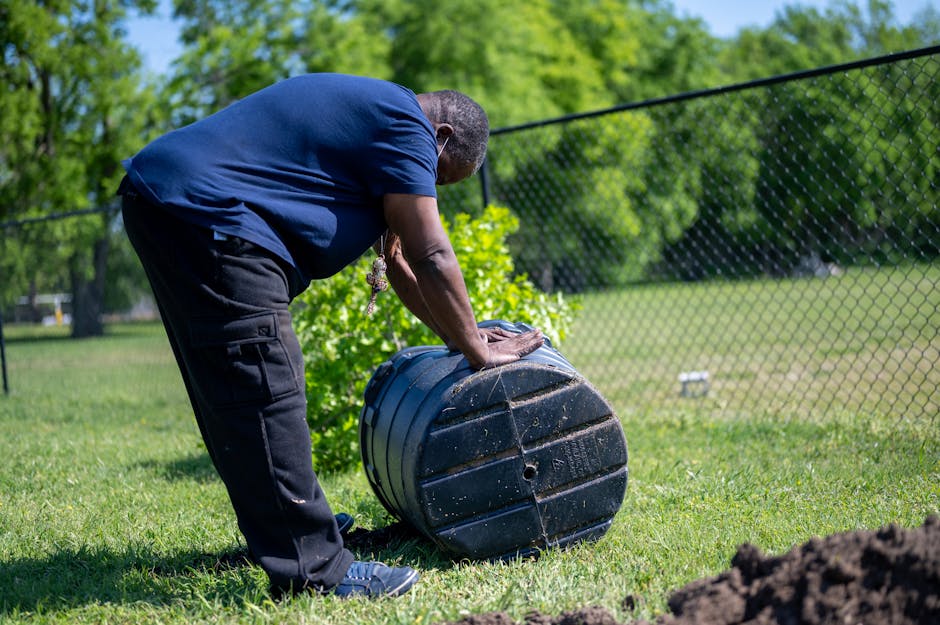
- a compost tumbler
- a simple compost pile, if you have enough outdoor space
For most beginners, a contained bin is the easiest entry point. It creates clearer boundaries, tends to feel cleaner and more manageable, and can reduce some of the hesitation that comes with starting from scratch.
Organic material from two broad groups
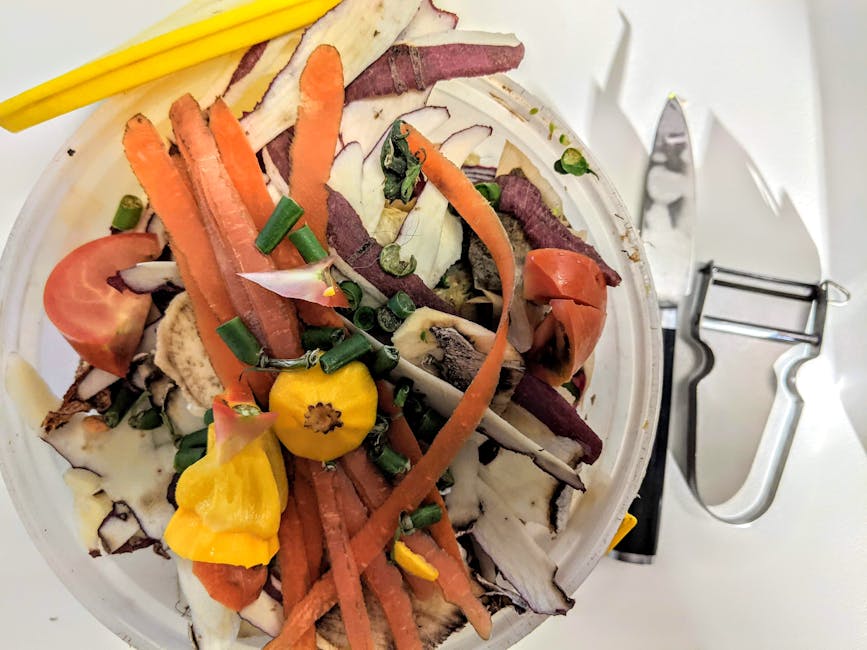
- Greens: nitrogen-rich materials such as fruit and vegetable scraps, coffee grounds, and fresh grass clippings
- Browns: carbon-rich materials such as dry leaves, shredded paper, cardboard, and small twigs
This distinction matters because compost works best when wet, dense materials are balanced by dry, fibrous ones. A bin filled entirely with food scraps is more likely to become compacted, wet, and unpleasant. A system with only dry material will break down far more slowly. Beginners do not need exact ratios at the start, but they do need to understand that compost depends on balance rather than accumulation alone.
Basic attention to moisture and airflow
Home composting is often described as if you simply throw scraps into a bin and wait. That is only partly true. Decomposition works best when the material is moist but not saturated, and when there is enough airflow to prevent the pile from becoming compacted and oxygen-poor.
When airflow drops too much, decomposition can slow down and odor problems become more likely. In practical terms, this means:
- adding dry material when the pile feels too wet
- avoiding thick layers of food scraps by themselves
- loosening or turning the material occasionally when needed
A simple routine
- collecting appropriate scraps
- adding browns regularly
- checking the bin occasionally for smell, moisture, or compaction
What You Can and Cannot Compost
One of the most common beginner mistakes is assuming that all organic material belongs in a home compost system. In reality, what is technically compostable in some settings and what works well in a simple household compost setup are not always the same thing.
Common compost-friendly materials
- fruit and vegetable scraps
- coffee grounds and paper filters
- tea leaves or some tea bags, depending on the materials used
- crushed eggshells
- dry leaves
- shredded paper
- torn plain cardboard
- untreated yard trimmings
These materials are widely used because they are common, manageable, and generally low-risk in a simple home system.
Materials beginners should approach cautiously or avoid
- meat
- dairy
- oily foods
- greasy leftovers
- pet waste
- heavily processed food waste
Some composting systems can handle a wider range of material, but that depends on the design of the system and the level of management involved. For beginners, reducing variables is usually the better strategy.
If a material is likely to create odor, grease, pest problems, or uncertainty in a basic household setup, it is usually not the best place to begin.
How to Start Composting Step by Step
If you are starting from scratch, the best approach is to make the system as easy to sustain as possible.
1. Choose the simplest workable setup
- If you have a yard, a bin is often the easiest place to begin.
- If you want a cleaner and more contained setup, a tumbler may appeal to you.
- If you have more space and do not mind a looser system, a pile may be enough.
The important question is not which method sounds most impressive. It is which method you are most likely to maintain consistently.
2. Start with a base of browns
Begin with dry material such as leaves, shredded cardboard, or paper. This helps create structure, improves airflow, and reduces the chance that your first layers of kitchen scraps will turn into a soggy mass.
3. Add greens gradually
As you collect compost-friendly kitchen scraps, add them in moderate amounts. Spread them through the pile or cover them with dry material rather than letting them accumulate as a dense wet layer.
4. Add browns regularly, not just once
A common beginner mistake is treating browns as something you add at the beginning and forget about. In practice, they need to be part of the routine. If the pile starts to look wet, heavy, or compressed, adding more browns is often the first corrective step.
5. Watch for moisture and smell
A healthy compost system should smell earthy or neutral, not sharply rotten. If odor becomes a problem, that usually suggests too much wet material, too little airflow, or too few browns.
Likewise, if the pile feels waterlogged, it needs more dry material. If it seems dry and inactive, it may need some moisture or a better mix of ingredients.
6. Turn or loosen the material when useful
Not every beginner system needs constant turning, but occasional mixing helps distribute moisture, reduce compaction, and support decomposition. Think of this as routine maintenance, not as a technical procedure you need to over-engineer.
Common Beginner Mistakes to Avoid
Treating compost like a trash can
Compost is not a place to dump everything biodegradable without thought. A successful pile depends on material quality and balance.
Using too many greens and too few browns
This is probably the most common beginner issue. Kitchen scraps accumulate quickly, but dry material is what keeps the pile from becoming wet, dense, and foul-smelling.
Expecting the process to be immediate
Composting is straightforward, but it is still a biological process. It takes time, observation, and modest adjustment.
Adding too many variables too early
Beginners often do better with a small, stable system than with an ambitious setup full of materials they are not yet confident managing.
Ignoring early warning signs
Bad smell, excess moisture, and visible compaction are useful signals. If you notice them early, the fix is usually simple.
What to Do Next After You Begin
Once your system is started, the next objective is not sophistication. It is consistency.
- collect appropriate scraps consistently
- keep dry material available
- add browns often enough to maintain balance
- check the bin periodically rather than ignoring it for weeks
- adjust as you learn how your specific system behaves
Over time, composting becomes easier because the process becomes familiar. You start to recognize what balance looks like, what your household generates most often, and how to correct problems before they become disruptive.
FAQ
Does compost smell bad?
A well-managed compost system should not produce a strong, offensive odor. If it smells unpleasant, the problem is often too much wet material, too little dry material, poor airflow, or a combination of the three.
Can you compost in a small yard?
Yes. Many households compost successfully in relatively small spaces using a compact bin or another contained system.
How long does composting take?
That depends on the materials, conditions, and method used. Some systems break down material more quickly than others, but beginners should think of composting as an ongoing process rather than a fast result.
Can apartment dwellers compost?
In some cases, yes, but the method may need to be different from a standard backyard setup. Apartment composting is often better addressed as a separate topic with more specific guidance.
If you want to build on these basics, see Beginner’s Guide to Composting Kitchen Scraps for the Garden for a more specific look at food scraps and How to Use Compost in Your Garden Without Overdoing It for the next step after your pile starts producing finished compost.
Conclusion
If you want to start composting at home, the most effective approach is to begin with a system that is simple enough to maintain and structured enough to work. Choose a manageable setup, understand the role of greens and browns, pay attention to moisture and airflow, and avoid materials that create unnecessary complications.
Composting becomes approachable once you understand its basic logic. You do not need to master every method or solve every edge case before you begin. You need a practical setup, a workable routine, and enough consistency to let the process do its job.