How to Start a Low-Maintenance Sustainable Garden
A lot of people like the idea of a sustainable garden but hesitate when they picture the upkeep. Watering, weeding, soil problems, plant replacement, and seasonal cleanup can make gardening feel like one more demanding project rather than something enjoyable.
The good news is that a low-maintenance sustainable garden is not about ignoring the garden and hoping for the best. It is about making a few smart choices early so the garden asks less from you over time. When the scale is realistic, the plants fit the space, the soil is healthier, and the surface is protected, everyday care usually becomes simpler.
Key Takeaways
- A low-maintenance sustainable garden starts with realistic scale, not maximum ambition.
- Choosing the right plants and reducing bare soil can cut watering and weeding work.
- Compost, mulch, and healthier soil help the garden hold moisture and stay more resilient.
- Simple systems such as grouped plantings and efficient watering make routine care easier.
- A manageable garden usually becomes lower-maintenance over time when the setup supports it.
What Low-Maintenance Sustainable Gardening Really Means
Low-maintenance does not mean no maintenance. Every garden needs some attention. But some gardens are far easier to care for than others because they were designed with realistic conditions and routines in mind.
A sustainable garden also does not have to look wild or neglected. In practice, it usually means using resources more thoughtfully, improving the soil, reducing waste, watering more efficiently, and choosing plants that are more likely to thrive without constant intervention.
A low-maintenance sustainable garden is really a garden that works with its conditions instead of fighting them all season.
Start Smaller Than You Think You Need To
One of the fastest ways to create a high-maintenance garden is to start too big. A larger garden means more soil to improve, more plants to water, more weeds to manage, and more decisions to keep up with.
For beginners, it is usually better to start with one bed, one border, or one clearly defined area. A smaller space is easier to mulch, easier to water well, and easier to observe. It also gives you a chance to learn what works in your yard before expanding.
If you build one manageable area first, you are more likely to create a garden that feels satisfying instead of overwhelming.
Choose Plants and Layouts That Reduce Ongoing Work
Plant choice matters as much as enthusiasm. A garden becomes easier to manage when plants are well matched to the light, soil, moisture, and space available.
That often means choosing plants that are more comfortable in your conditions instead of forcing high-demand plants into spots where they constantly struggle. It also helps to group plants with similar water and care needs together. When one part of the garden needs one kind of care and another part needs something very different, maintenance becomes less efficient.
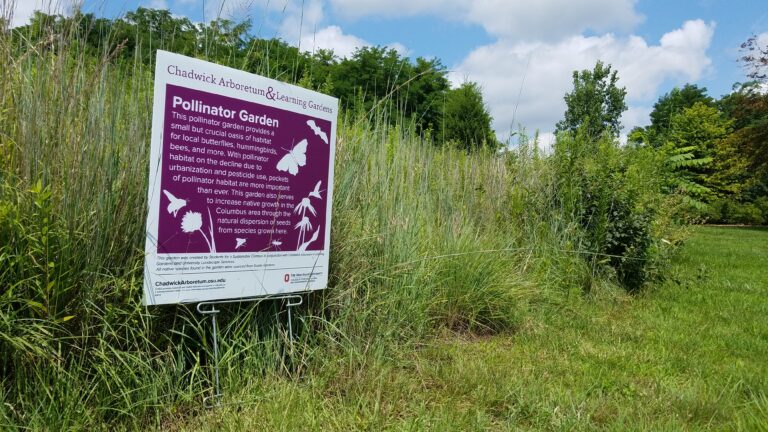
If you want to lean further in this direction, native and climate-appropriate plant choices can help reduce ongoing inputs. That is one reason articles like Benefits of Native Plant Landscaping for Sustainable Yards and How to Create a Pollinator-Friendly Garden at Home fit naturally into this cluster.
Layout matters too. Clearly defined beds, pathways, or planting zones help keep the space readable and easier to maintain. A simple structure often saves work later.
Build the Soil and Cover It Well
A low-maintenance garden usually starts below the surface. Healthier soil often supports stronger roots, better moisture retention, and more resilient plant growth.
That is why adding compost and other organic matter is such a useful long-term move. If you want a deeper look at that side of the system, Best Ways to Improve Garden Soil Naturally covers the basics.
Mulch matters just as much. Bare soil dries out faster, invites more weed pressure, and often creates extra work. A mulch layer helps protect the surface, reduce moisture loss, and make the garden look more finished.
That is also why Why Mulch Matters in a Sustainable Garden is one of the most important support articles for this topic. Covering the soil is one of the simplest ways to make a garden more forgiving.
Make Watering Easier From the Beginning
Watering can become one of the biggest maintenance burdens in a garden, especially when plants are spread out randomly or the soil dries quickly.
A lower-maintenance setup usually makes watering easier in a few ways:
- grouping plants with similar moisture needs
- improving soil so it holds water more effectively
- mulching exposed areas
- avoiding unnecessary garden sprawl
- using a simple watering system when appropriate
You do not need an elaborate irrigation setup to make progress. Even a basic plan for where water is needed most can reduce stress. If efficient watering is one of your biggest concerns, How to Reduce Water Use in Your Garden Without Sacrificing Healthy Plants goes deeper on that problem.
Common Mistakes That Create More Work Later
Starting with too many plants or too much space
More plants and more beds do not always create a better beginner garden. They often create more maintenance than the gardener can realistically sustain.
Choosing plants for appearance alone
A plant may look great in a photo and still be a poor fit for your conditions. Replacing stressed plants repeatedly creates work and expense.
Leaving soil exposed
Bare soil usually means more drying, more weeds, and more catch-up work later.
Treating sustainability like an all-or-nothing project
Some beginners assume they need to redesign the whole yard at once. In reality, gradual improvement is often more sustainable than a dramatic reset.
Confusing tidy structure with high input
A sustainable garden can still look intentional. Defined edges, grouped plants, and mulched beds often make the garden easier to maintain while still looking cared for.
How to Start Your First Low-Maintenance Garden Area
If you want a practical starting point, begin with one area and keep the decisions simple.
A useful first setup might look like this:
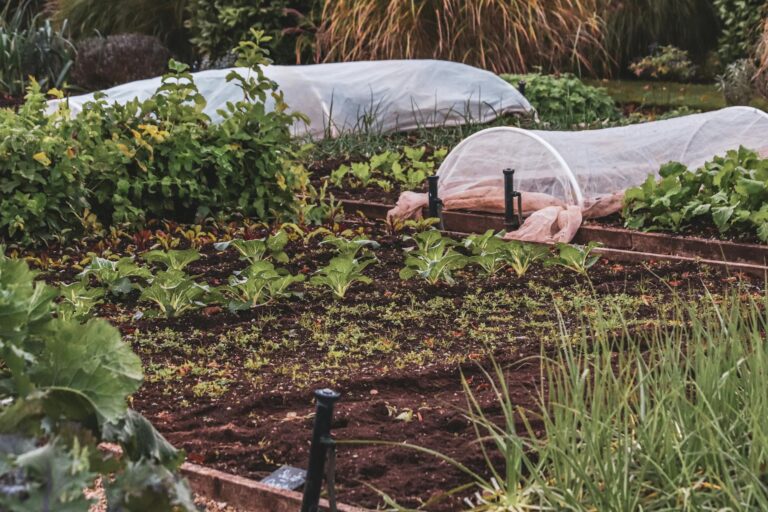
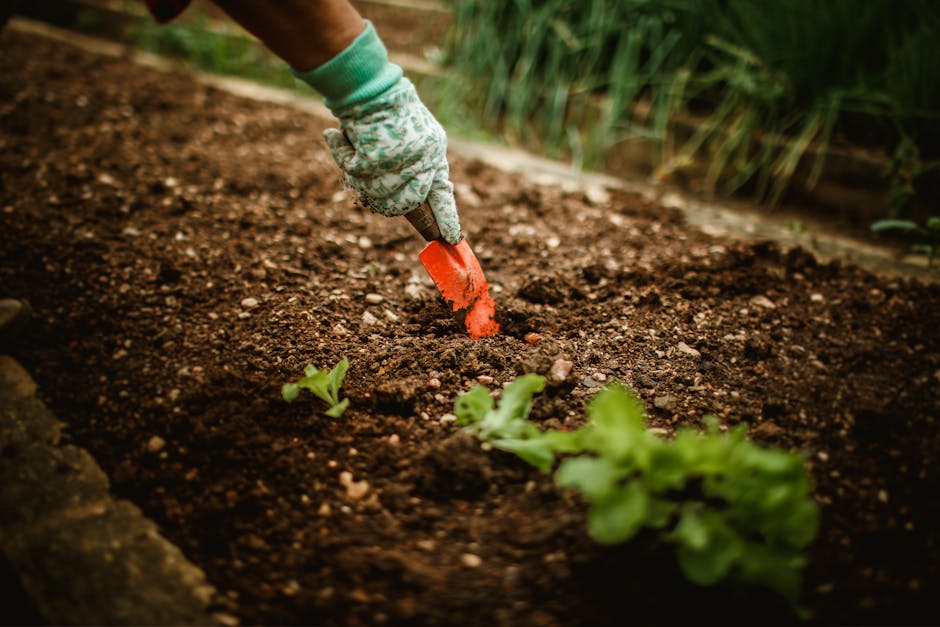
- choose one bed or small planting zone
- remove or reduce unnecessary clutter
- improve the soil with compost
- add mulch after planting
- use a smaller number of well-suited plants
- keep watering needs consistent within that area
- watch what works before expanding
This approach gives you a clearer system to maintain and a better chance of building confidence early.
FAQ
What is the easiest type of sustainable garden to start?
A small, clearly defined garden area with well-suited plants, improved soil, and mulch is usually one of the easiest ways to begin.
Can a low-maintenance garden still look tidy?
Yes. Low-maintenance does not mean messy. In many cases, mulch, grouped plantings, and simple layout choices make the garden look more intentional.
Do low-maintenance gardens need less watering?
Often, yes. Better soil, mulch, realistic plant choices, and efficient grouping can all reduce unnecessary watering work.
Conclusion
If you want a low-maintenance sustainable garden, the goal is not to do everything at once. The goal is to create a garden that is easier to care for because the setup supports it.
Start smaller than you think, choose plants that fit the space, improve the soil, cover bare ground, and make watering simpler from the beginning. Those steps may not feel dramatic, but together they create a garden that is more manageable, more resilient, and easier to keep going over time.