How to Reduce Water Use in Your Garden Without Sacrificing Healthy Plants
Reducing water use in your garden does not mean letting plants struggle. In many cases, it means learning how to water more effectively so the moisture you use actually benefits the plants instead of evaporating quickly or running off where it is not needed.
A healthier, more water-wise garden comes from better habits, better soil support, and better plant choices. When those parts work together, you can often lower water use while still helping plants stay strong and productive.
Key Takeaways
- Watering deeply and less often is usually more effective than frequent shallow watering.
- Mulch can help soil hold moisture and reduce evaporation around plants.
- Watering at the right time of day can reduce waste and improve plant uptake.
- Plant choice, soil quality, and grouping plants by water needs all influence how much irrigation a garden really needs.
- Reducing water use works best when you improve the whole system, not just cut back blindly.
Why Efficient Watering Matters
A garden uses water best when moisture reaches the root zone and stays available long enough for plants to use it. When watering is too shallow, too frequent, or done at the wrong time, more of that water is lost to evaporation or runoff.
This matters for both sustainability and plant health. Efficient watering can help reduce waste, lower costs, and encourage stronger root growth. Instead of training plants to depend on constant surface moisture, it helps support a more stable growing environment.
How to Water Plants More Effectively
One of the simplest changes is to water deeply instead of lightly sprinkling the surface every day. Deep watering encourages roots to grow farther down into the soil, which can help plants handle dry periods better.
It also helps to water in the morning whenever possible. Morning watering gives plants access to moisture before the heat of the day increases evaporation, and it can be more effective than watering in the hottest part of the afternoon.
If possible, direct water close to the base of the plant instead of spraying large areas broadly. A focused watering method often uses less water and gets more of it where it matters.
Targeted watering can make each watering session more effective.
How Soil, Mulch, and Plant Choice Help Reduce Water Use
Healthy soil plays a major role in moisture management. Soil with good organic matter usually holds water more effectively than dry, depleted soil. That means the garden can stay evenly moist for longer between watering sessions.
Mulch is also one of the most useful tools for reducing water loss. A layer of mulch helps shade the soil, reduce evaporation, and moderate temperature swings around plant roots.
Plant choice matters too. Gardens often become more water-efficient when plants are matched to local conditions instead of forcing high-demand plants into unsuitable spaces. Grouping plants with similar water needs can also help you avoid overwatering some areas while underwatering others.
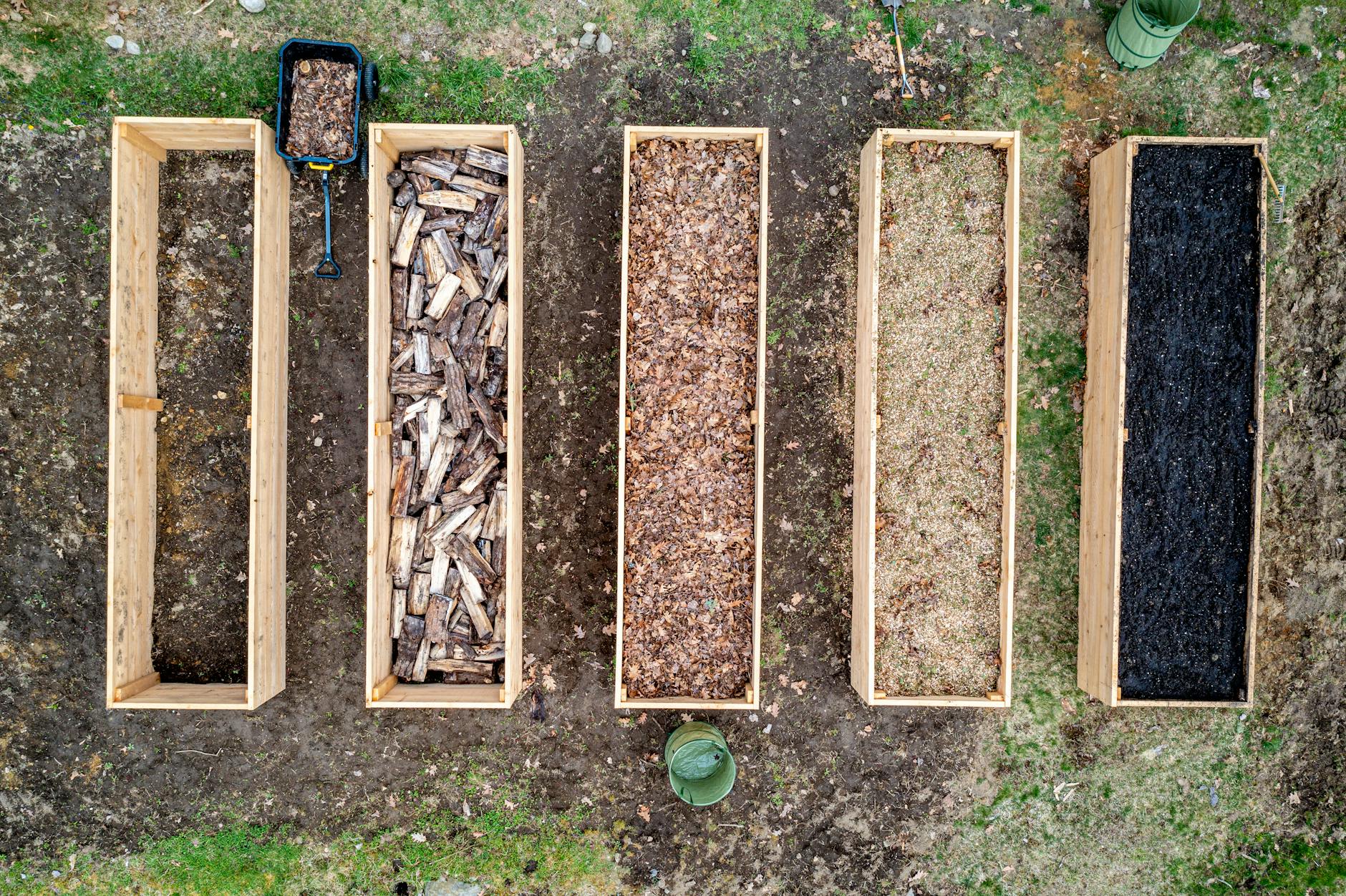
Mulch is one of the simplest ways to keep moisture in the soil longer.
Common Mistakes That Waste Water
A common mistake is watering too often in small amounts. This can leave moisture near the surface without helping deeper roots.
Another mistake is watering everything the same way even when plants have different needs. New plantings, containers, established shrubs, and drought-tolerant perennials may all need different care.
It is also easy to waste water by leaving bare soil exposed. Without mulch or ground coverage, soil can dry out faster and require more frequent watering.
How to Start Improving Garden Water Use at Home
Start by looking at one part of your garden and asking where water is most likely being wasted. You might notice shallow watering habits, exposed soil, runoff, or plant groupings that do not make much sense.
- watering earlier in the day
- adding mulch around plants
- watering more deeply and less often
- improving soil with compost or organic matter
- grouping thirsty plants separately from lower-water plants
These are manageable changes that can improve water use without making the garden harder to care for.
FAQ
Does using less water always mean watering less often?
Not necessarily. In many cases, the goal is to water more effectively, not just less often. Deep, targeted watering can be better than frequent shallow watering.
Can mulch really help reduce garden watering?
Yes. Mulch can reduce evaporation, help regulate soil temperature, and keep moisture in the root zone longer.
Will drought-tolerant plants solve everything?
No. Plant choice helps, but healthy soil, watering habits, and garden design still matter.
For a broader low-water strategy, see Drought-Tolerant Gardening Tips for Home Landscapes, Rain Barrels for Beginners, and Why Mulch Matters in a Sustainable Garden.
Conclusion
If you want to reduce water use in your garden without sacrificing healthy plants, the best approach is to improve how the garden holds and uses moisture. Smarter watering, better soil, mulch, and more appropriate plant choices all work together to make the garden more resilient.
Small changes can make a meaningful difference. When the system improves, plants often perform better even as water use becomes more efficient.