How to Create a Pollinator-Friendly Garden at Home
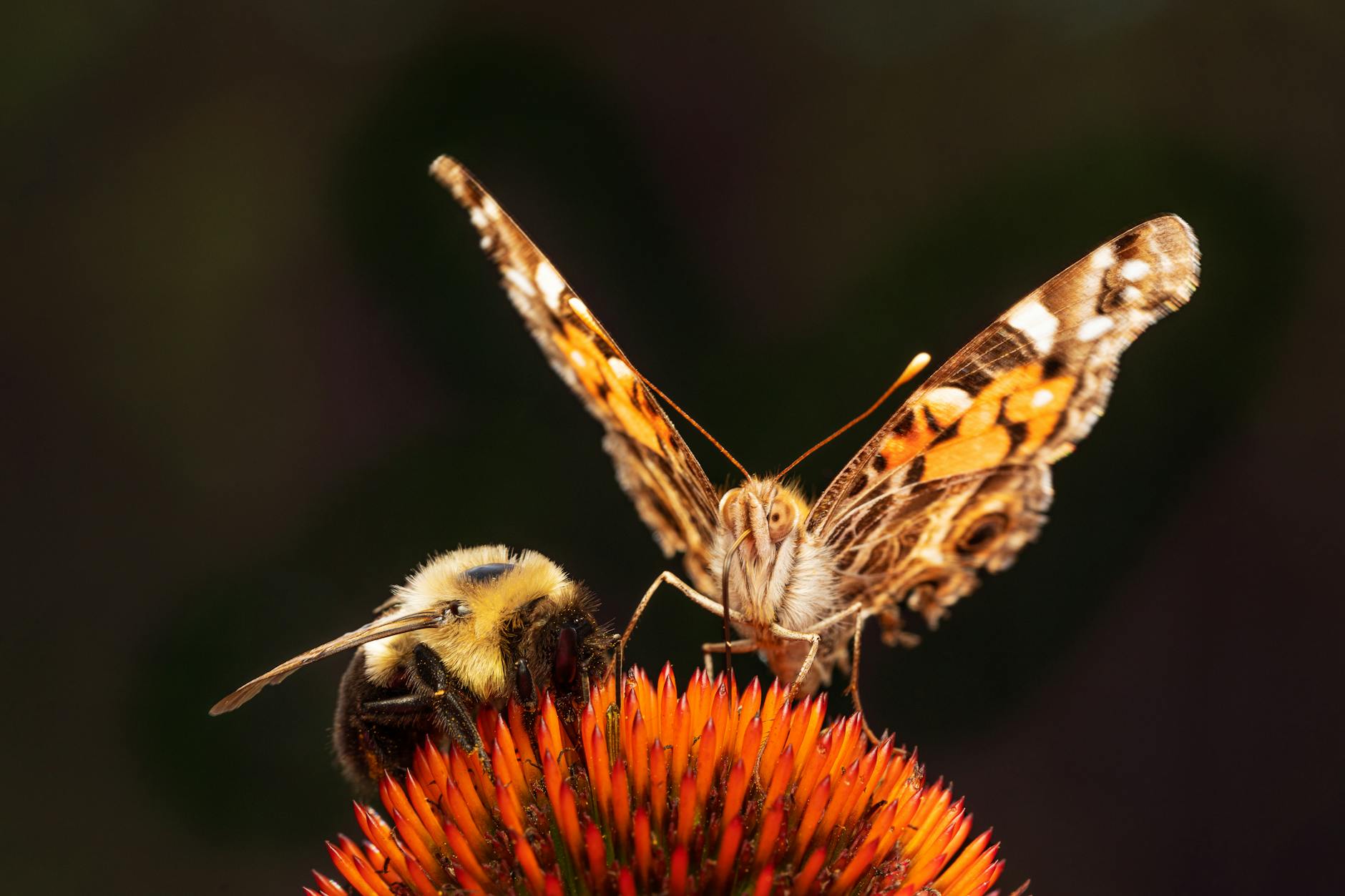
Creating a pollinator-friendly garden at home is one of the most practical ways to make your outdoor space more supportive of nature while still keeping it attractive and useful. Pollinators such as bees, butterflies, and other beneficial insects help plants reproduce, support healthier ecosystems, and add life and movement to a garden.
The good news is that building a pollinator-friendly garden does not require a huge yard or a complete landscape overhaul. With the right mix of flowers, bloom timing, and simple habitat features, even a small planting area can become more welcoming to pollinators.
Key Takeaways
- A pollinator-friendly garden starts with plants that provide nectar and pollen across different parts of the growing season.
- Native flowers are often one of the best choices for supporting local bees, butterflies, and other beneficial insects.
- Grouping similar flowering plants together can make it easier for pollinators to find and use them.
- A strong pollinator garden includes more than flowers; shelter, water, and reduced pesticide use also matter.
- You can begin with one bed, border, or container area instead of redesigning your entire yard.
What Makes a Garden Pollinator-Friendly
A pollinator-friendly garden is designed to give pollinators what they need to feed, move through the landscape, and continue returning through the season. That usually means a reliable supply of nectar and pollen, along with a garden layout that makes those resources easier to find.
In practical terms, this often includes flowering plants with different bloom times, a mix of plant shapes and heights, and a preference for plants that are useful to local insects rather than purely decorative. Native plants can play an important role here because they are often closely tied to the pollinators that evolved alongside them.
A pollinator-friendly garden also works best when it avoids practices that make the space harder for insects to use. Heavy pesticide use, large gaps with no blooms, or landscapes with very little habitat value can all limit the benefit of a planting.
Why Pollinators Matter in a Home Garden
Pollinators help support the reproduction of many flowering plants and contribute to healthier garden ecosystems. Even if a home gardener is not growing food crops, pollinators still add value by helping flowering plants thrive and by supporting a more balanced outdoor environment.
A garden that attracts pollinators often feels more alive and more seasonal. You may notice more bees moving through flowers, more butterflies visiting blooms, and a stronger connection between planting choices and the local environment.
For many homeowners, pollinator gardening also offers a more practical reason to rethink the landscape. Instead of filling a yard only with plants chosen for appearance, a pollinator-friendly garden makes the space more functional without giving up visual appeal.
How to Choose Plants for Pollinators
One of the best ways to support pollinators is to plant flowers that offer nectar and pollen across as much of the growing season as possible. Instead of relying on a short burst of color from one type of flower, aim for a sequence of blooms from spring through fall.
Native flowers are often the strongest place to start. They tend to be better matched to local pollinators and local growing conditions, which can make them more useful and more resilient in the right setting. That does not mean every plant in the garden must be native, but a native-first approach is often a practical one.
It also helps to group the same or similar flowers together rather than scattering single plants throughout the yard. Larger groupings are easier for pollinators to spot and use efficiently.
When choosing plants, look at:
- bloom time across the season
- flower shape and variety
- local growing conditions such as sun, soil, and moisture
- whether the plants are known to support pollinators in your region
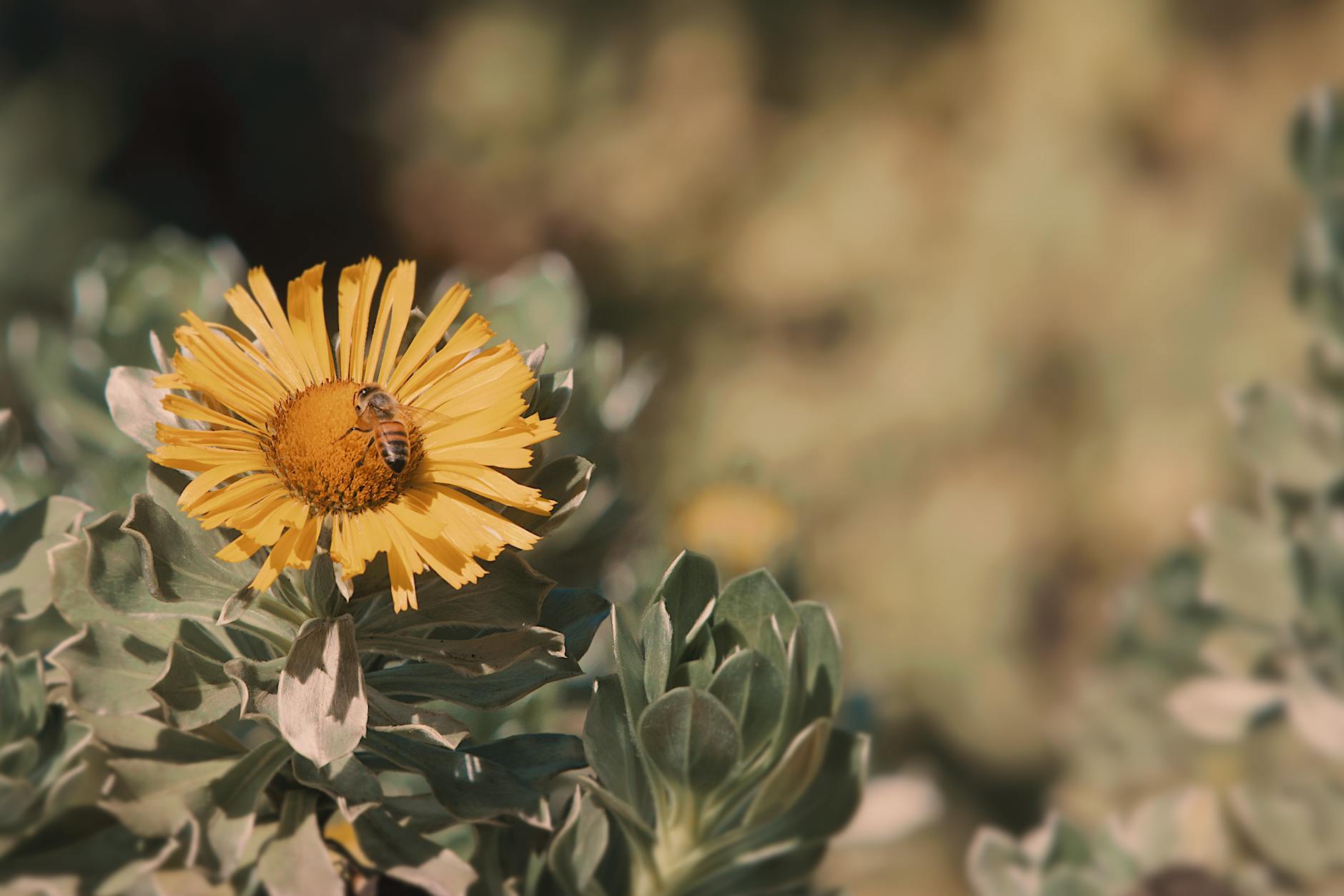
Close-up flower activity is a helpful reminder that plant choice matters.
Design Tips for a Better Pollinator Garden
A pollinator-friendly garden does not need to look wild or unplanned. In fact, many of the best home pollinator gardens combine ecological usefulness with a layout that still feels clean and intentional.
You can make the garden more effective by mixing plant heights, repeating useful flowering plants in clusters, and creating clearly defined beds or borders. This helps the garden feel organized while still offering pollinators a steady supply of blooms.
It is also helpful to think in layers. A mix of low flowers, medium-height perennials, and shrubs can make the space more visually interesting and more supportive overall.
Another practical design choice is to avoid long stretches of time when nothing is blooming. A pollinator garden should not rely on one peak moment. It should offer something useful across the season.
Habitat Features That Help Pollinators
Flowers are the most obvious part of a pollinator garden, but they are not the only part that matters. Pollinators also benefit from a garden that offers basic habitat support.
A shallow water source can help, especially during hot weather. Shelter also matters. Dense plantings, undisturbed corners, stems left standing for part of the season, and small areas with leaf litter or natural cover can all make the garden more welcoming.
It is also important to reduce or avoid pesticide use whenever possible. Even a garden with good flowers can become less supportive if chemicals make the space unsafe for the insects you are trying to attract.
This is one reason pollinator-friendly gardening is often most effective when it is seen as a whole-garden approach rather than just a flower-shopping project.
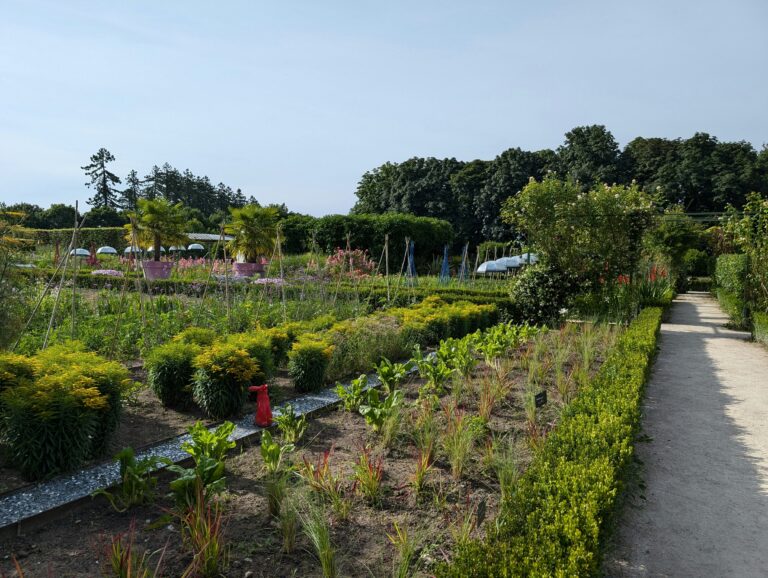
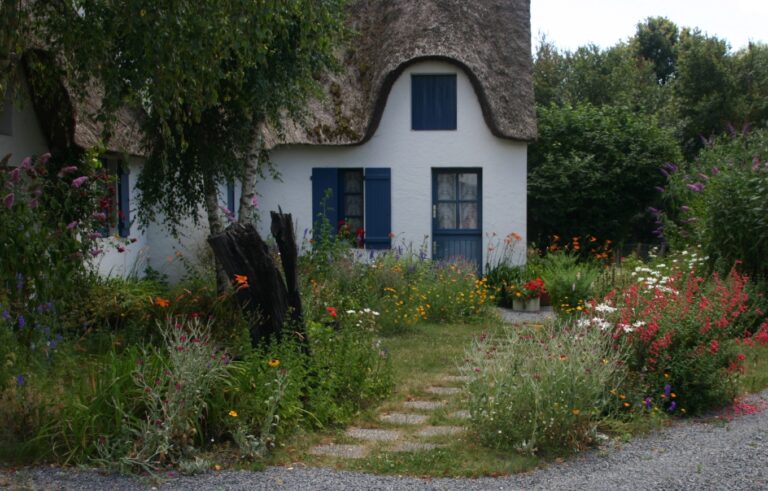
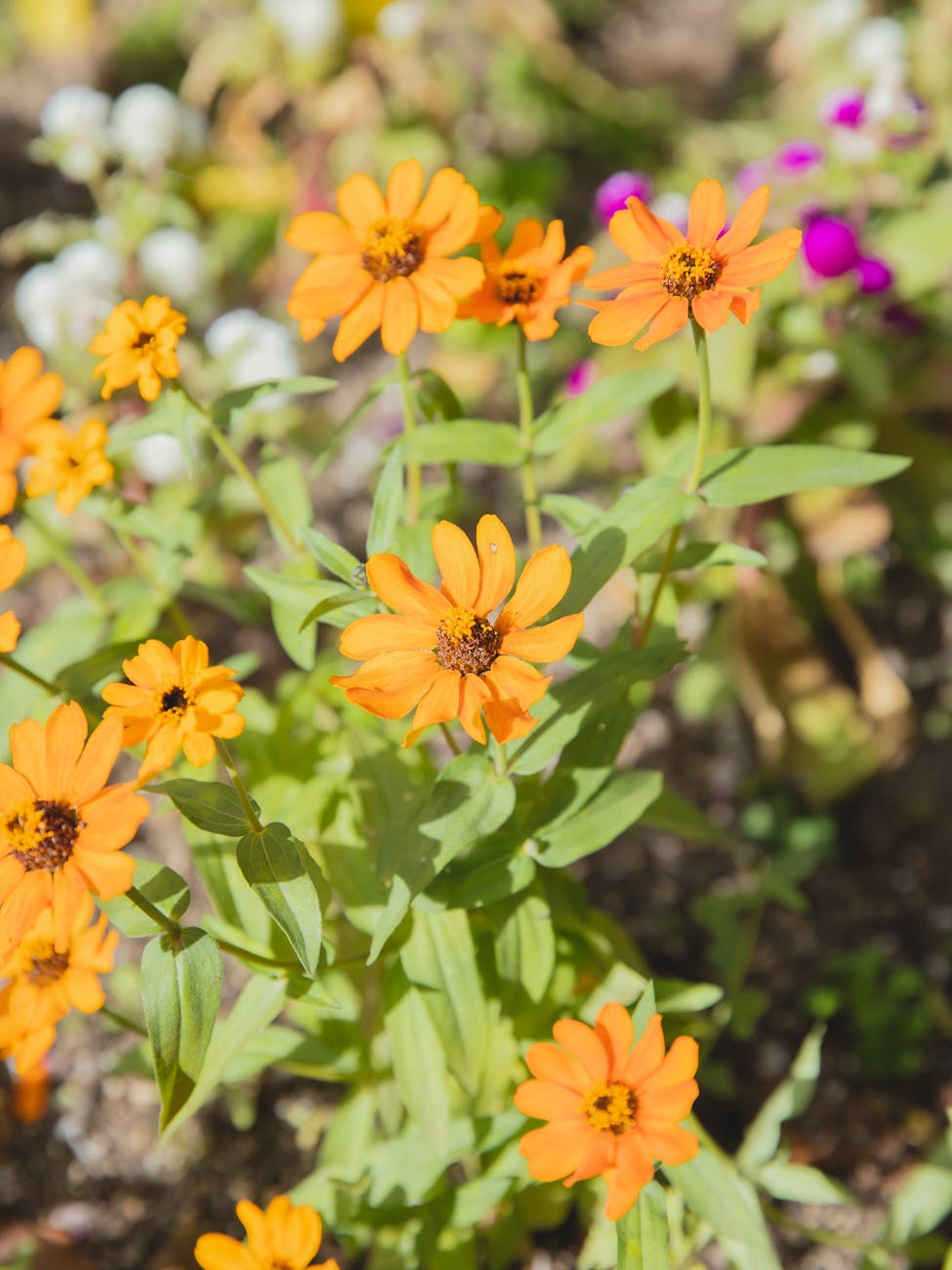
A pollinator-friendly garden can also look structured and visually appealing.
Common Mistakes to Avoid
One common mistake is planting only one kind of flower or planting mostly for appearance without thinking about bloom timing. A garden may look beautiful for a few weeks and then offer very little value for the rest of the season.
Another mistake is assuming that any bright flower automatically supports pollinators. Some highly ornamental plants are not especially helpful, even if they look impressive. That is one reason local and native plant guidance can be so useful.
A third mistake is trying to do too much at once. A pollinator-friendly garden can begin with one manageable bed or border. Starting small often leads to better plant choices and more realistic maintenance.
How to Start Small at Home
If you want to create a pollinator-friendly garden at home, start with one part of the yard that already gets decent light and is easy to observe. A front-bed border, a side-yard planting strip, or even a set of large containers can work.
Choose a few pollinator-supportive plants with staggered bloom times, group them together, and avoid overcrowding the space with too many unrelated choices. Once that area is established, you can expand over time.
If your yard is small, focus on quality rather than scale. A small garden with thoughtful plant choices is usually more helpful than a larger space with limited bloom variety or poor plant fit.
FAQ
What flowers attract pollinators best?
Flowers that provide reliable nectar and pollen, especially native plants suited to your area, are often among the best choices. Bloom variety across the season matters as much as the individual plant choice.
Do pollinator gardens look messy?
No. Pollinator gardens can be designed to look tidy, colorful, and intentional. Structure, repetition, and bed definition make a big difference.
Can I make a pollinator garden in a small yard?
Yes. Even a small bed, border, or container planting can support pollinators if it includes useful flowers and a thoughtful layout.
If you want to make the planting plan more intentional, How to Choose Native Plants for Your Yard can help with better plant selection, and Do Pollinator Gardens Need to Look Wild? shows how to support pollinators without giving up structure or visual order.
Conclusion
A pollinator-friendly garden at home does not have to be complicated. With better plant choices, bloom variety, and a few supportive habitat features, you can create a garden that is more useful to bees, butterflies, and other beneficial insects while still fitting a normal home landscape.
If you want to begin, the best first step is to choose one manageable area and plant with the full season in mind. A simple, well-planned start can grow into a much more supportive garden over time.