How to Choose Native Plants for Your Yard
A lot of people like the idea of using native plants, but they get stuck when it is time to choose actual plants for an actual yard. The advice often sounds simple at first: plant natives, support pollinators, and work with nature instead of against it. But once you start looking at plant lists, nursery labels, and garden inspiration, the decision can feel more confusing than expected.
The good news is that you do not need to know every native species in your region to make better choices. What you need is a practical way to narrow the options. When you choose native plants based on how your yard really behaves, the space usually becomes easier to maintain, more useful to pollinators, and more satisfying to live with over time.
Key Takeaways
- Choosing native plants starts with understanding your yard conditions, not picking plants by appearance alone.
- Sun, moisture, soil, size at maturity, and maintenance expectations matter more than trend-based plant lists.
- Starting with a few well-matched native plants is usually better than buying too many plants without a plan.
- Native plants can support pollinators and reduce long-term maintenance when they fit the site well.
- A practical native-plant yard should feel manageable, not like a complete redesign project on day one.
Why Native Plant Selection Feels Overwhelming at First
Native plants are often recommended as if the choice is obvious. In reality, most homeowners are trying to make decisions in a space with mixed sun, uneven moisture, limited time, and a lot of visual inspiration that does not explain why a planting works.
That is why native planting can feel harder at the beginning than it should. The issue is usually not a lack of good plant options. The issue is that people start by asking, “What native plants should I buy?” before asking, “What kind of yard do I actually have?”
If you want the broader why behind this approach, Benefits of Native Plant Landscaping for Sustainable Yards explains why native plants can be such a useful long-term choice.
Start With Your Yard Conditions
The first filter should always be the site itself.
Before choosing specific plants, look at the part of the yard where you want to plant and ask a few simple questions:
- how many hours of sun does it get
- does the area stay dry, stay moist, or shift a lot after rain
- is the soil loose, compacted, sandy, or heavy
- is the space exposed to heat, wind, or reflected sun from pavement or walls
- how much room is really available once the plants mature
This matters because even native plants still have preferences. A plant can be native to your broader region and still be a poor fit for a specific spot in your yard. Choosing based on site conditions first helps you avoid replacing stressed plants later.
Match Plants to How You Want the Space to Function
It also helps to be clear about what the planting area is supposed to do.
Some people want a front-yard bed that looks intentional and tidy. Others want a lower-maintenance border, a pollinator-friendly patch, a dry-area planting, or a soft edge around a fence or walkway. Those are different goals, and they may point you toward different kinds of plants.
Ask yourself:
- do you want flowers, structure, screening, ground cover, or a mix
- do you want the area to stay neat-looking through most of the season
- do you want more pollinator activity near vegetables or flowering beds
- do you want plants that can handle some neglect after they are established
If pollinator support is part of the goal, How to Create a Pollinator-Friendly Garden at Home is the best companion article to this one.
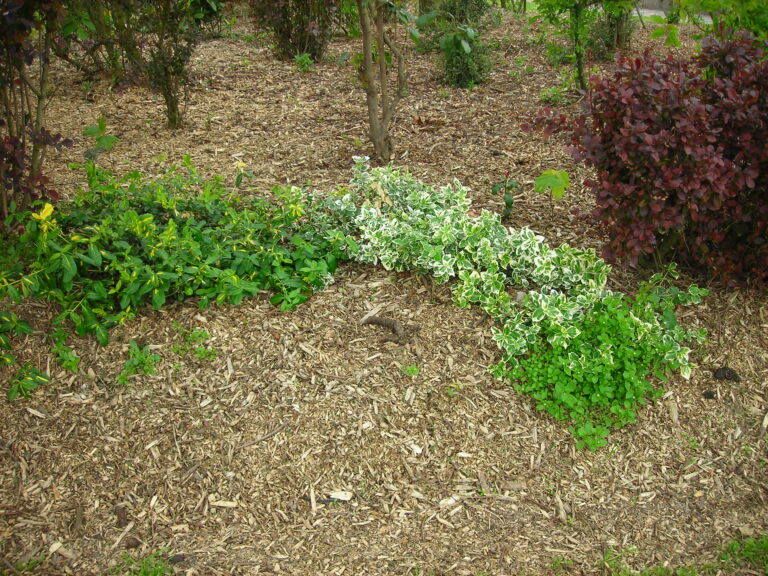
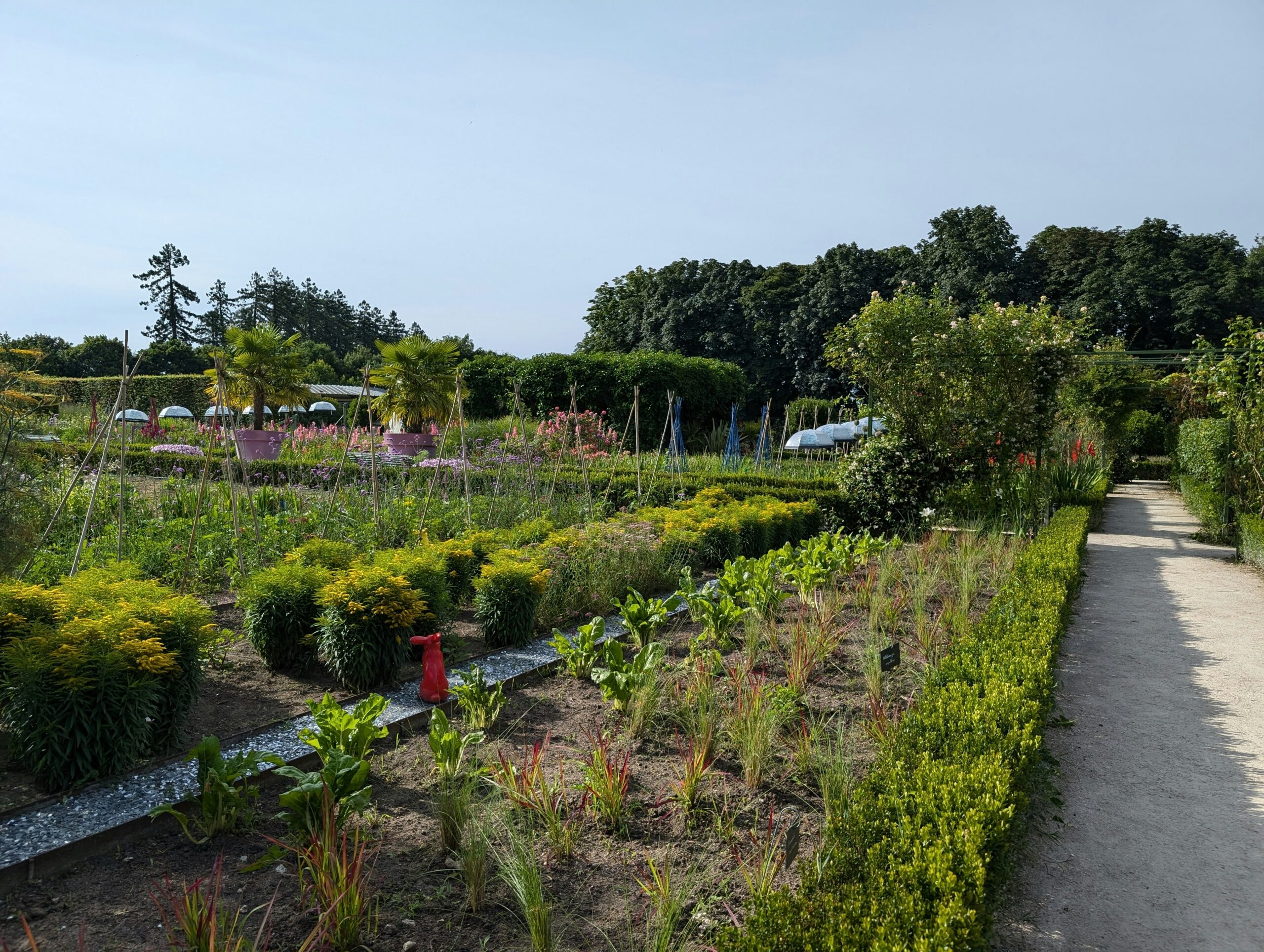
Comparing plant options side by side makes it easier to slow down and choose for site fit instead of impulse.
Think About Size, Spread, and Maintenance
One of the most common beginner mistakes is buying plants based on a bloom photo without thinking about what the plant becomes later.
A yard may look sparse on planting day and crowded one season later. Some native plants stay compact and easy to place. Others spread aggressively, flop in smaller spaces, or need more room than beginners expect.
Before choosing, it helps to look at:
- mature height
- mature spread
- whether the plant tends to clump, self-seed, or spread outward
- whether it benefits from seasonal cleanup, staking, or thinning
Native plants are often lower-input when they fit the site well, but lower-input does not mean zero maintenance. A better goal is choosing plants whose maintenance style matches your tolerance and schedule.
Prioritize Seasonal Interest and Pollinator Value
A good native planting usually works across more than one moment in the year.
Instead of choosing everything based on one bloom period, try to think in layers across the season. A mix of spring, summer, and later-season interest can make the space look fuller for longer and provide more useful habitat support over time.
It also helps to avoid relying on one color or one flower shape. Diversity in bloom timing and plant form often creates a stronger planting visually and ecologically. That does not mean the yard has to look wild. It means the planting should stay useful and interesting beyond a single peak week.
If you are aiming for a yard that stays practical and manageable, How to Start a Low-Maintenance Sustainable Garden offers a good system-level view of that tradeoff.
Start Small Instead of Replanting Everything
A lot of frustration comes from trying to turn the whole yard into a native landscape all at once.
That is rarely necessary. In fact, it is usually better to begin with one bed, one border, or one section that already has decent planting potential. This gives you a chance to see how the site behaves and how the selected plants actually perform before expanding.
Starting small also makes it easier to correct mistakes. If one plant is too tall, too floppy, or too thirsty for the spot, you learn that lesson in one area instead of across the entire yard.
This is one reason beginner gardens become more sustainable when the pace is slower and more deliberate. Common Mistakes New Gardeners Make When Trying to Garden Sustainably goes deeper on that pattern.
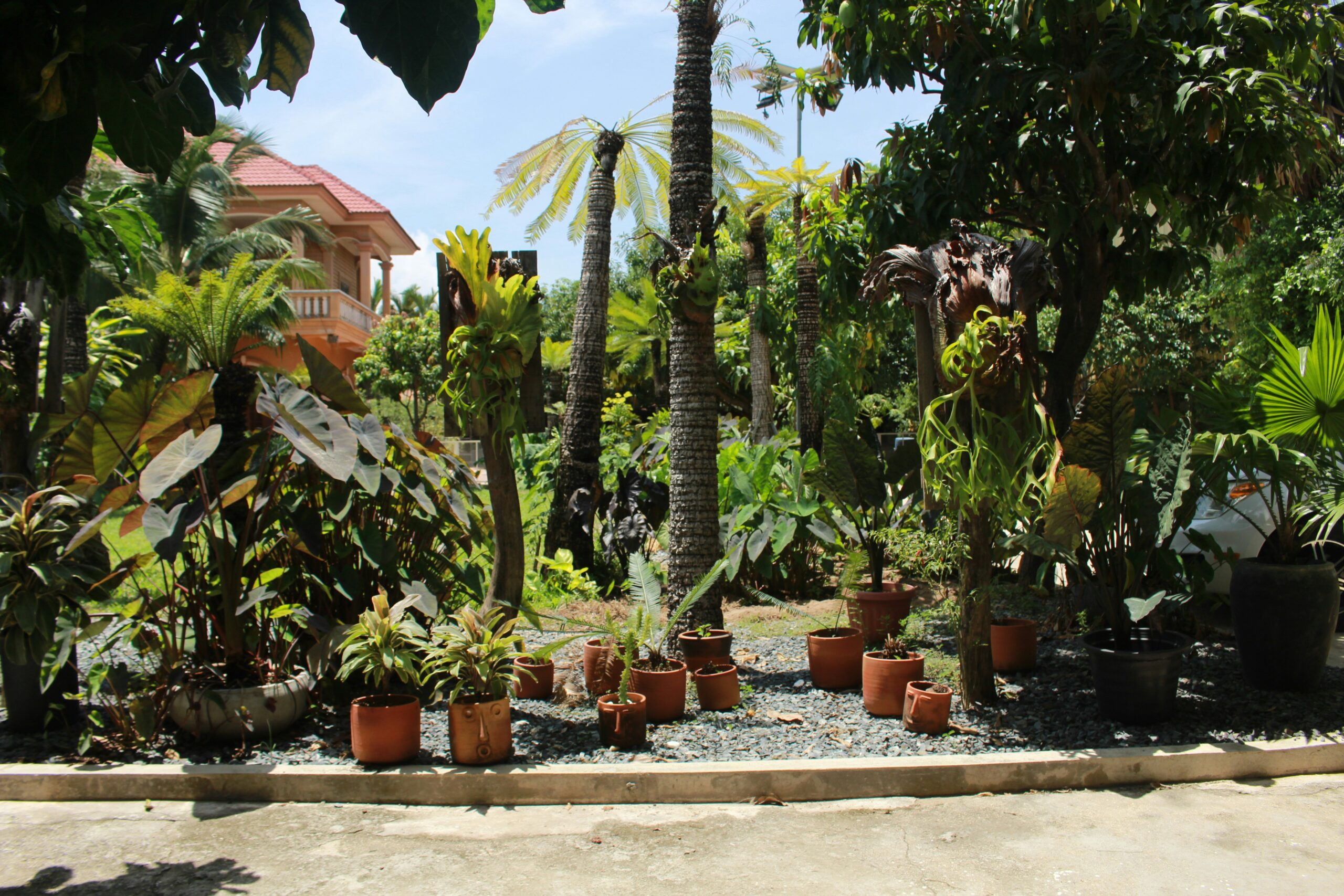
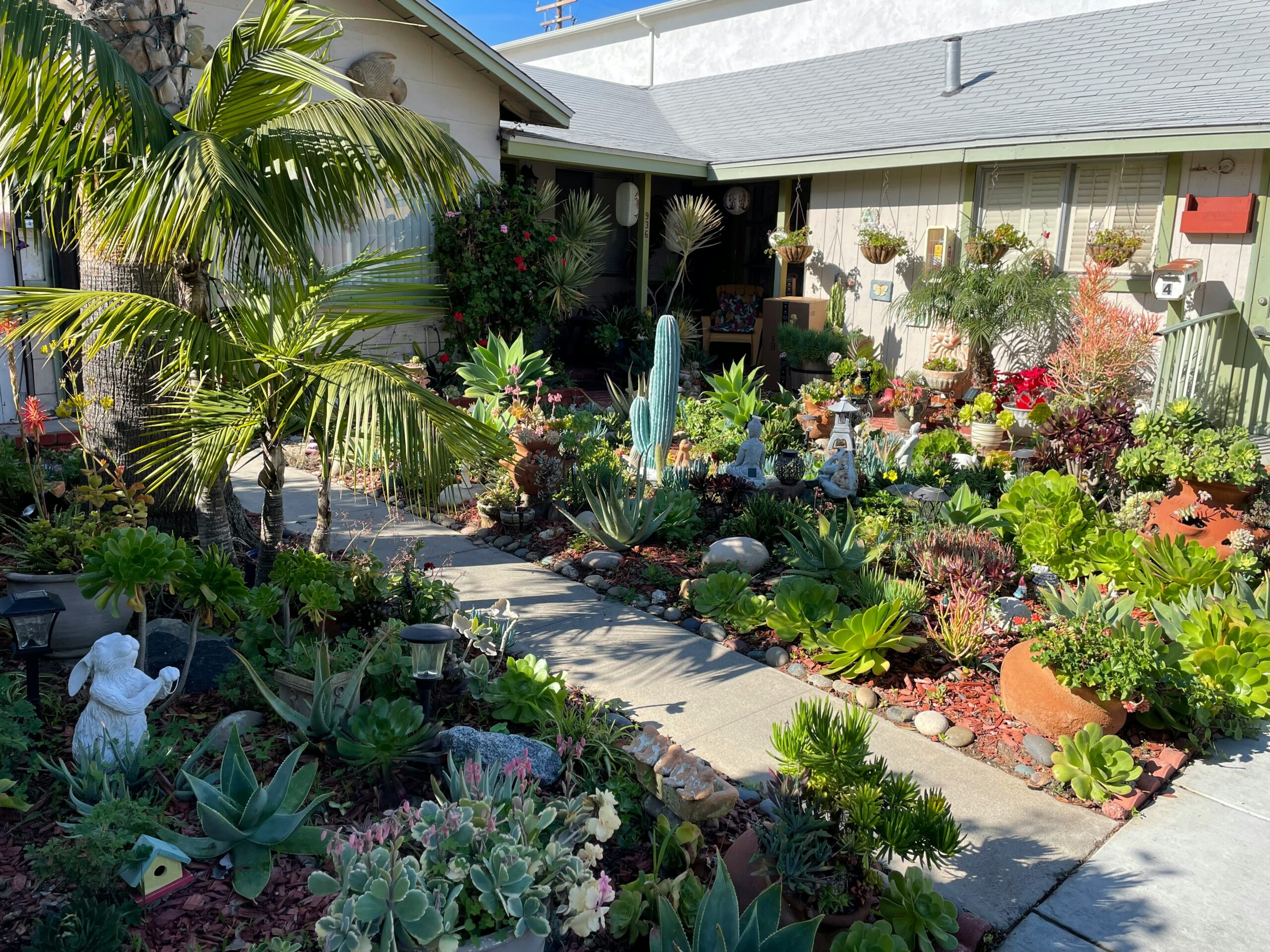
Starting with one planted area is usually enough to learn what works before expanding across the yard.
Common Mistakes to Avoid When Choosing Native Plants
There are a few mistakes that come up again and again:
Choosing by appearance alone
A plant may look beautiful in bloom and still be wrong for the site. Native planting works better when site fit comes before aesthetics, not after.
Assuming native means it works everywhere
A plant can be native somewhere in your region and still dislike the amount of sun, moisture, or space in your yard.
Ignoring mature size
Small nursery containers can hide how large or spreading a plant will become.
Buying too many plants too quickly
Without a clear plan, people often buy a mix of plants that do not work together visually or practically.
Expecting zero maintenance
Native plants can reduce inputs and support a healthier yard system, but they still need establishment care and occasional management.
A Simple Native Plant Selection Checklist
If you want a simpler way to decide, use this checklist before buying:
- Does this plant fit the sun level in the exact spot where I want to use it?
- Is the moisture level in that area reasonably compatible with the plant?
- Will the mature height and spread still work in this space?
- Does the plant support the purpose of the bed or border?
- Am I choosing it because it fits, or only because the bloom photo looked good?
- Do I have room for a few repeats of the same plant so the area looks intentional?
- Can I start with a smaller set and add more later if it performs well?
That process is not complicated, but it is much more useful than buying on impulse. Good native plant choices usually come from better filtering, not from buying more plants.
FAQ
How do I know which native plants are right for my yard?
Start with the conditions in the exact planting area: sun, moisture, soil, and space. Then narrow choices to plants that match those conditions and your goals for the space.
Do native plants look messy?
Not necessarily. Native plants can look neat and intentional when they are placed with structure, repeated thoughtfully, and matched to the scale of the space.
Should I replace my whole yard with native plants at once?
Usually no. It is often better to start with one manageable area, see what performs well, and expand gradually.
Conclusion
Choosing native plants for your yard gets easier once you stop treating it like a plant-shopping problem and start treating it like a site-matching problem.
When you pay attention to sun, moisture, space, maintenance expectations, and seasonal role, you make better decisions from the start. That usually leads to a yard that is easier to manage, more supportive of pollinators, and more satisfying over time.