Compost vs Mulch: What Each One Does in the Garden
Many gardeners hear the words compost and mulch so often that they start to sound interchangeable. They are not. Both can help your garden, but they do different jobs.
Compost is mainly used to improve the soil itself. Mulch is mainly used to protect the soil surface. When you understand that difference, it becomes much easier to decide what your garden needs and when to use each one.
Key Takeaways
- Compost improves soil structure, adds organic matter, and gives plants steady support from within the soil.
- Mulch helps conserve moisture, reduce weed pressure, and protect the soil surface from heat, rain, and drying wind.
- Compost is usually applied in a relatively thin layer, while mulch is usually applied in a thicker surface layer.
- In many gardens, compost and mulch work best together rather than as substitutes.
- The simplest rule is this: use compost to build soil and mulch to protect it.
Compost and Mulch Are Not the Same Thing
The easiest way to remember the difference is to think about where each material works.
Compost works mostly in the soil or right on top of it as a thin top-dressing. It is decomposed organic matter that helps improve soil structure, support soil life, and gradually contribute nutrients.
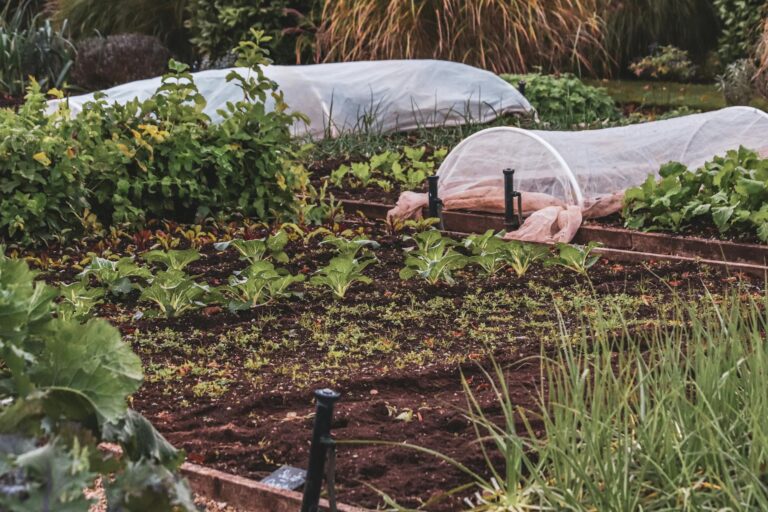
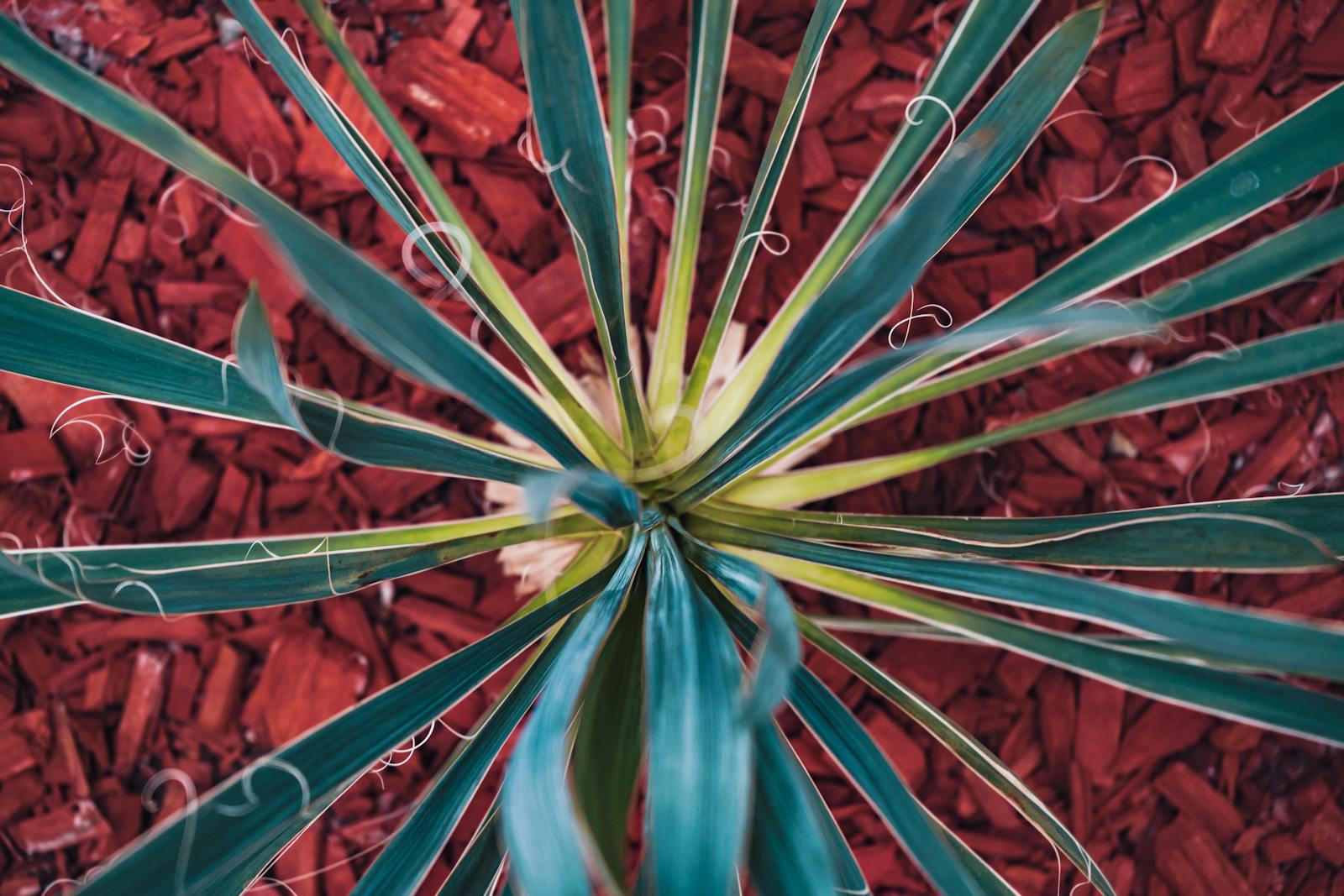
Mulch works mostly on top of the soil surface. It acts like a protective layer that helps hold in moisture, soften temperature swings, and make it harder for weed seeds to get established.
That means compost is not mainly about covering the soil, and mulch is not mainly about feeding the soil. Organic mulches can eventually break down and contribute some organic matter, but that is usually a slower secondary benefit. Their main job is surface protection.
Quick Comparison Table
| Material | Main Job | Best Use | Typical Placement |
|---|---|---|---|
| Compost | Improve soil health and add organic matter | Beds that need richer, looser, more biologically active soil | Mixed into soil or spread in a thin top-dressing |
| Mulch | Protect soil surface and reduce evaporation | Beds that dry out quickly, need weed suppression, or need temperature buffering | Laid on top of the soil in a thicker layer |
| Compost + mulch | Build soil and protect it at the same time | Most home garden beds, especially around vegetables, flowers, and shrubs | Compost first, mulch on top |
What Compost Does Best
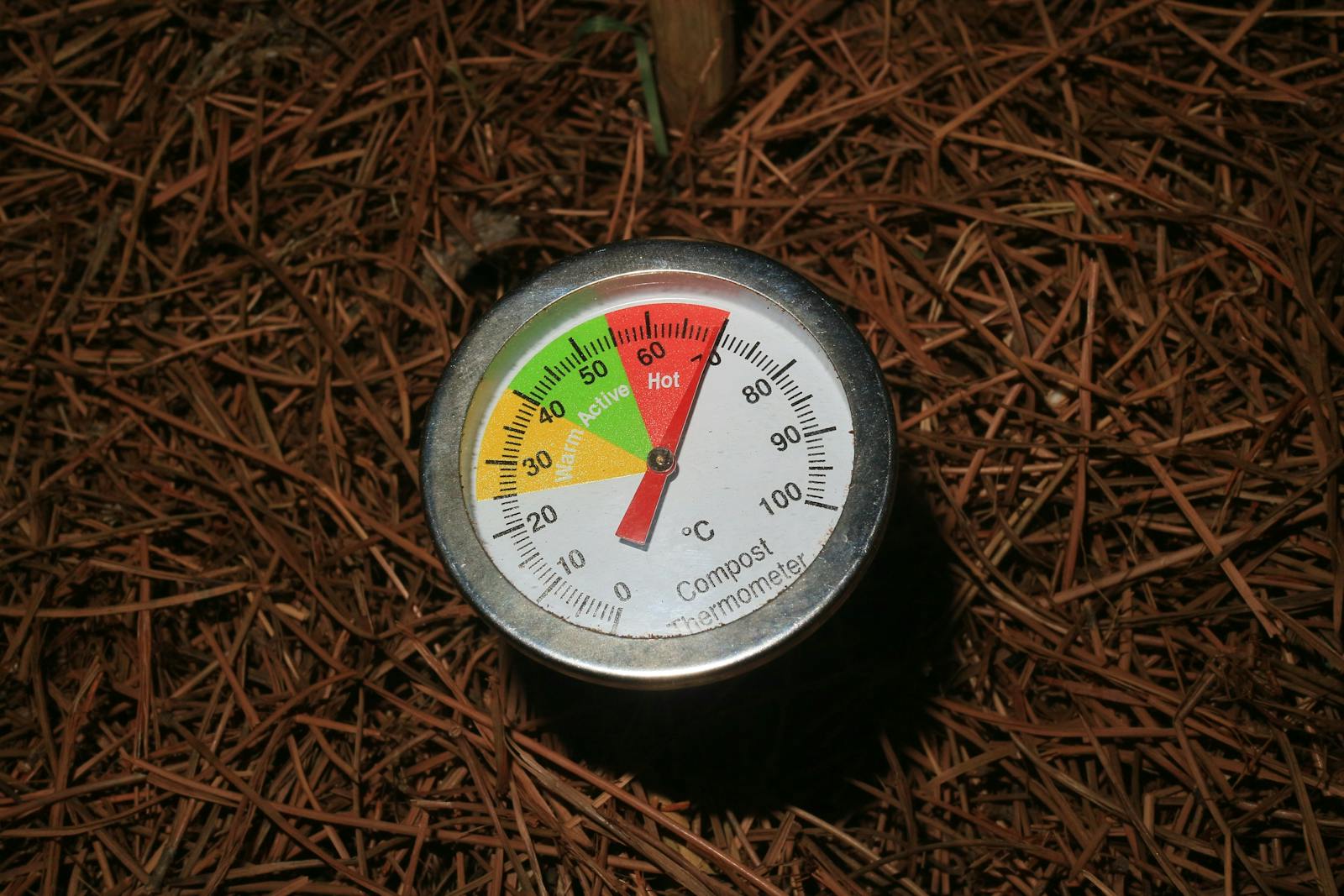
Compost helps most below the surface.
When you add finished compost to a bed, you are usually trying to improve the soil’s texture, organic matter, and ability to support healthy roots. In heavy soil, compost can help loosen the structure over time. In lighter soil, it can help hold moisture and nutrients more evenly.
Compost is also useful when a bed feels tired, compacted, or low in life. It supports the soil food web and gives plants a better growing environment than bare, depleted soil.
In practical terms, compost is a good choice when:
- a garden bed needs richer soil
- you are preparing a planting area before the season starts
- you want to top-dress around vegetables or flowers without burying the plants
- the goal is long-term soil improvement rather than short-term weed control
If you are already making compost at home, see How to Start Composting at Home and Beginner’s Guide to Composting Kitchen Scraps for the Garden for the basics.
What Mulch Does Best
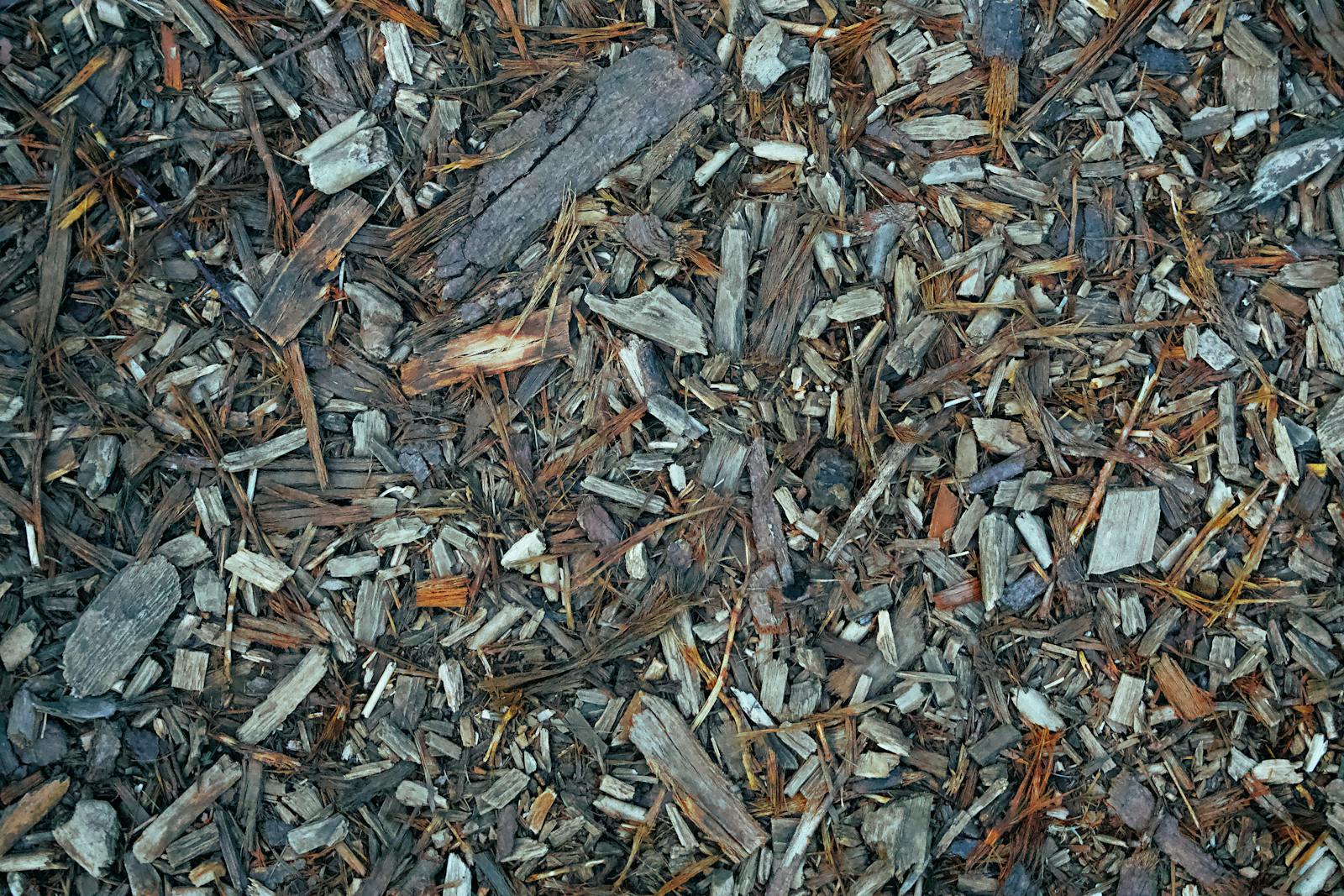
Mulch helps most at the surface, where weather and weeds create constant pressure.
A good mulch layer reduces direct sun and wind on the soil, which slows moisture loss. It also softens the impact of heavy rain, helps moderate temperature swings, and makes it harder for many weed seeds to sprout.
That is why mulch is often one of the simplest ways to make a garden easier to maintain. A mulched bed usually needs less frequent watering, less weeding, and less cleanup from soil splashing onto lower leaves.
Organic mulches such as shredded leaves, bark, straw, or wood chips can also break down over time. But if you are choosing mulch, the main reason is usually to protect the soil surface, not to quickly improve deep soil structure.
Mulch is especially useful when:
- the weather is getting hotter or drier
- weed pressure is high
- bare soil is crusting or drying out quickly
- you want a steadier root-zone environment around established plants
For a deeper look at surface protection and moisture management, Why Mulch Matters in a Sustainable Garden is the best related read.
When to Use Compost, Mulch, or Both
For many home gardens, the best answer is not compost or mulch. It is compost and mulch, used in the right order.
A practical approach looks like this:
- Add a modest layer of finished compost to the bed or around established plants.
- Water if needed so the soil and compost settle together.
- Add mulch on top to help protect that improved soil from drying, crusting, and weed pressure.
This approach works well because each material handles a different problem. Compost improves the root zone. Mulch protects the surface.
There are still times when you might use only one:
- Use compost only when you are lightly improving soil in an already mulched bed or feeding containers and raised beds that do not need a fresh mulch layer yet.
- Use mulch only when the soil is already in decent shape and your biggest issue is drying out, weeds, or exposed surface soil.
- Use both when you are refreshing a bed at the start of the season or trying to build healthier soil while also cutting maintenance.
If improving soil is the main goal, Best Ways to Improve Garden Soil Naturally and How to Use Compost in Your Garden Without Overdoing It pair well with this article.
Common Mistakes When Using Compost and Mulch
Treating them like they do the same job
This is the biggest mistake. Compost is not mainly a weed barrier, and mulch is not a fast fix for weak soil.
Using unfinished compost
If compost is still hot, raw, or full of recognizable undecomposed scraps, it is not ready to act like finished compost in a planting bed.
Applying mulch too thickly
Too much mulch can shed water, keep air from moving well at the surface, and create a soggy or overly dense layer in the wrong places.
Piling mulch against stems or trunks
Mulch should help protect plants, not stay pressed against stems, crowns, or tree trunks. Keep it pulled back slightly so moisture does not sit where it should not.
Expecting mulch to rebuild poor soil by itself
Organic mulch helps over time, but if your real problem is weak, compacted, or low-organic-matter soil, compost is usually the more direct tool.
FAQ
Can compost be used as mulch?
It can be used as a light surface top-dressing, and some gardeners do use compost that way. But it usually does not perform exactly like a thicker mulch layer that is meant to suppress weeds and slow evaporation more aggressively.
Do you need compost every year?
Not always in large amounts, but many beds benefit from periodic compost additions, especially vegetable beds and areas that are planted heavily or harvested often.
Should mulch touch plant stems?
No. Pull mulch back a little from stems, crowns, and trunks so the base of the plant stays less damp and crowded.
Conclusion
Compost and mulch both help a garden, but they help in different ways.
Compost improves the soil. Mulch protects the soil. Once that distinction is clear, choosing the right material becomes much simpler.
If your goal is stronger soil, reach for compost. If your goal is moisture retention, weed suppression, and surface protection, reach for mulch. In many cases, the most useful plan is to use a little of both and let each one do the job it does best.