Best Mulch Options for Different Garden Areas
If you have ever bought mulch and then realized you were not sure where to put it, you are not the only one. Gardeners are often told to mulch everything, but they are not always told that the best mulch for a vegetable bed is not necessarily the best mulch for a path, a shrub border, or a lower-maintenance native planting.
The right choice depends on what that part of the yard needs most. Some areas need quicker breakdown and soil improvement. Others need longer-lasting coverage and a tidier surface. When you match the mulch to the area, the garden usually looks better and takes less work to maintain.
Key Takeaways
- The best mulch depends on the garden area, not just the material itself.
- Finer organic mulches usually make more sense in vegetable and herb beds, while coarser wood materials often work better around trees, shrubs, and paths.
- Native and pollinator areas often benefit from a lighter, more natural-looking mulch approach instead of heavily decorative coverage.
- Poor mulch matches can hold too much moisture, bury seedlings, or create unnecessary cleanup.
- Choosing the right mulch once can reduce weeding, watering, and midseason corrections.
Why Mulch Choice Should Match the Area
Mulch does several jobs at once. It can help hold soil moisture, reduce weed pressure, moderate temperature swings, protect bare soil, and improve the look of a planting area. But different materials do those jobs differently.
A fine-textured mulch such as compost or shredded leaves usually settles into the soil system faster. That is useful in productive garden beds where soil improvement matters. A coarse mulch such as wood chips usually lasts longer and stays in place better, which makes it more useful in paths or around woody plants.
That is why the best mulch is usually not a single universal product. It is a small set of materials chosen for different parts of the yard.
Best Mulch for Vegetable and Herb Beds
Vegetable and herb beds usually do best with mulch that is easy to move, not too chunky, and compatible with regular planting and harvesting.
Good options often include:
- shredded leaves
- compost used as a light surface mulch or top-dressing
- clean straw in the right crops or rows
These materials are easier to work around when you are tucking in transplants, sowing seeds, or harvesting through the season. They also suit spaces where the soil is expected to stay active and productive rather than simply covered for appearance.
Wood chips can work in some vegetable-garden situations, especially on permanent paths between beds, but they are usually less convenient right around small annual vegetables and seedlings. Coarse chips can get in the way of close planting and do not feel as tidy in intensively used food beds.
If you want a clearer picture of when mulch helps and when compost plays a different role, Compost vs Mulch: What Each One Does in the Garden is the best companion article.
Best Mulch for Trees, Shrubs, and Perennial Borders
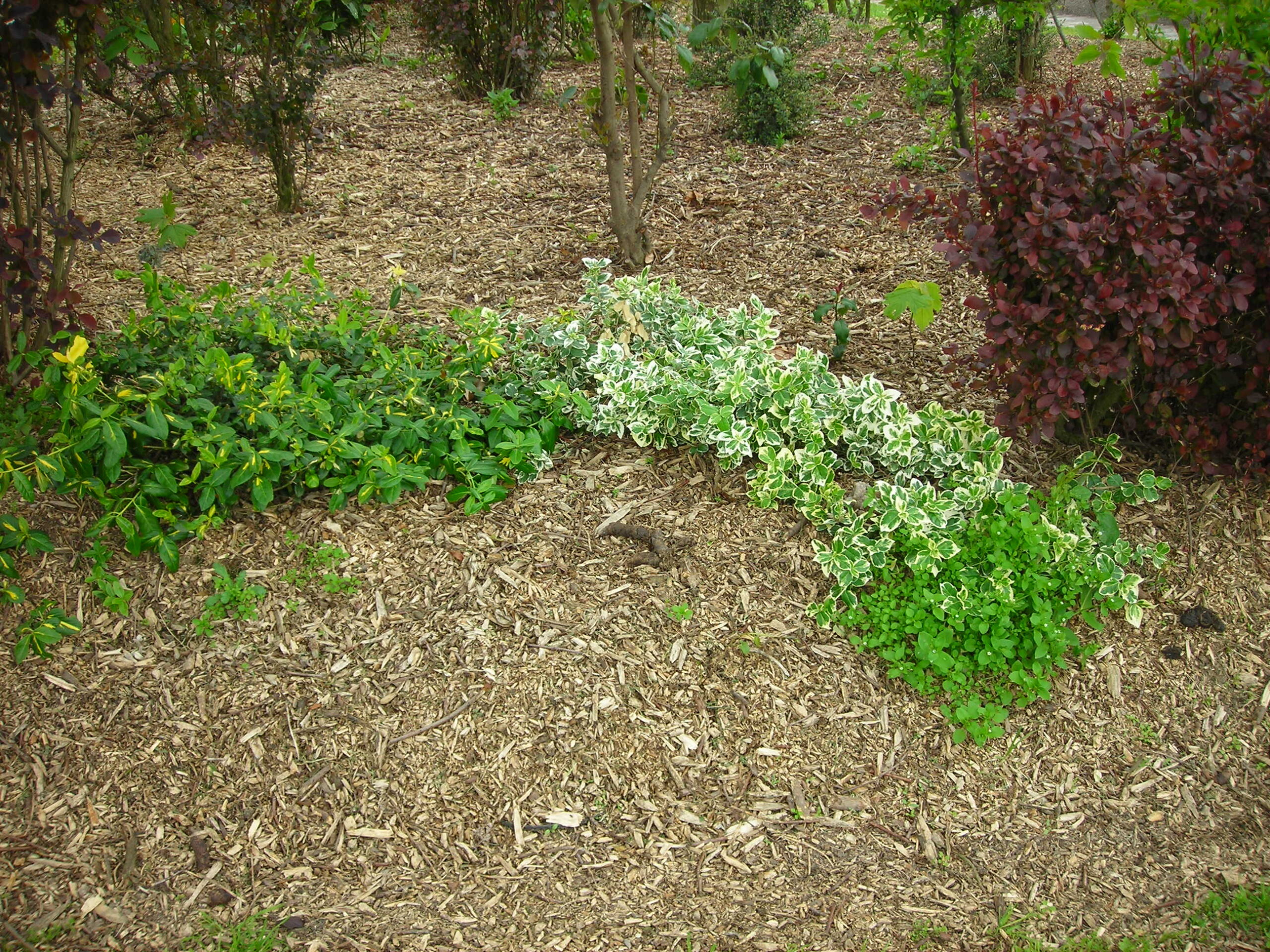
Around trees, shrubs, and established perennial beds, coarser organic mulch often makes more sense.
Shredded bark, arborist wood chips, and other wood-based mulches tend to stay put better and last longer than finer materials. That makes them useful in spaces where you are not constantly digging, reseeding, or reworking the soil surface.
These areas benefit from mulch that:
- suppresses weeds well
- keeps the root zone from drying too quickly
- looks reasonably neat for longer stretches
- does not need constant topping up
The main caution is simple: do not pile mulch against trunks or stems. A mulch ring is helpful. A mulch volcano is not.
Best Mulch for Garden Paths and High-Traffic Areas
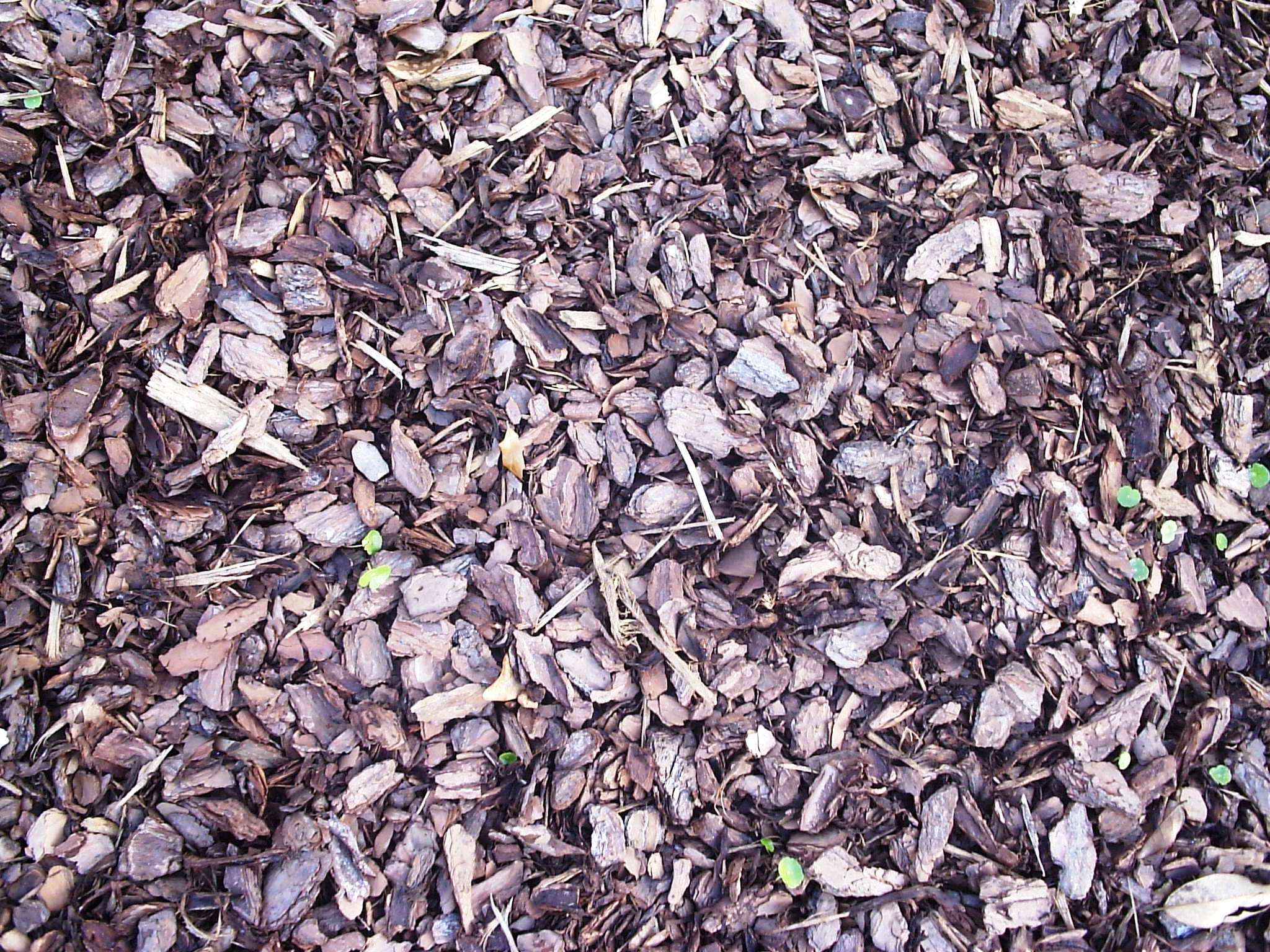
Paths are one of the easiest places to use coarser mulch well.
Wood chips are often the most practical choice here because they cushion foot traffic, define the route clearly, and usually last longer than finer mulches that scatter or disappear quickly. They also help keep mud down when paths would otherwise be bare soil.
This is one of the clearest examples of why material should match function. A mulch that is slightly too coarse for a vegetable bed may be ideal for the walkway beside it.
For gardens designed to need less watering and less constant upkeep, path mulching also supports the broader lower-input approach described in How to Start a Low-Maintenance Sustainable Garden.
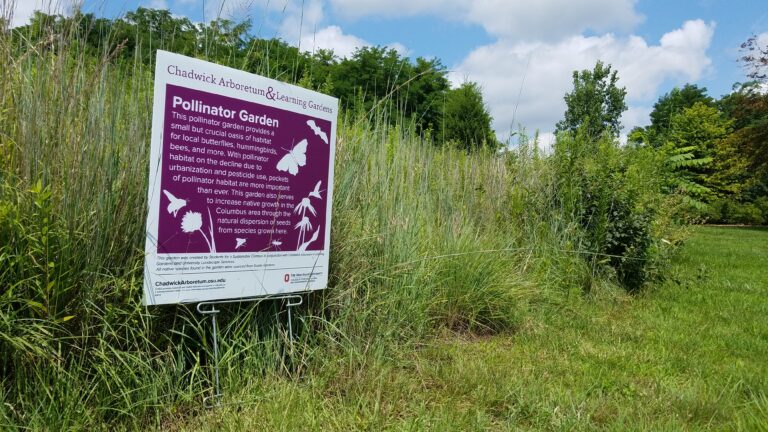
Best Mulch for Native and Pollinator Plantings
Native and pollinator beds often benefit from a mulch approach that feels less artificial and less heavy-handed.
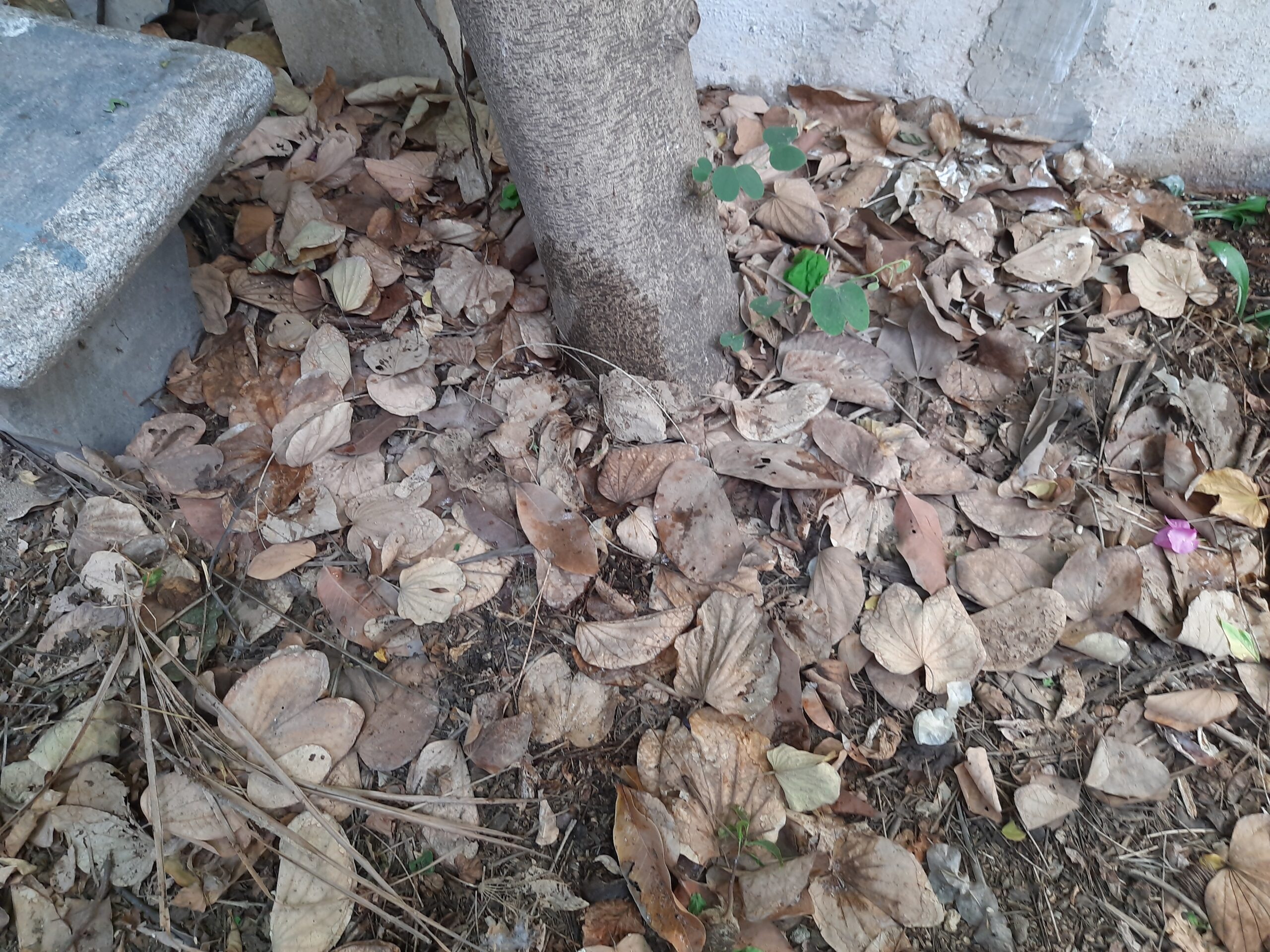
Shredded leaves, leaf mold, lighter wood chips, or a modest natural mulch layer can work well depending on how formal the planting is. In these areas, the goal is usually to protect the soil, limit aggressive weeds during establishment, and let the planting develop without looking over-managed.
A very thick decorative mulch layer can sometimes fight the character of this kind of bed. In many cases, a lighter and more natural-looking mulch fits better, especially once plants begin filling in.
If water conservation is also part of the goal, Drought-Tolerant Gardening Tips for Home Landscapes and Why Mulch Matters in a Sustainable Garden add helpful context.
Mulch Options to Use More Carefully
Some mulch materials are not wrong, but they need better judgment.
Fresh grass clippings
Grass clippings can be useful in thin layers, but thick wet mats can smell bad and block airflow. They are better treated as a limited-use material than a one-size-fits-all mulch.
Very coarse wood chunks in active beds
Large rough chunks can be fine in paths or around established shrubs, but they are awkward around seedlings and small vegetable crops.
Decorative dyed mulch everywhere
In highly visible beds, some homeowners like the finished look of dyed mulch. That is a preference choice, but it is not automatically the best fit for every productive or ecological planting area.
Rock or gravel used as if it were universal mulch
In some dry-climate designs, gravel has a place. But in many ordinary home-garden situations, it behaves very differently from organic mulch and does not give you the same soil-building benefits.
A Simple Mulch-Selection Cheat Sheet
Use this quick comparison when you are deciding what belongs where.
| Garden Area | Best Starting Options | Why It Works |
|---|---|---|
| Vegetable and herb beds | Shredded leaves, compost, clean straw | Easier to work around and better suited to regularly tended beds |
| Trees, shrubs, perennial borders | Arborist chips, bark mulch, coarse organic mulch | Lasts longer and suits less-disturbed planting areas |
| Paths and walkways | Wood chips | Handles traffic well and helps keep paths defined |
| Native and pollinator areas | Shredded leaves, lighter wood chips, natural mulch layer | Looks more natural and supports lower-input planting |
The simplest strategy is usually to keep two mulch types on hand rather than trying to force one material across the entire yard.
FAQ
Is wood mulch okay in vegetable gardens?
Sometimes, but it is usually better for paths or the edges of long-term beds than for the root zone of closely spaced annual vegetables. Finer mulches are often easier to manage where you plant and harvest frequently.
What mulch lasts the longest?
Coarser wood-based mulches usually last longer than finer materials such as compost or shredded leaves. That longer life is one reason they work well around shrubs, trees, and paths.
Can you mix mulch types in the same yard?
Yes. In fact, that is often the most practical approach. One mulch can serve productive beds while another serves paths, shrubs, or more structural landscape areas.
Conclusion
The best mulch is the one that matches the job.
If you choose finer, soil-friendly mulch for productive beds and coarser, longer-lasting mulch for paths and woody landscape areas, the whole garden usually becomes easier to manage. You spend less time correcting poor mulch choices and more time benefiting from moisture retention, weed suppression, and cleaner-looking beds.
Instead of asking for the single best mulch overall, ask which mulch best fits each part of your yard. That question usually leads to a better result.
Read next
- Why Mulch Matters in a Sustainable Garden
- Compost vs Mulch: What Each One Does in the Garden
- Best Ways to Improve Garden Soil Naturally
Image Credits
- Featured image: Garden mulch photo by Jmalo via Wikimedia Commons, licensed CC BY-SA 4.0.
- Body image 1: Wood mulch photo by Philipp Michel Reichold via Wikimedia Commons, licensed CC BY-SA 2.5.
- Body image 2: Natural mulch photo by Mohan Babu V via Wikimedia Commons, licensed CC BY-SA 4.0.