
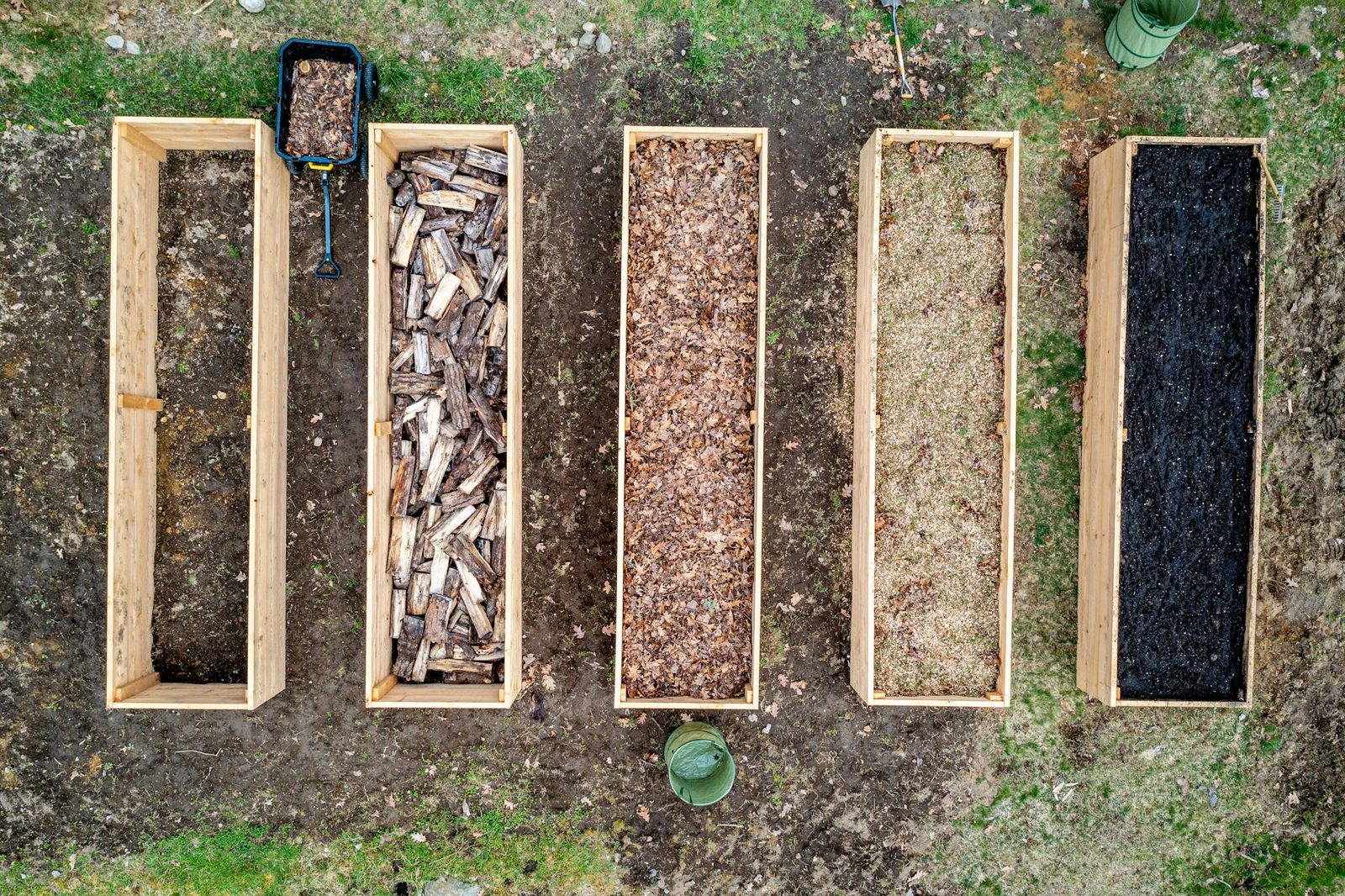
Mulch is one of the simplest tools for improving a garden, but it is often treated as an afterthought. In reality, mulch can play an important role in water conservation, soil protection, weed reduction, and long-term plant health.
In a sustainable garden, mulch matters because it helps the garden hold onto more of what it already has. Instead of fighting constant moisture loss and exposed soil, mulch helps create a more stable growing environment for plants.
Key Takeaways
- Mulch helps soil hold moisture and can reduce evaporation around plants.
- It can help moderate soil temperature and reduce weed pressure.
- Organic mulches can improve soil over time as they break down.
- The right mulch depth and placement matter as much as the mulch itself.
- Mulch is one of the simplest ways to support a more sustainable garden.
What Mulch Does in the Garden
Mulch is a protective layer placed on top of the soil around plants. It can be made from organic materials such as shredded bark, wood chips, straw, leaves, or compost, and it is often used to improve growing conditions without adding much complexity.
One of its most important jobs is reducing evaporation from the soil surface. When soil is left bare, it can dry out more quickly, especially in hot or windy conditions. Mulch helps slow that moisture loss.
Why Mulch Matters for Sustainability
A sustainable garden is not just about choosing the right plants. It is also about helping the entire system work more efficiently. Mulch supports that goal by helping gardens retain water, protect soil, and reduce the need for extra intervention.
That can make a meaningful difference over time. Gardens with mulched beds often need less frequent watering than gardens with exposed soil, and they may also experience less weed pressure and less soil stress.
Moisture Retention and Healthier Plants
One of the clearest benefits of mulch is moisture retention. By covering the soil, mulch helps hold water in the root zone for longer periods.
This can be especially useful during hot weather or dry spells. Instead of losing moisture quickly from the top layer of soil, the garden can stay more evenly moist. That can help reduce plant stress and support healthier roots.
Mulch does not replace good watering habits, but it can make those watering efforts work better.
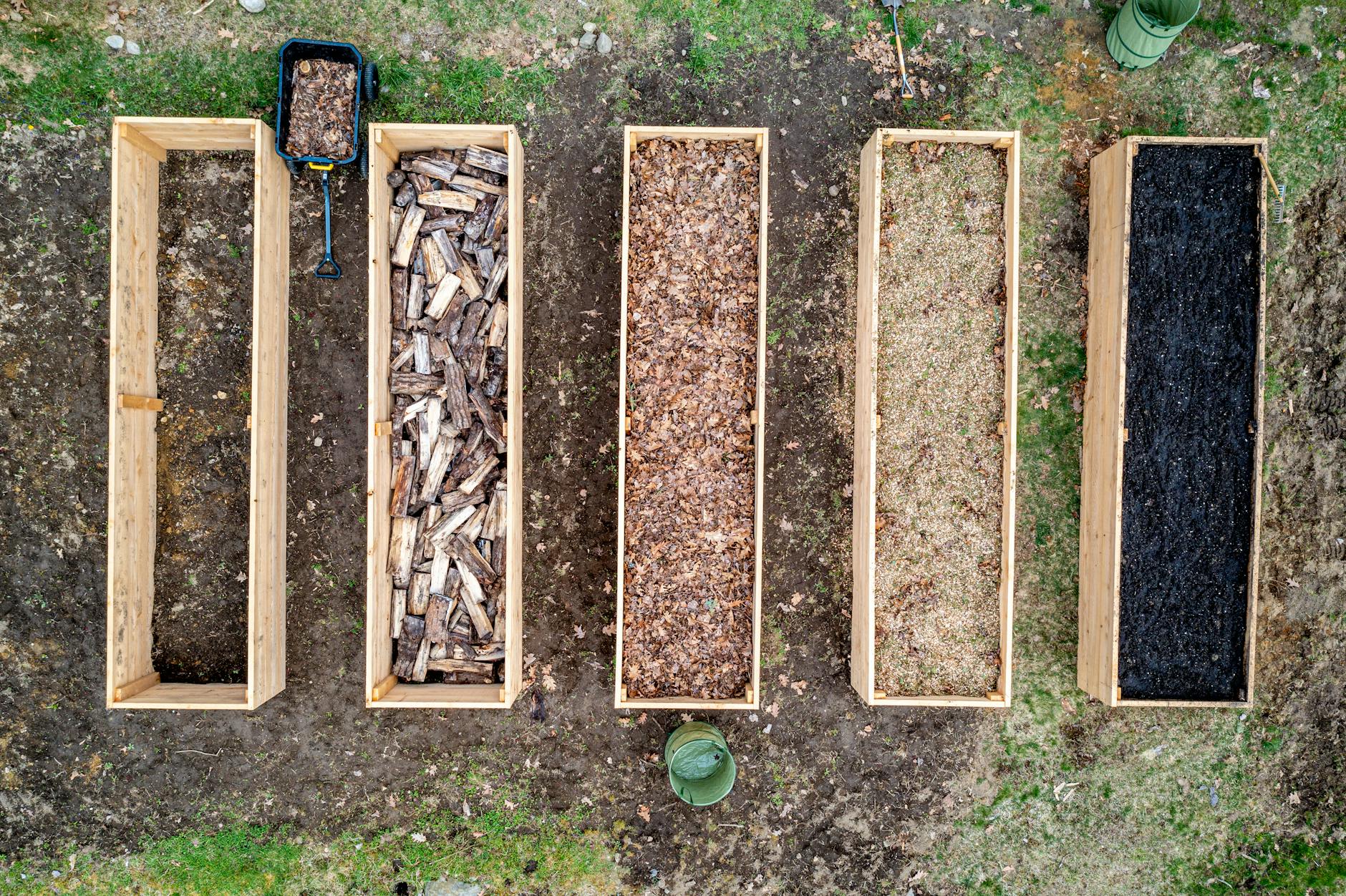
Even a simple mulch layer can change how the soil holds moisture.
Weed Control and Soil Protection
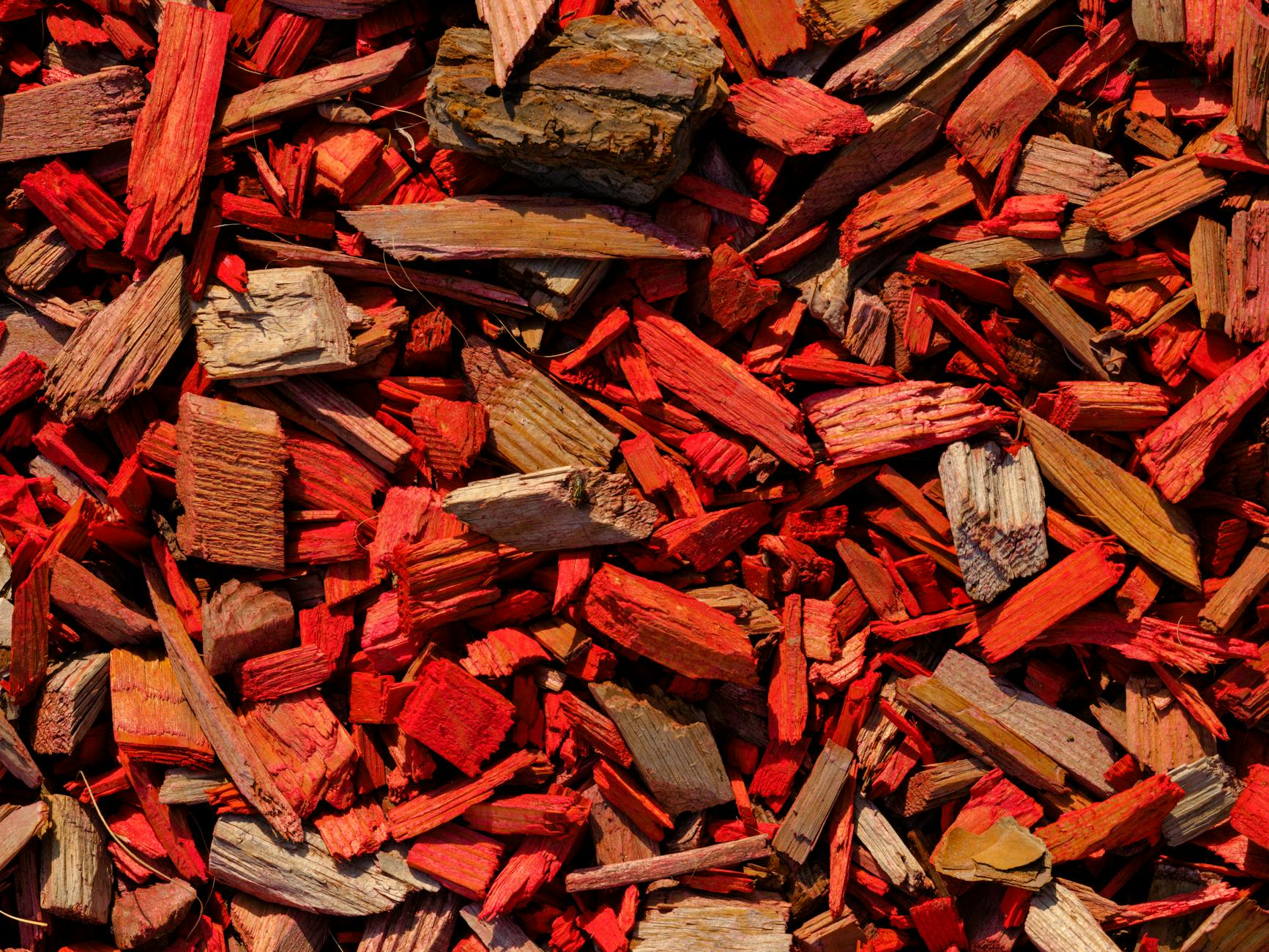
Mulch can also help suppress weeds by blocking light and making it harder for weed seeds to establish. This does not eliminate every weed, but it can reduce the amount of weeding needed over time.
It also helps protect soil from temperature swings, crusting, and erosion. Bare soil is more vulnerable to drying, compaction, and exposure. Mulch helps buffer those conditions.
Organic Mulch and Soil Improvement
Organic mulch has another advantage: it can improve soil gradually as it breaks down. Over time, that can support better soil structure and healthier biological activity.
This is one reason mulch fits so well in a sustainable-garden approach. It is not only helping the garden in the moment. It is also contributing to a stronger system over time.
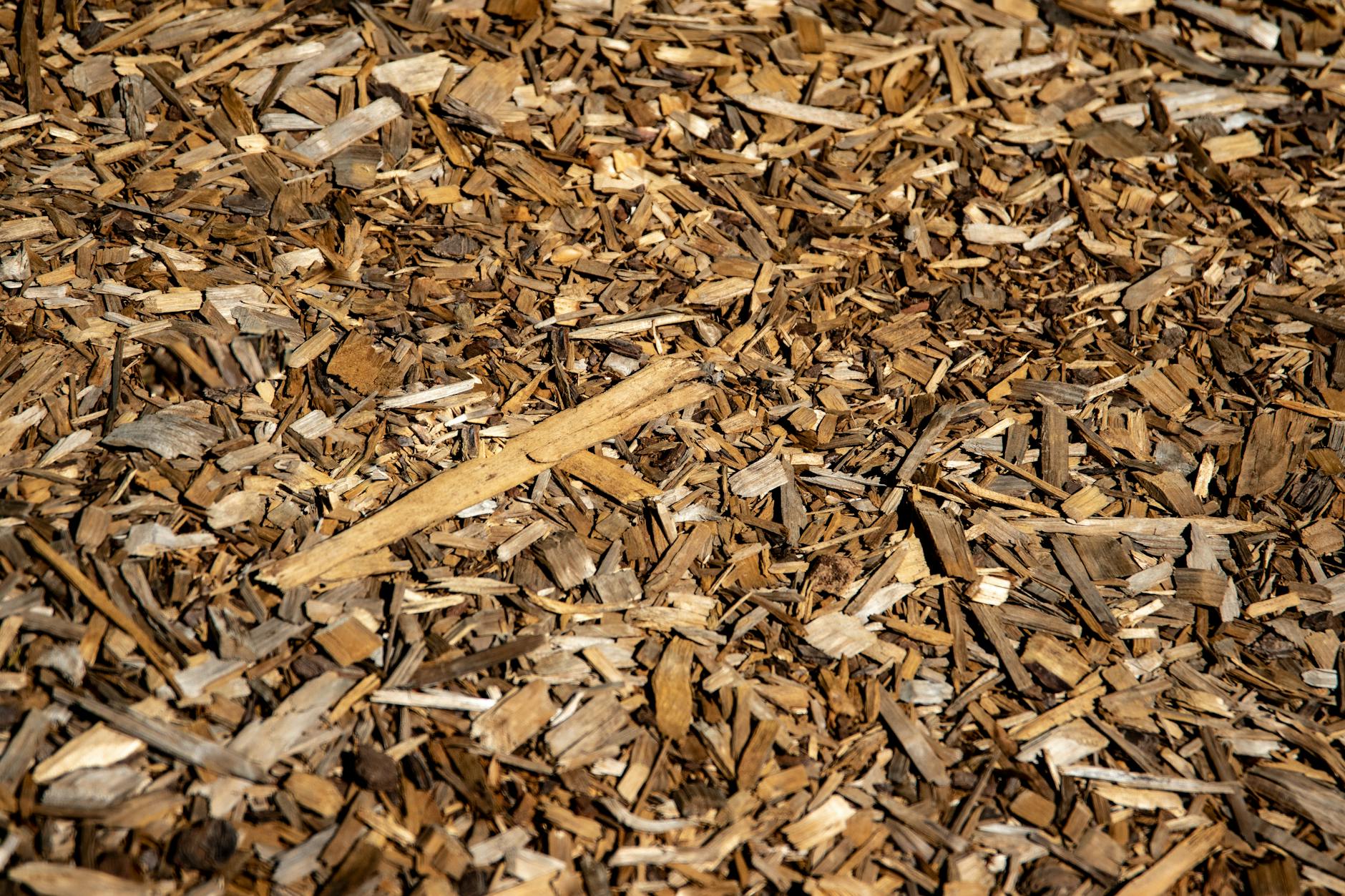
Mulch can be both practical and visually clean in a home landscape.
Common Mulching Mistakes to Avoid
One common mistake is using too little mulch to make a real difference. Another is piling mulch too deeply or pressing it directly against plant stems or tree trunks.
Mulch should support plant health, not create excess moisture against stems or encourage rot. Placement matters, and so does depth.
It is also important to choose mulch that fits the space. A vegetable bed, ornamental border, and shrub planting may not all benefit from exactly the same material.
How to Start Using Mulch More Effectively
If you are not already mulching, start with one area of the garden where the soil dries out quickly or weeds are a recurring problem. Add an appropriate layer of mulch and compare how the bed performs over time.
You can also improve existing mulched beds by checking whether the mulch layer is too thin, uneven, or pressed too close to stems. Small adjustments can make a big difference.
FAQ
What type of mulch is best for a sustainable garden?
The best mulch depends on the area and the plants involved, but organic mulches are often a strong choice because they can improve the soil over time.
Does mulch really reduce watering needs?
It can help reduce watering frequency by slowing evaporation and helping moisture stay in the soil longer.
Can mulch harm plants?
It can if it is applied too deeply or packed directly against stems or trunks. Good placement matters.
If you want to go deeper, Compost vs Mulch: What Each One Does in the Garden explains the difference between the two, and Best Mulch Options for Different Garden Areas helps you match materials to beds, shrubs, and paths more effectively.
Conclusion
Mulch matters in a sustainable garden because it helps the garden conserve water, protect soil, and support healthier plant growth with less waste. It is a simple practice, but its benefits can affect almost every part of the garden system.
If you want a more resilient and lower-input garden, mulch is one of the easiest improvements to make.
Read next
- Compost vs Mulch: What Each One Does in the Garden
- Best Mulch Options for Different Garden Areas
- Best Ways to Improve Garden Soil Naturally
Explore this topic
For more practical guidance around gardening, visit the Gardening hub.
- How to Keep Weeds Down Without Reaching for Herbicide
- Shade-Friendly Native Plant Ideas for Low-Maintenance Yards
- How to Water New Plants Until They Are Established
Image Credits
- Mulch around healthy plants in a garden bed optimized: Photo by Skyler Ewing via Pexels, licensed Pexels License.
- Mulch around healthy plants in a garden bed: Photo by Skyler Ewing via Pexels, licensed Pexels License.
- Close-up of mulch covering garden soil: Photo by Engin Akyurt via Pexels, licensed Pexels License.
- Mulched garden border in a home landscape: Photo by Magda Ehlers via Pexels, licensed Pexels License.