
If you want a yard that looks good, uses fewer resources, and supports local wildlife, native plant landscaping is worth considering. Native plants are species that naturally occur in your region, which means they are generally better adapted to local conditions than many ornamental plants brought in from elsewhere.
That does not mean native plants are a magic solution or that every conventional landscape choice is automatically wrong. But it does mean they can offer some practical advantages for homeowners who want a more sustainable yard. From reducing water use to supporting pollinators, native plant landscaping can make outdoor spaces more resilient and easier to manage over time.
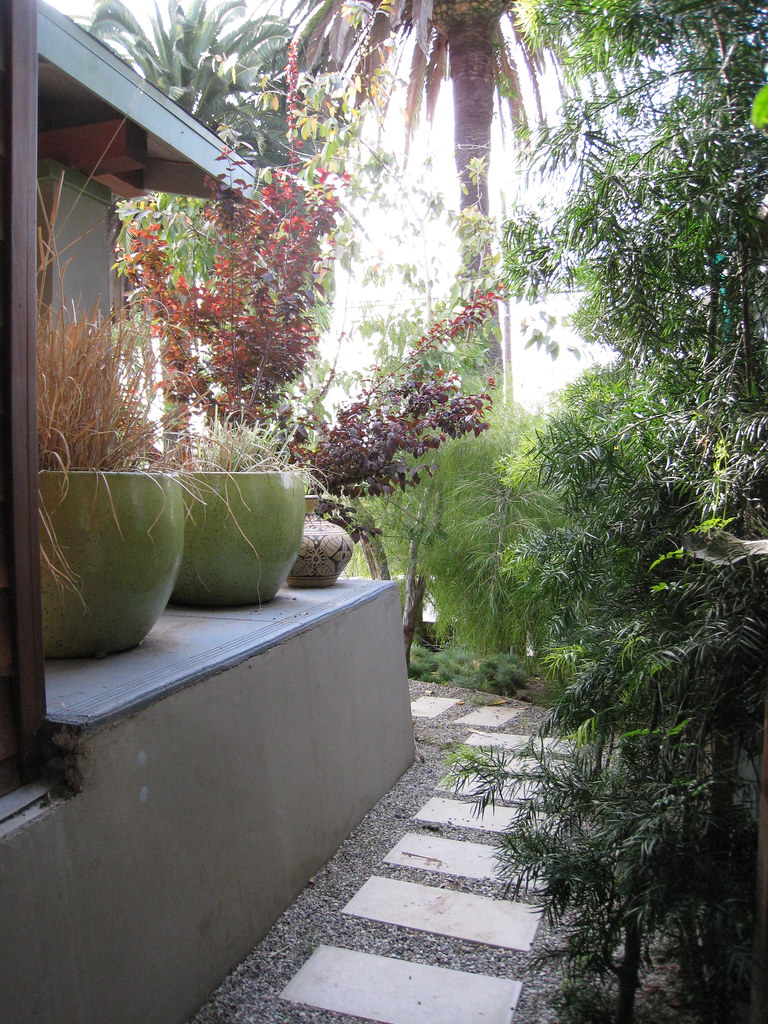
Key Takeaways
- Native plants are adapted to local conditions, which can help them perform well with fewer inputs once established.
- Native plant landscaping can reduce water needs and often lowers dependence on fertilizer or chemical treatments.
- Native flowers, grasses, and shrubs can support pollinators, birds, and other beneficial wildlife.
- You do not need to replace your whole yard at once; even a small native planting area can make a difference.
- The best results come from choosing plants that match your local soil, sunlight, and climate conditions.
What Native Plant Landscaping Means
Native plant landscaping uses plants that naturally belong to the local region instead of relying entirely on imported ornamentals or large areas of traditional turf grass. In practice, this can look very different from one yard to another.
For some homeowners, it may mean replacing part of a lawn with a pollinator-friendly planting bed. For others, it may mean using native shrubs along a property line, adding native grasses to a sunny border, or choosing native perennials around a patio.
The key idea is not that every plant must be native or that the landscape must look wild. A native-focused yard can still feel neat, attractive, and intentional. The goal is to make more of the landscape work with local ecology instead of against it.
Why Native Plants Can Make a Yard More Sustainable
One reason native plant landscaping is often considered more sustainable is that native species are already adapted to the climate patterns, rainfall, and seasonal changes of their region. That can make them better suited to local conditions than plants that require more irrigation, fertilizing, or ongoing intervention.
A more sustainable yard is not just about using fewer resources. It is also about building a landscape that is more resilient over time. When plants are better matched to the environment, they often handle weather swings, seasonal stress, and normal maintenance conditions more effectively.
This does not mean native plants never need care. New plantings still need watering while they establish, and every garden benefits from maintenance. But a well-planned native landscape can often become more self-supporting than a yard built around higher-input choices.
Main Benefits of Native Plant Landscaping
1. It can reduce water use
Many native plants are naturally adapted to local rainfall and soil conditions. Once established, that can mean less supplemental watering compared with landscapes filled with thirsty ornamentals or large areas of turf.
This is especially useful for homeowners trying to reduce outdoor water use without giving up a healthy, attractive yard. Native plants will not eliminate watering in every climate, but they can make a yard more efficient and less dependent on constant irrigation.
2. It can support pollinators and local wildlife
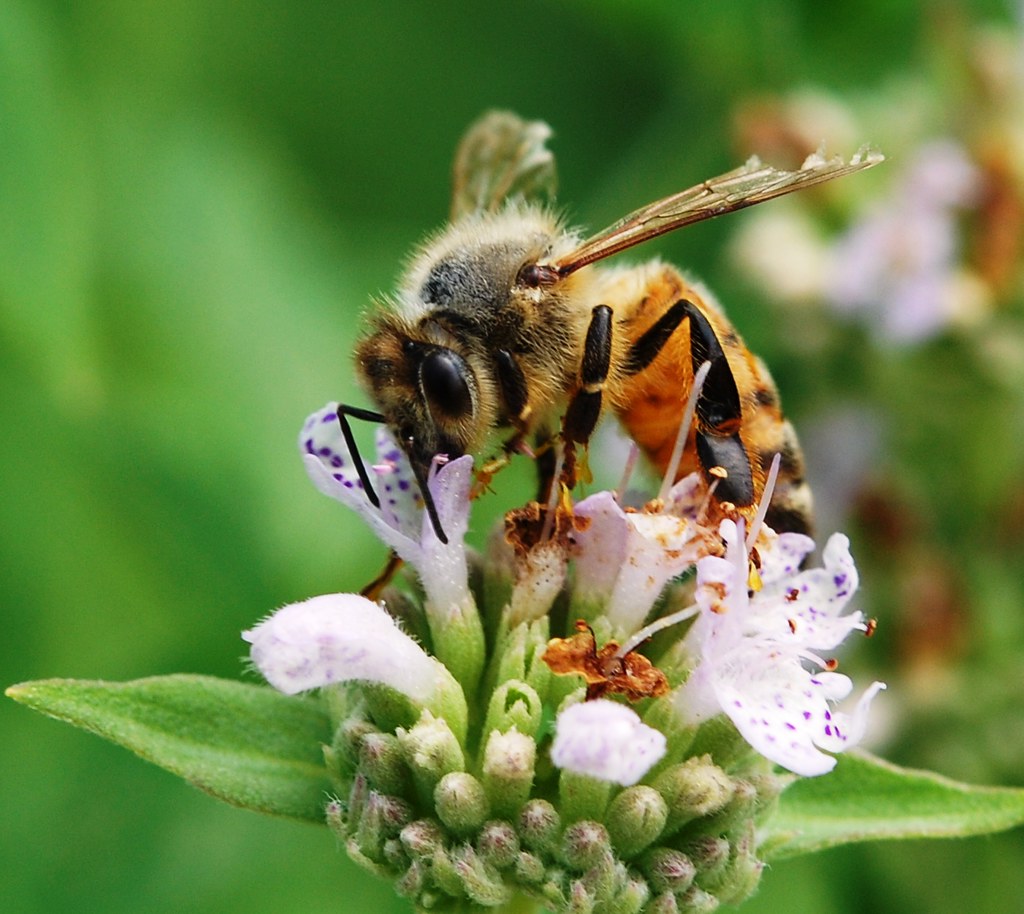
Native flowers, shrubs, and grasses can provide food and habitat for pollinators such as bees, butterflies, and other beneficial insects. In many cases, they also help support birds and other wildlife that depend on local plant communities.
For homeowners, this benefit is practical as well as ecological. A yard that attracts pollinators can contribute to healthier garden spaces and create a more lively, interesting landscape.
This is one of the most practical benefits of native planting for homeowners.
3. It can lower long-term maintenance in the right setting
One of the biggest appeals of native plant landscaping is the possibility of lower maintenance over time. That does not mean no maintenance. Beds still need weeding, trimming, and seasonal cleanup, especially while they are getting established.
But once a native planting is mature and well matched to the site, it may need less watering, less fertilizer, and less replacement planting than more demanding alternatives. That can make the yard easier to manage in the long run.
4. It can reduce dependence on high-input yard care
A sustainable yard often depends less on repeated fertilizer applications, heavy irrigation, and frequent chemical treatment. Native plants can help move a landscape in that direction because they are often better suited to local growing conditions.
That does not guarantee that every native planting will thrive without help. Plant selection still matters. But when the right plants are in the right place, the landscape may need fewer corrective inputs to stay healthy.
5. It can create a more resilient landscape
Yards go through stress. Weather shifts, heat, dry spells, heavy rain, and changing seasonal conditions all affect how plants perform. Native plants are often valued because they are more connected to those local patterns.
That can help create a yard that recovers better from normal environmental stress and remains useful and attractive over time. For homeowners interested in practical sustainability, resilience is one of the strongest arguments for using more native plants.
Common Misconceptions About Native Plant Landscaping
One common misconception is that native plant landscaping always looks messy or overgrown. In reality, native plants can be used in structured, attractive designs that fit a typical home landscape. Clean borders, defined planting beds, and thoughtful spacing can keep a native planting looking intentional.
Another misconception is that native plants are completely maintenance-free. That is not realistic. New plantings still require planning and care, and even mature landscapes need attention. The difference is that the work may become more manageable over time if the plants are well suited to the site.
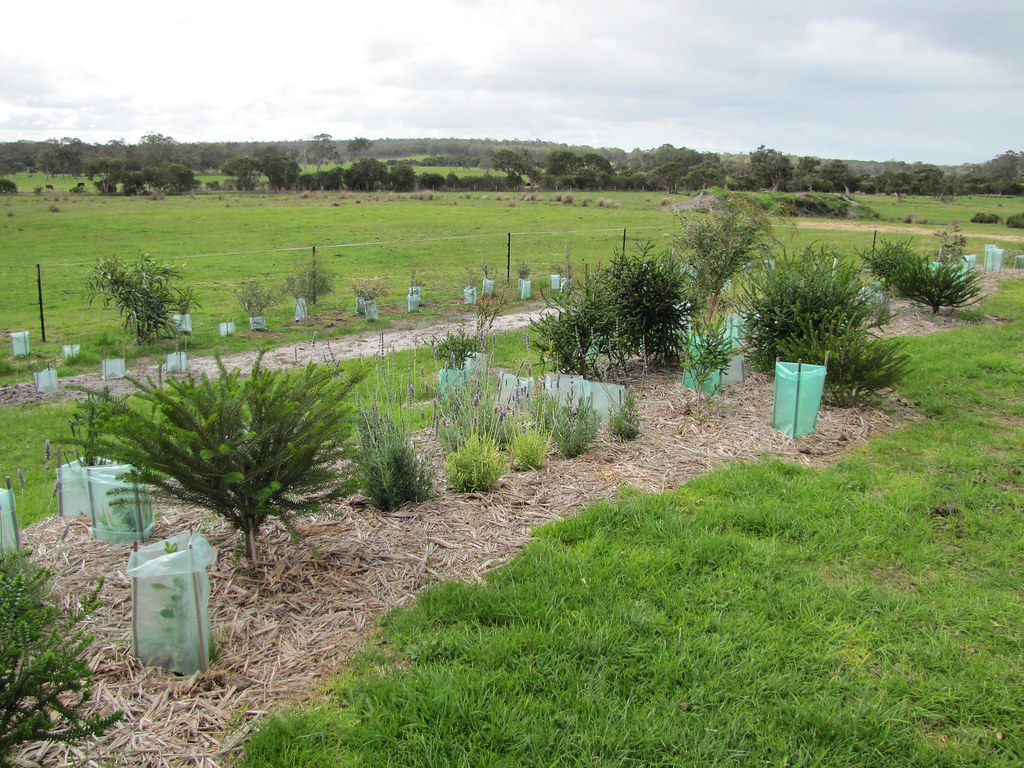
A third misconception is that homeowners have to replace the whole yard at once. That is rarely necessary. In many cases, a better approach is to start with one manageable area and learn what works.
A native-focused landscape also does not have to feel loose or unstructured.
How to Get Started Without Redoing the Entire Yard
If native plant landscaping sounds appealing, start small. A full yard conversion is not required.
A practical first step might be:
- replacing one planting bed with native flowers or grasses
- adding native shrubs along a fence or property edge
- creating a small pollinator patch in a sunny area
- reducing a hard-to-maintain section of lawn and replacing it with native plantings
Before choosing plants, pay attention to basic site conditions such as sunlight, drainage, and soil type. Native plants still need the right placement. A plant that is native to your region can still struggle if it is put in the wrong spot.
It also helps to think in stages. Instead of trying to finish everything in one season, treat the yard as a long-term project. That approach is often easier, more affordable, and more successful.
FAQ
Are native plants lower maintenance?
They can be lower maintenance over time, especially once established, but they are not maintenance-free. Good plant selection and proper placement still matter.
Do native plant landscapes have to look wild?
No. Native plant landscapes can be designed to look tidy, modern, and intentional. Layout and maintenance style make a big difference.
Can I add native plants without removing my entire lawn?
Yes. Many homeowners begin with one bed, border, or small planting area instead of redesigning the whole yard.
If you are thinking about where to begin, How to Choose Native Plants for Your Yard offers a practical plant-selection process, and Why Biodiversity Matters in Your Backyard explains the broader ecological value behind these choices.
Conclusion
Native plant landscaping can be a smart choice for homeowners who want a yard that is more resilient, more supportive of local wildlife, and less dependent on heavy inputs over time. It is not about creating a perfect yard overnight. It is about making practical improvements that work better with local conditions.
If you want a more sustainable yard, a good first step is to identify one area where native plants could replace a higher-maintenance or lower-value planting. Small changes can still create meaningful long-term benefits.
Read next
- How to Choose Native Plants for Your Yard
- How to Create a Pollinator-Friendly Garden at Home
- Why Biodiversity Matters in Your Backyard: Benefits for Homeowners
Explore this topic
For more practical guidance around gardening, visit the Gardening hub.
- How to Keep Weeds Down Without Reaching for Herbicide
- Shade-Friendly Native Plant Ideas for Low-Maintenance Yards
- How to Water New Plants Until They Are Established
Image Credits
- Native landscape design for a sustainable yard: Photo by Jeremy Levine Design via Flickr, licensed CC BY 2.0.
- Pollinator visiting native flowers: Photo by jbaker5 via Flickr, licensed CC BY 2.0.
- Native-style landscaping bed with layered planting: Photo by Red Moon Sanctuary via Flickr, licensed CC BY 2.0.