
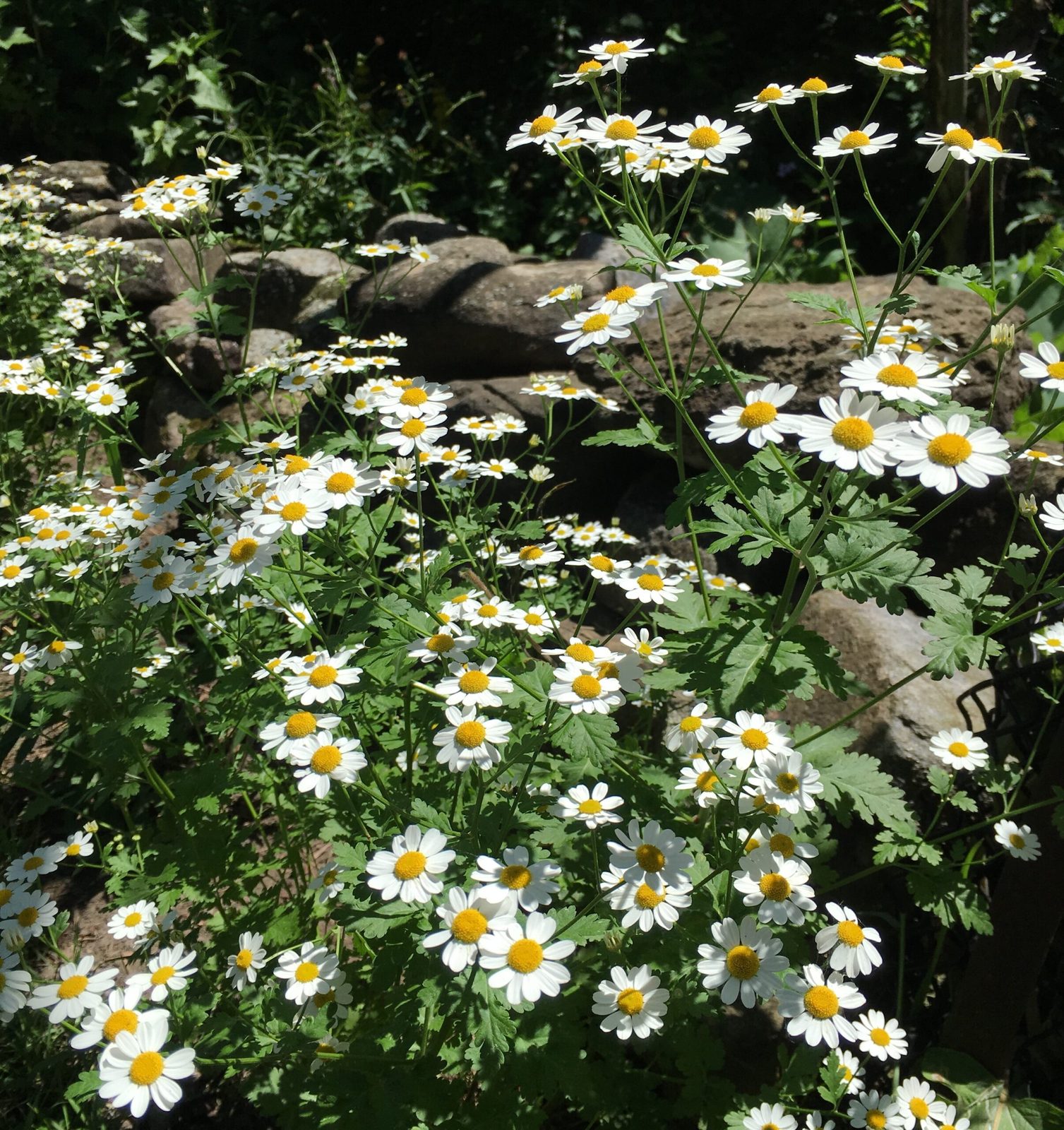
Backyard biodiversity is not just a conservation concept. For homeowners, it is a practical way to build a yard that is more resilient, more interesting, and less dependent on constant intervention.
A biologically diverse landscape supports a wider mix of plants, insects, birds, and soil life. That variety helps spread risk, improves soil function, supports natural pest control, and makes the yard better able to handle weather swings.
Key Takeaways
- A biodiverse yard is usually more resilient than a yard built around one dominant plant type or a large monoculture lawn.
- Plant diversity helps support beneficial insects, birds, and soil organisms that reduce pest pressure naturally.
- Healthier soil and varied root systems improve drainage, water retention, and long-term plant performance.
- Homeowners can increase biodiversity gradually by adding native plants, reducing pesticide use, and creating layered planting.
What Backyard Biodiversity Means at Home
Backyard biodiversity simply means including a wider range of living things in the same landscape. That includes trees, shrubs, perennials, groundcovers, pollinators, birds, fungi, and the soil organisms most homeowners never see.
In practice, this usually looks like a yard with different plant heights, bloom times, root depths, and habitat types instead of one uniform planting style. A more varied yard tends to function more like an ecosystem and less like a surface that must be constantly corrected.
Why Diversity Makes a Yard More Resilient
A yard dominated by one grass species or one narrow plant palette is easier for pests, disease, drought, or weather stress to disrupt. If one major element fails, a large part of the landscape can decline at once.
Diversity spreads that risk. Different species respond differently to heat, heavy rain, insects, and disease pressure. That means the whole yard is less likely to fail at the same time. This is one reason native-plant-focused landscapes often outperform more ornamental but fragile plantings over time.
If you want a deeper look at plant selection, see How to Choose Native Plants for Your Yard and Benefits of Native Plant Landscaping for Sustainable Yards.
Natural Pest Control Works Better in Diverse Landscapes
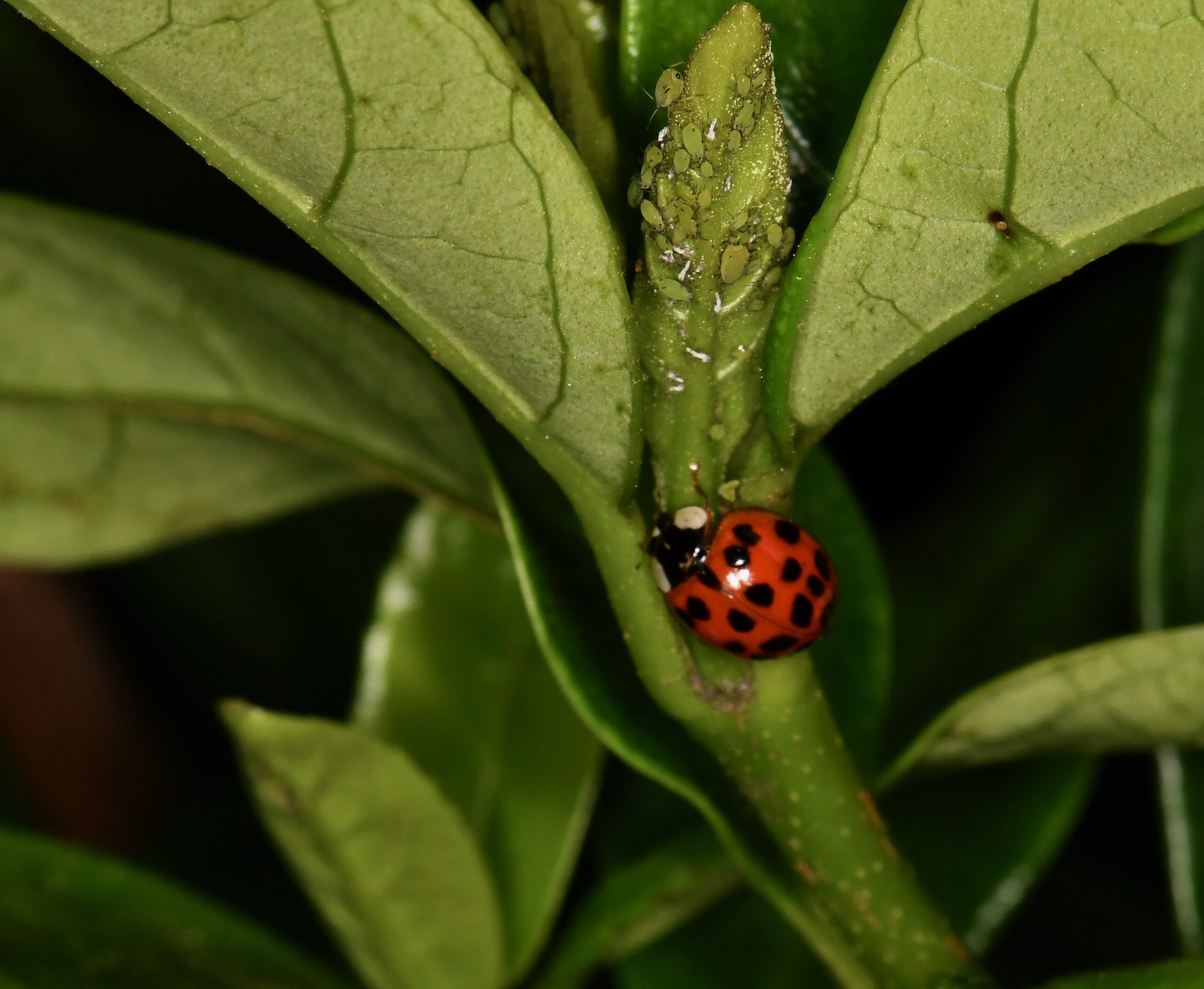
One of the most practical benefits of biodiversity is that it helps the yard support its own pest management. When a yard offers nectar, shelter, leaf litter, and a variety of plant structures, it becomes more hospitable to beneficial insects and insect-eating birds.
Lady beetles, lacewings, parasitic wasps, spiders, and birds can all help reduce pest outbreaks before they become severe. That does not eliminate every garden problem, but it can reduce how often a homeowner feels pushed toward broad pesticide use.
This aligns closely with How to Build a Garden That Supports Beneficial Insects and How to Make a Small Yard More Wildlife-Friendly.
Soil Biodiversity Is Part of the Story
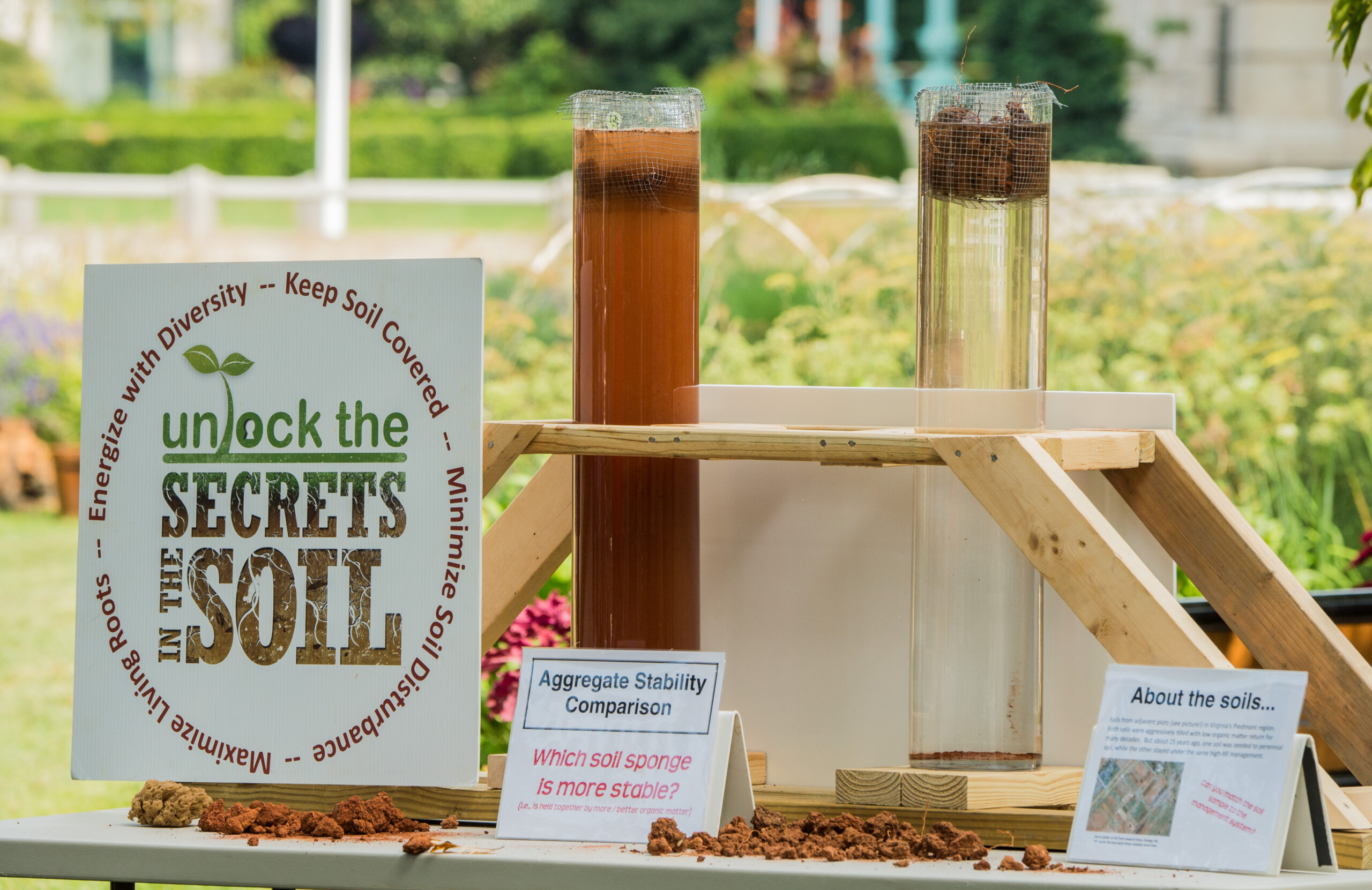
Biodiversity is not only about what happens above ground. A mixed planting with trees, shrubs, flowers, and mulch supports a more active soil ecosystem than a bare or heavily simplified yard.
Different root systems move through soil at different depths. Organic matter from leaves, stems, and mulch feeds microbes and fungi. Over time, that activity can improve structure, help water move into the soil more effectively, and support steadier plant growth.
For related guidance, see Best Ways to Improve Garden Soil Naturally and Compost vs Mulch: What Each One Does in the Garden.
Biodiverse Yards Often Use Water More Effectively
A yard with layered planting and healthier soil is often better at holding moisture and handling runoff than a simplified lawn-heavy landscape. Deep roots, mulch, and plant cover help slow evaporation and improve infiltration.
That matters during both drought and heavy rain. A biodiverse yard is not immune to weather stress, but it often recovers more gracefully because it is working with local conditions instead of fighting them.
For water-focused guidance, see How to Reduce Water Use in Your Garden Without Sacrificing Healthy Plants and Rain Barrels for Beginners: Are They Worth It for Home Gardens?.
Practical Ways to Increase Biodiversity Without Redesigning Everything
Homeowners do not need to replace the entire yard in one season. Small, deliberate changes are usually enough to start shifting the landscape in a healthier direction.
- Add one or two native shrubs or perennials that support pollinators.
- Reduce broad-spectrum pesticide use where possible.
- Leave some leaf litter or mulch under planting beds instead of keeping every surface stripped bare.
- Use a mix of plant heights and bloom times rather than repeating one plant everywhere.
- Replace pieces of lawn gradually in the areas that are hardest to maintain.
Conclusion
Backyard biodiversity matters because it makes a home landscape work better. A more diverse yard usually has stronger ecological backup systems, healthier soil, more useful insect activity, and better long-term resilience.
For homeowners, that translates into a landscape that can be both attractive and lower maintenance over time. The goal is not to make the yard look wild for its own sake. The goal is to make it more stable, more useful, and more alive.
FAQ
Does a biodiverse yard have to look messy?
No. Biodiversity and structure are not opposites. A yard can have clean edges, defined beds, and a controlled layout while still using a wide variety of plants and habitat-supporting features.
Will biodiversity increase pests?
Sometimes a more natural yard includes more insect activity overall, but that is not the same as having worse pest pressure. A more balanced landscape also supports more predators and beneficial organisms.
What is the easiest first step for beginners?
Replacing a few conventional plants with locally appropriate native plants is often the simplest starting point. It adds diversity without forcing a full redesign.
Read next
- How to Build a Garden That Supports Beneficial Insects
- Benefits of Native Plant Landscaping for Sustainable Yards
- How to Make a Small Yard More Wildlife-Friendly
Explore this topic
For more practical guidance around gardening, visit the Gardening hub.
- How to Keep Weeds Down Without Reaching for Herbicide
- Shade-Friendly Native Plant Ideas for Low-Maintenance Yards
- How to Water New Plants Until They Are Established
Image Credits
- Featured image: photo by Ross Dunn via Wikimedia Commons, licensed CC BY-SA 2.0.
- Natural pest control image: photo by Lululululubaby via Wikimedia Commons, licensed CC0.
- Soil image: photo by U.S. Department of Agriculture / Lance Cheung via Wikimedia Commons, licensed Public domain.
- RG-021 Featured – Backyard Biodiversity Garden optimized: A layered backyard planting shows how biodiversity can look intentional and attractive at home. Photo by Ross Dunn via Wikimedia Commons, licensed CC BY-SA 2.0.
- RG-021 Body 1 – Ladybug Eating Aphids: Predatory insects like ladybugs help keep pest populations in check in a biodiverse yard. Photo by DAVID S. FERRY III from PLANT CITY,FL., U.S.A. via Wikimedia Commons, licensed CC0.
- RG-021 Body 2 – Soil Health Roots Garden: Healthy soil supports diverse roots, microbes, and water movement below the surface. Photo by U.S. Department of Agriculture Lance Cheung/Photojournalist/USDA/Lance Cheung via Wikimedia Commons, licensed Public domain.