
Introduction
Many gardeners like the idea of “natural pest control,” but beneficial insects do not stay in a yard just because we want them to. They stay when the garden gives them what they need: food, shelter, water, and a place to survive beyond one short bloom season.
That matters because beneficial insects do real work in a healthy garden. Some pollinate flowers. Some feed on aphids and other soft-bodied pests. Some lay eggs in or on host insects and help keep outbreaks from getting worse. Others help break down organic matter. Together, they make a garden more balanced and less dependent on constant intervention.
The goal is not to create a perfectly pest-free yard. The goal is to build a garden where helpful insects can stick around long enough to matter.
Key Takeaways
- A beneficial-insect-friendly garden needs food, shelter, water, and fewer broad-spectrum pesticide hits.
- Diverse flowering plants with staggered bloom times support more helpful insects than a one-season burst of color.
- Some beneficial insects help as adults, some as larvae, and some do both, so your garden should support multiple life stages.
- Leaving a little leaf litter, stems, and undisturbed habitat can matter as much as adding new flowers.
- The goal is not to eliminate every pest instantly, but to build enough ecological balance that outbreaks are less severe.
What Beneficial Insects Actually Do in a Garden
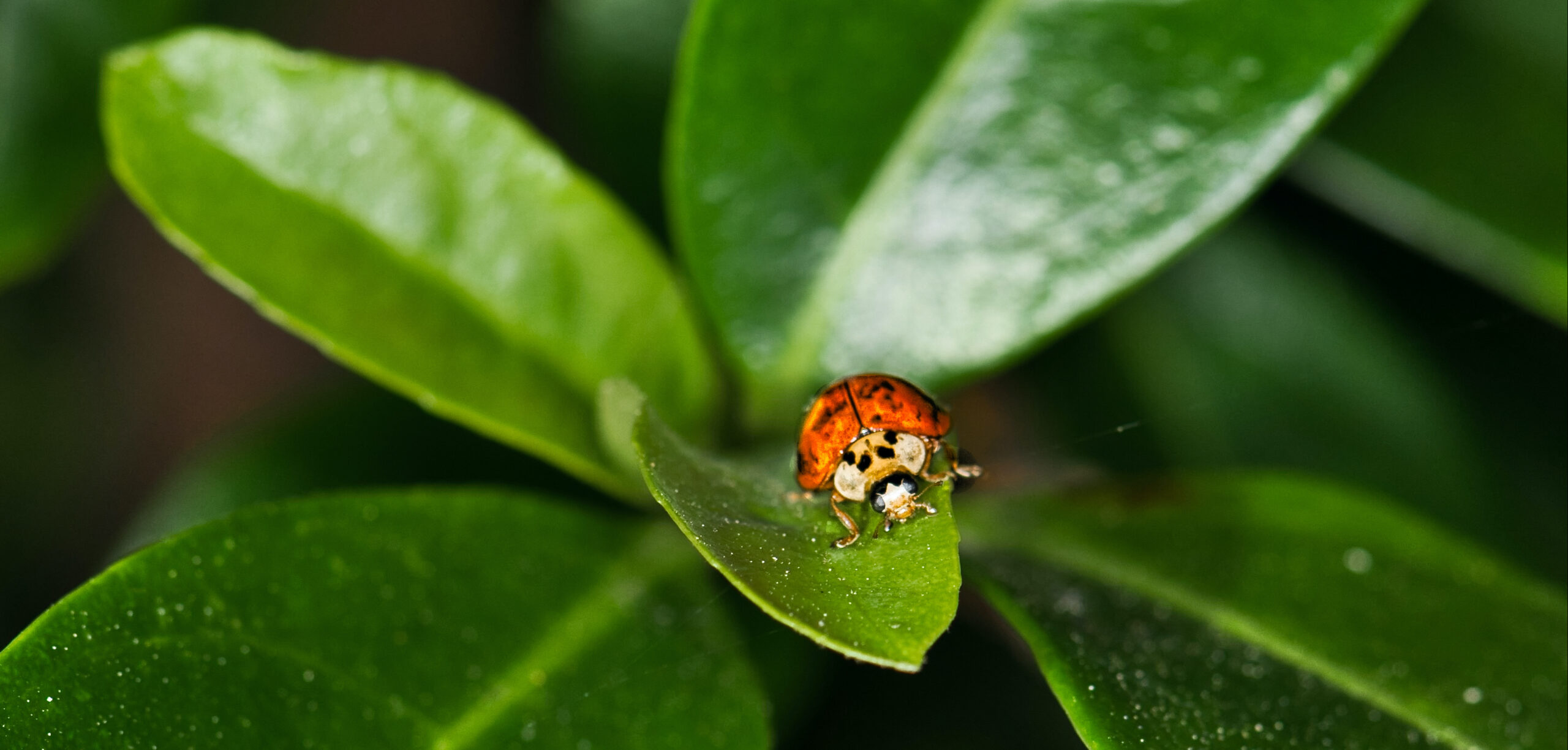
Beneficial insects are not one single group. They help in different ways.
Some are pollinators. Others are predators that feed on pests. Some are parasitoids, meaning they lay eggs in or on host insects and help suppress pest populations over time. Others help break down organic material and support a healthier garden system overall.
That is why a good beneficial-insect garden is not built around one “hero” species. Lady beetles, lacewings, hoverflies, parasitic wasps, ground beetles, and other helpful insects all use the garden differently. A more diverse garden supports more of those roles at once.
Oregon State Extension notes that beneficial insects rarely eliminate a pest population completely. What they often do is help create better balance and reduce how severe pest problems become. That is the realistic expectation to keep in mind.
If you want a garden that also supports pollinators in a broader sense, How to Create a Pollinator-Friendly Garden at Home is a useful companion.
Start With Plant Diversity and Season-Long Blooms
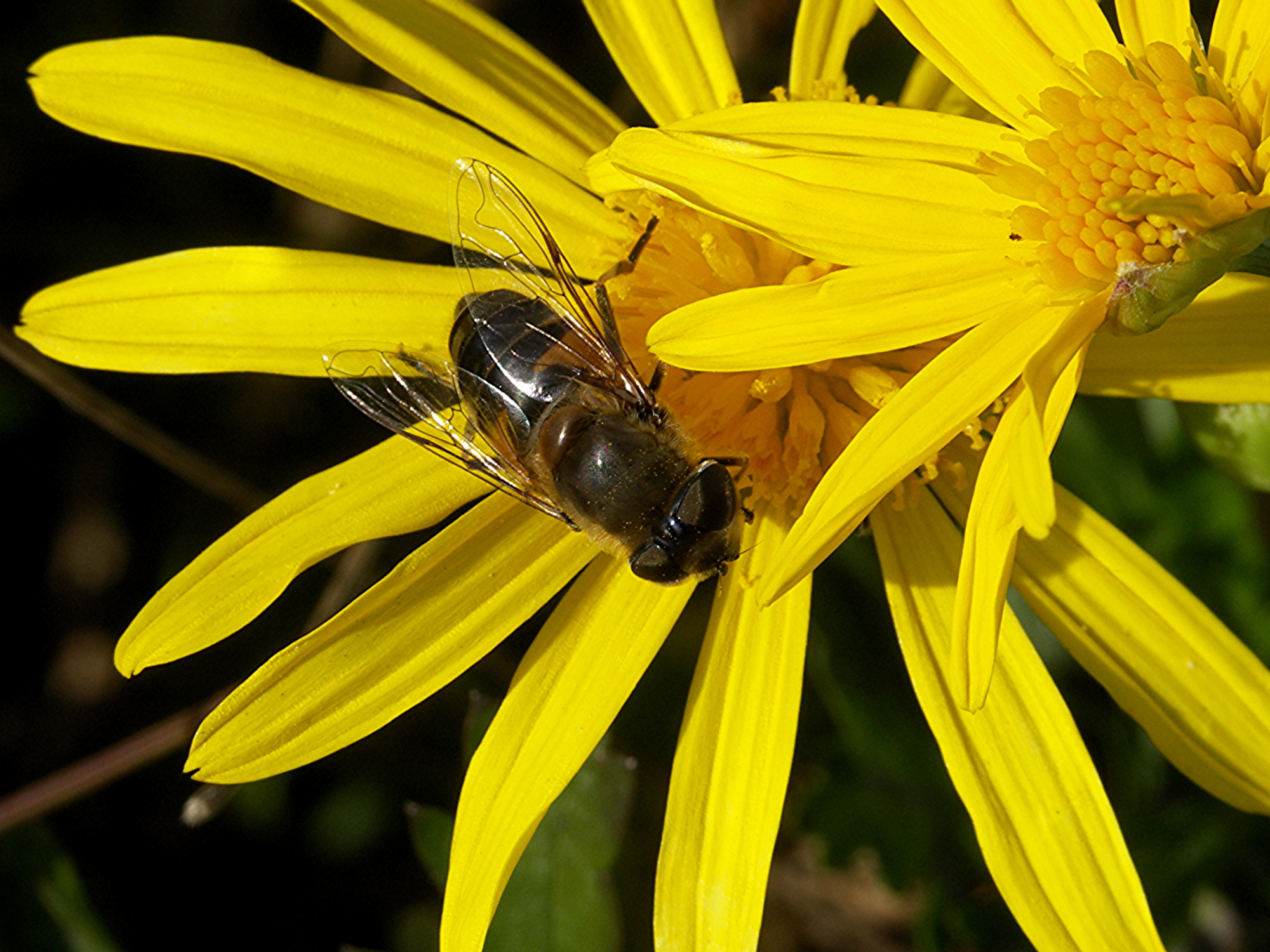
One of the simplest ways to support beneficial insects is to make sure something useful is blooming across the season.
Many adult beneficial insects feed on nectar and pollen, even when their young stages are predators. Penn State Extension recommends plant diversity and a bloom window that stretches from early spring into fall. That matters because a short burst of flowers in one month does not support insects for the rest of the gardening season.
A better approach is to mix different flower types, bloom shapes, and bloom times. That can include native perennials, herbs that flower, annual fillers, and a few shrubs if you have the space. The point is not to create a wild mess. The point is to keep useful resources available over time.
Plant families often recommended by extension guidance include the carrot family for small parasitoids and flies, and the aster family for larger predators such as lady beetles and soldier beetles. In practical home-garden terms, that means plants like dill, cilantro, fennel, yarrow, coreopsis, coneflower, alyssum, and similar flowers can do more than add color.
This also pairs naturally with How to Choose Native Plants for Your Yard, especially if you want better local habitat value instead of a purely decorative planting plan.
Build Shelter, Water, and Safe Overwintering Space
Flowers are only part of the picture. Beneficial insects also need places to hide, rest, reproduce, and survive colder months.
That usually means leaving some habitat in place instead of cleaning everything to perfection. A little leaf litter, some standing stems, dense plantings, mulch, and small undisturbed areas can all help. Penn State Extension also points to the value of mixing trees, shrubs, perennial flowers, and even low-maintenance turf because different insects use different parts of the landscape.
A shallow water source can help too, especially in hot weather. This does not need to be complicated. A simple shallow dish with pebbles or a small damp area can be enough to make the garden more hospitable.
Insect hotels can be a useful extra in some gardens, but they are not the foundation of the system. If you add one, think of it as a supporting feature, not a shortcut that replaces flowers, plant diversity, and safe habitat.
Stop Making the Garden Hostile to Helpful Insects
A lot of gardeners try to attract beneficial insects while also wiping them out by accident.
The most common problem is broad-spectrum insecticide use. Penn State Extension warns that many beneficial insects are even more sensitive to insecticides than the pests gardeners are trying to control. If you spray first and ask questions later, you can remove the very insects that would have helped you.
That does not mean every garden problem must be ignored. It means pesticide use should be more selective, more limited, and more deliberate. Spot-treating a genuine problem is different from repeatedly spraying whole areas at the first sign of chewing or aphids.
Another important mindset shift is tolerating a little pest presence. Oregon State Extension notes that beneficial insects often need some prey in the garden to persist. If the goal is zero insects of any kind, the garden will be much harder for helpful insects to use.
For gardeners who worry that a more ecological yard will look messy, Do Pollinator Gardens Need to Look Wild? Practical Design Tips for Home Yards helps show how habitat and structure can work together.
Practical Plants and Features That Help Most
You do not need to redesign the whole yard at once. A few practical upgrades go a long way.
- grouping flowering plants so insects can find them easily
- using a mix of bloom shapes and sizes instead of one repetitive planting
- letting a few herbs flower rather than cutting everything back immediately
- keeping part of the garden less disturbed through winter and early spring
- planting native species where they fit your yard and region
- adding a shallow water source or moist refuge during hot weather
- using insect hotels only as a supplement to real habitat
If you are starting from scratch, begin near the areas you already maintain and enjoy. A beneficial-insect plan works better when it is close enough to be watered, observed, and gradually improved.
Common Mistakes When Trying to Attract Beneficial Insects
Most failures come from mismatched expectations or overly tidy habits.
FAQ
What is the easiest way to attract beneficial insects?
Start with diverse flowers, fewer broad-spectrum sprays, and some shelter such as leaves, stems, or dense planting. A single insect hotel is less important than consistent habitat.
Do beneficial insects eliminate all garden pests?
No. They help balance pest pressure over time, but a healthy garden still has some insects and occasional plant damage.
Are native plants better for beneficial insects?
Often yes, especially when they support local food webs, but flowering herbs, non-invasive annuals, and habitat features can also help.
Image Credits
- Featured image generated for Renewable Gardening as a custom editorial illustration for “How to Build a Garden That Supports Beneficial Insects” (media ID 419).
- Lady beetle eating aphids photo by DAWID_FERRY via Wikimedia Commons, licensed CC0.
- Hoverfly on flower photo by Alvesgaspar via Wikimedia Commons, licensed CC BY-SA 3.0.