
A lot of homeowners like the idea of helping pollinators, but they hesitate because they assume a pollinator garden has to look wild, overgrown, or out of place in a normal yard. That concern is understandable. When people picture habitat planting, they often imagine a space with no edges, no visual structure, and no clear plan.
In reality, a pollinator garden can support bees, butterflies, and other beneficial insects without looking chaotic. The key is to treat it like a designed garden instead of a random collection of flowering plants. With the right structure, repetition, and scale, a pollinator bed can feel intentional, tidy, and homeowner-friendly while still doing real ecological work.
Key Takeaways
- Pollinator gardens do not need to look wild to support bees, butterflies, and other beneficial insects.
- Repetition, defined edges, layered plant heights, and clear paths can make a pollinator bed feel intentional.
- Native plants and pollinator-friendly flowers work best when they match the scale and function of the space.
- A smaller, well-designed pollinator area is usually better than a larger planting that feels unmanaged.
- Leaving some seasonal texture is helpful, but the overall garden can still look neat and homeowner-friendly.
Why Pollinator Gardens Get Labeled as Messy
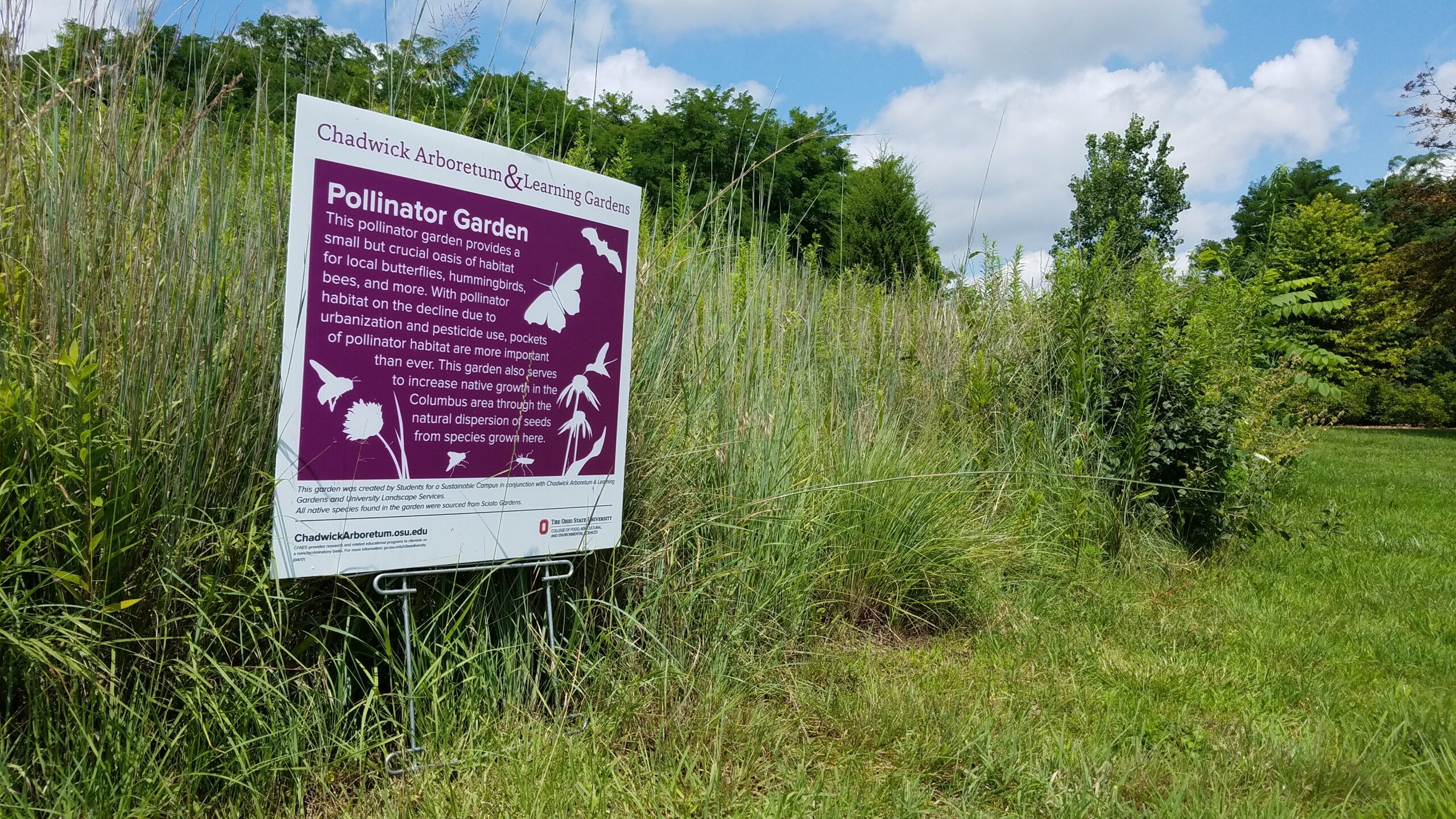
Pollinator gardens often get labeled as messy because people see the loosest examples first. A planting that is heavy on flowers but light on layout can read as unplanned, especially in a front yard or near a walkway.
Another reason is that pollinator-friendly spaces are sometimes described in ways that make homeowners think they have to give up order to gain habitat value. That is not really the tradeoff. A garden can be more supportive of pollinators and still have clear edges, repeated plants, manageable height transitions, and seasonal upkeep.
If you want the broader ecological case for this style of planting, Benefits of Native Plant Landscaping for Sustainable Yards helps explain why this approach matters in the first place.
Start With Structure Before You Start With Plants
One of the easiest ways to make a pollinator garden look intentional is to design the structure first.
Before choosing specific plants, decide where the bed begins and ends, how deep it should be, where taller plants belong, and how the planting should relate to the house, fence, path, or lawn around it. That framework matters because people usually read shape and placement before they notice individual flowers.
A defined bed line, a clean border, or a narrow strip of mulch can do a lot of visual work. These small design cues tell the eye that the planting belongs there on purpose.
If you are still figuring out how to choose plants that suit the space, How to Choose Native Plants for Your Yard is the best companion guide to this step.
Use Repetition and Plant Grouping to Create Order
A common mistake is planting one of everything. That approach may look exciting at the nursery, but it often creates a scattered result once the bed is in the ground.
Pollinator gardens usually look calmer and more intentional when plants are repeated in small groups. Repetition gives the eye a pattern to follow. It also makes the planting feel more cohesive instead of accidental.
This does not mean the bed has to be rigid or formal. It simply means a few plant groupings repeated across the space usually work better than a long list of unrelated choices. A homeowner-friendly pollinator bed often feels most balanced when there is enough variation for habitat value but enough repetition for visual order.
Balance Blooming Plants With Shape and Seasonal Structure
Flowers attract attention, but shape carries a lot of the design.
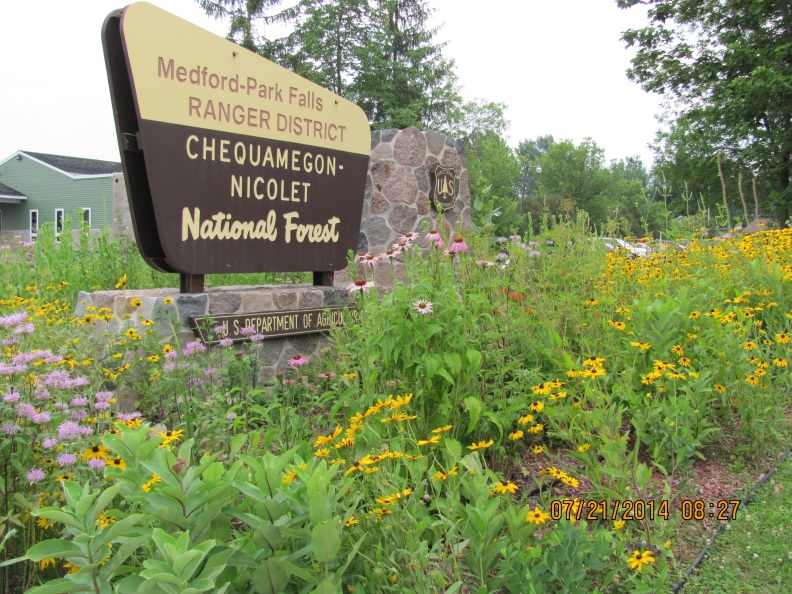
If every plant in the bed has the same soft, sprawling habit, the whole area can start to feel loose even when the flowers are beautiful. It helps to mix flowering plants with a few structural elements that give the eye something steady to read.
Depending on the space, that might mean including:
- upright plants that create vertical rhythm
- mounded plants that soften transitions
- grasses or seedheads that hold shape later in the season
- evergreen or semi-structured anchors nearby if the layout allows it
That balance matters because a pollinator bed should still look like a designed part of the yard after peak bloom, not only during its most colorful few weeks.
If your goal is a yard that stays more manageable overall, How to Start a Low-Maintenance Sustainable Garden adds a broader systems view.
Make the Garden Look Intentional From the Edges
The outer edge of a pollinator bed often shapes the first impression more than the middle.
A clean mow line, simple edging, repeated front-row plants, or a path that frames the planting can make a big difference. These cues help the garden look maintained even when the planting itself is soft, layered, and seasonally dynamic.
This is especially useful in front yards, where a border has to communicate quickly. A bed can still include habitat-friendly flowers, seedheads, and longer bloom windows without looking neglected if the edges feel deliberate.
For readers who want the broader habitat side of the picture, How to Create a Pollinator-Friendly Garden at Home pairs well with this design-focused article.
Start Small in a Spot You Can Manage Well
A smaller pollinator garden that looks cared for is usually more persuasive than a larger planting that quickly feels out of control.
Starting small gives you room to learn what the plants actually do in your yard. You can see how tall they get, how long they bloom, whether they flop, and how the bed feels visually from the street or patio. That information makes the next expansion much smarter.
A manageable starting area also makes maintenance easier. If you can edge it, watch it, thin it when needed, and update it over time, the garden is more likely to stay attractive as well as functional.
Common Design Mistakes That Make Pollinator Beds Feel Chaotic
There are a few patterns that make a pollinator garden feel less intentional than it could.
Planting too many species in a small area
Too much variety in a tight space can make the bed feel visually noisy.
Ignoring mature size and spread
Plants that looked small at purchase can quickly blur the intended layout.
Skipping edges and transitions
Without some kind of boundary, even a good planting can look unfinished.
Focusing only on bloom season
A pollinator bed should still make visual sense before flowers peak and after they fade.
Making the first project too large
When the bed becomes harder to maintain, people often read it as messy rather than habitat-friendly.
A Simple Formula for a Tidy Pollinator Garden
If you want a practical way to keep a pollinator bed attractive, start with this simple formula:
- choose one clearly defined bed area
- repeat a smaller number of plants instead of collecting too many one-offs
- place taller plants toward the back or center where they make sense
- use shorter plants or repeated edging plants near the front
- include a few shapes that hold structure beyond bloom season
- leave room to observe and adjust instead of trying to finish everything at once
That kind of garden can still feel lively, soft, and full of flowers. It just reads as intentional rather than accidental.
FAQ
Can a pollinator garden still look neat?
Yes. A pollinator garden can look neat when it has defined edges, repeated plant groups, layered height, and a scale that matches the space.
Do pollinator gardens have to use only wildflowers?
No. Pollinator-friendly design can include native plants, flowering perennials, grasses, and other supportive plants that help the bed feel balanced and usable in a home landscape.
What is the easiest way to make a pollinator bed look intentional?
Start with a smaller bed, define the edges clearly, and repeat a few plants in groups instead of planting one of everything.
Conclusion
Pollinator gardens do not have to look wild to work well. In a home yard, the most successful pollinator plantings are often the ones that combine habitat value with clear design choices people can actually maintain.
When you focus on structure, repetition, edges, scale, and seasonal balance, you can build a garden that supports pollinators and still feels like it belongs in a normal, well-cared-for landscape.
Read next
- How to Create a Pollinator-Friendly Garden at Home
- How to Choose Native Plants for Your Yard
- How to Make a Small Yard More Wildlife-Friendly
Explore this topic
For more practical guidance around gardening, visit the Gardening hub.
- How to Keep Weeds Down Without Reaching for Herbicide
- Shade-Friendly Native Plant Ideas for Low-Maintenance Yards
- How to Water New Plants Until They Are Established
Image Credits
- Featured image generated for Renewable Gardening as a custom editorial illustration for “Do Pollinator Gardens Need to Look Wild? Practical Design Tips for Home Yards” (media ID 421).
- Pollinator garden photo via Wikimedia Commons, licensed CC0.
- Native plant garden photo via Wikimedia Commons, licensed public domain.
- Pollinator garden path photo via Wikimedia Commons, licensed public domain.