
A lot of people want a yard that uses less water, but they assume that means giving up color, comfort, or the familiar look of a home landscape. That is one reason drought-tolerant gardening can feel intimidating. The phrase often sounds like it belongs to large desert landscapes or specialized design plans instead of normal front yards, side beds, and backyard planting areas.
In practice, drought-tolerant gardening is usually much simpler than that. It is less about forcing every inch of the yard into one style and more about making smarter decisions about plant choice, mulch, watering, and layout. When those pieces work together, a home landscape can handle dry periods better while still feeling attractive and manageable.
Key Takeaways
- Drought-tolerant gardening works best when plant choice, watering habits, and soil coverage all support each other.
- The goal is not a no-water yard. The goal is a yard that handles dry conditions more effectively.
- Matching plants to sun, soil, and moisture reality is more useful than buying random “tough” plants.
- Mulch, deeper watering, and grouping plants by similar needs can reduce stress during hot and dry weather.
- Starting with one problem area is often the easiest way to build a more resilient home landscape.
What Drought-Tolerant Gardening Really Means
A drought-tolerant garden is not a garden that never needs water. It is a garden built to cope better when rainfall is inconsistent, temperatures are high, or watering needs to be reduced.
That distinction matters. A lot of frustration comes from treating drought-tolerant plants like they can survive anything at any time. Even resilient plants usually need help getting established, and every landscape still depends on conditions like sun exposure, soil structure, and root health.
A better way to think about drought tolerance is resilience. The goal is to create planting areas that can stay healthier with less stress during dry periods because the plants fit the site and the maintenance habits support them.
If you want the broader low-input mindset behind that approach, How to Start a Low-Maintenance Sustainable Garden is a strong companion piece.
Start With the Hottest, Driest, or Most Difficult Areas
You do not need to redesign the whole yard at once. In most home landscapes, one or two areas already tell you where the water stress problems are.
It may be a strip next to a driveway, a sunny front bed, a slope that dries out quickly, or a spot under reflected heat from a wall or walkway. Those are often the best places to start because they show you where your current planting approach is struggling.
When you focus on the hardest area first, you can make more practical decisions. You stop trying to apply the same planting logic everywhere and start asking what that specific part of the yard actually needs. That usually leads to better choices and fewer replacements later.
Choose Plants That Match Sun, Soil, and Water Reality
One of the most useful drought-tolerant gardening habits is also one of the least flashy: choose plants that fit the site you actually have.
That means paying attention to:
- how much direct sun the area gets
- whether the soil drains quickly or stays compacted
- how exposed the space is to heat and wind
- whether the area can receive occasional deeper watering during establishment
- how large the plants will become over time
This is where people often get into trouble. They may buy plants because the label says low water, or because the plant looked good in another yard, without checking whether their own site conditions are similar. A plant that is broadly drought tolerant can still perform badly in the wrong spot.
If your plan includes more native plants, How to Choose Native Plants for Your Yard is the best follow-up.
Group Plants by Similar Needs
A landscape is usually easier to water well when plants with similar moisture needs are placed near each other.
If one section contains plants that all prefer lower water conditions, you can water that area more intentionally and avoid overcompensating for one thirstier plant in the mix. On the other hand, when high- and low-water plants are mixed together without a plan, the entire area often gets watered inefficiently.
This does not require a complicated irrigation map. It just means noticing which beds or planting zones behave similarly and choosing plants that make sense together. Over time, that creates a yard that is easier to manage and less wasteful during dry weather.
Use Mulch to Protect Soil Moisture
Mulch is one of the simplest drought-tolerant tools available to home gardeners, but people often underestimate how much it helps.
A good mulch layer can reduce evaporation, moderate soil temperature, and make dry periods less punishing for roots. It also helps the soil hold a more even environment instead of swinging quickly from hot and exposed to damp and compacted.
That does not mean piling mulch against every stem or trunk. It means using it thoughtfully across open soil surfaces where moisture loss is a repeated problem.
If you want a broader water-saving framework, How to Reduce Water Use in Your Garden Without Sacrificing Healthy Plants connects well with this section.
Water More Deeply, Less Randomly
A drought-tolerant landscape still benefits from watering, especially while plants are getting established. The difference is that watering should support stronger root systems instead of creating shallow dependence.
Frequent, light watering can encourage roots to stay near the surface, where soil dries out fastest. In many home-garden situations, a deeper and less scattered watering habit is more helpful than repeated shallow sprinkling.
The exact schedule depends on climate, soil, and plant type, so this article is not offering a fixed calendar. The practical point is simpler: water in a way that supports deeper rooting and then reduce wasteful habits once plants are established.
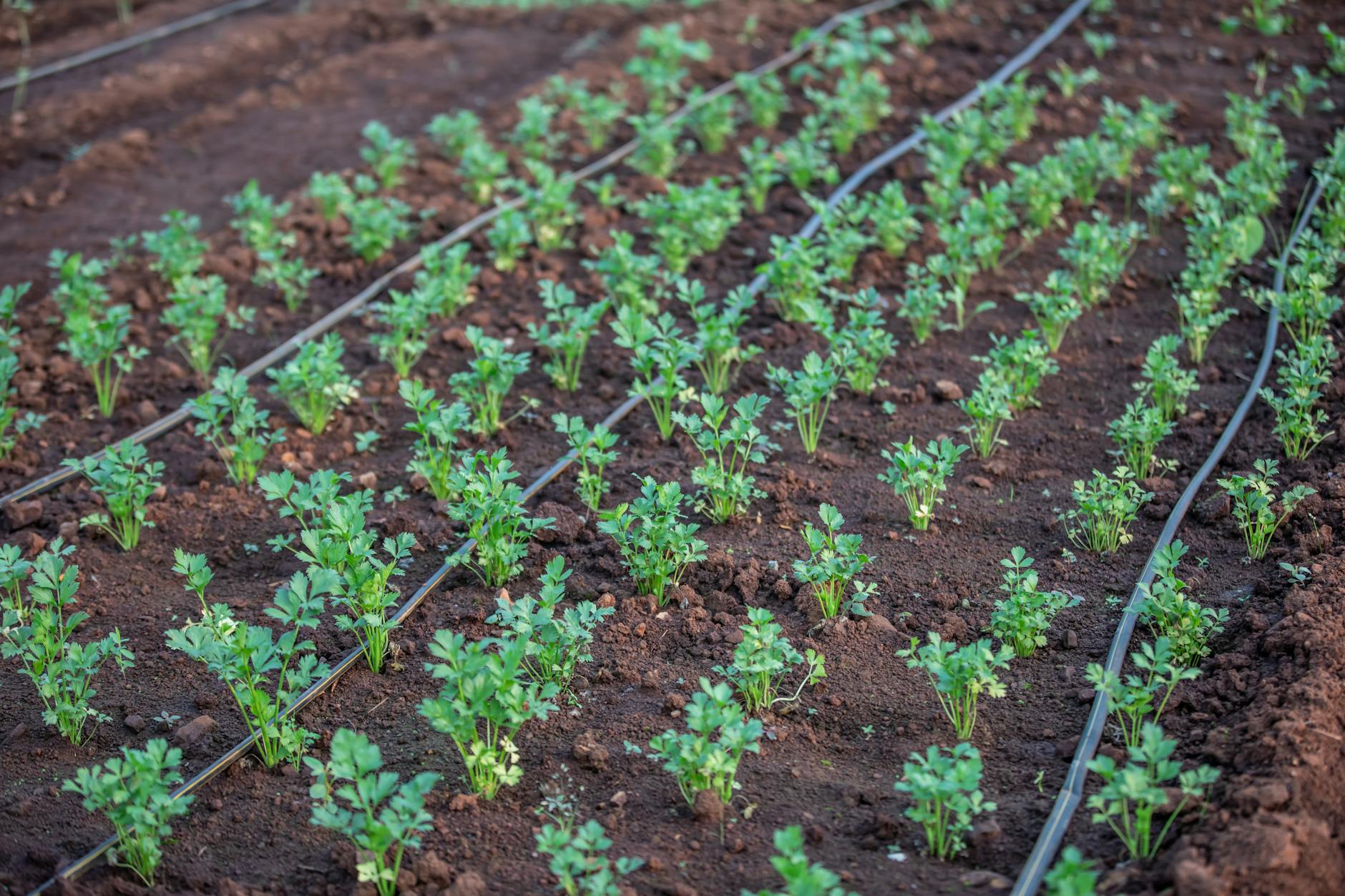
Drip irrigation, soaker-style watering, or targeted hand watering often fit drought-tolerant goals better than broad, casual overhead watering.
Reduce Lawn Pressure Where It Makes Sense
In some yards, the highest water demand comes less from garden beds and more from struggling lawn areas.
That does not mean every homeowner needs to remove the lawn entirely. But it can be useful to notice whether a narrow strip, awkward slope, or hard-to-water edge would function better as a bed, groundcover zone, or simpler planted area.
Sometimes drought-tolerant gardening is really about reducing the number of spaces that constantly fight the site. A smaller area of healthier lawn and better-planted beds can be easier to maintain than a yard full of stressed, thirsty patches.
Common Mistakes in Drought-Tolerant Gardening
A few mistakes show up repeatedly:
Assuming drought tolerant means no establishment care
Even low-water plants often need regular support at the beginning. Drought tolerance usually improves after roots are established.
Choosing plants by label only
“Low water” is not enough information by itself. Sun, soil, heat exposure, and size still matter.
Skipping mulch
Bare soil loses moisture faster and often makes dry conditions harder on the entire planting area.
Mixing very different water needs together
This often leads to inefficient watering and plant stress.
Changing too much at once
A slower, area-by-area approach is usually easier to manage and easier to correct.
If you want to avoid the broader pattern of overcorrecting or rushing, Common Mistakes New Gardeners Make When Trying to Garden Sustainably is a useful companion read.
A Simple Drought-Tolerant Upgrade Plan
If you want to make your landscape more drought tolerant without getting overwhelmed, start with this:
- identify the part of the yard that dries out fastest or needs the most rescue watering
- improve plant fit instead of trying to save every struggling plant forever
- add mulch where open soil keeps drying too quickly
- water more intentionally during establishment
- group future plantings by similar needs when possible
- expand only after one area starts working better
That kind of plan is practical, repeatable, and much easier to live with than a dramatic one-time overhaul.
FAQ
Do drought-tolerant gardens need no water?
No. Drought-tolerant gardens are designed to handle dry conditions better, but plants still need water during establishment and may still need support during extended dry periods.
Is drought-tolerant gardening the same as xeriscaping?
Not always. Xeriscaping is a broader design approach focused heavily on water efficiency. Drought-tolerant gardening can overlap with that, but many home gardeners are simply trying to make ordinary landscapes more resilient.
Can I make just part of my yard drought tolerant?
Yes. In fact, that is often the best place to start. Improving one difficult area can be more practical than trying to redesign the entire yard at once.
Conclusion
Drought-tolerant gardening does not have to mean a bare, severe, or highly specialized yard. In most home landscapes, it starts with better fit, better watering habits, and better soil coverage.
When you focus on the areas that struggle most, choose plants more carefully, and support them with mulch and smarter watering, the landscape usually becomes more resilient without becoming harder to enjoy. That is the real goal: a yard that works better during dry periods because it has been designed more thoughtfully from the start.
Read next
- How to Reduce Water Use in Your Garden Without Sacrificing Healthy Plants
- Rain Barrels for Beginners: Are They Worth It for Home Gardens?
- How to Start a Low-Maintenance Sustainable Garden
Explore this topic
For more practical guidance around gardening, visit the Gardening hub.
- How to Keep Weeds Down Without Reaching for Herbicide
- Shade-Friendly Native Plant Ideas for Low-Maintenance Yards
- How to Water New Plants Until They Are Established
Image Credits
- Featured image generated for Renewable Gardening as a custom editorial illustration for “Drought-Tolerant Gardening Tips for Home Landscapes” (media ID 422).
- Drip irrigation garden bed photo via Pexels, licensed Pexels License.
- Ornamental grasses near a fence photo via Unsplash, licensed Unsplash License.