
A lot of new gardeners are drawn to sustainable gardening for the right reasons. They want to use less water, waste less, improve the soil, and create something healthier over time. The problem is that good intentions do not automatically create a practical system.
Many beginners make the same mistake in different forms: they try to do too much, too fast, without building the basic conditions that make a garden easier to maintain. That can lead to wasted money, tired plants, extra chores, and the feeling that sustainable gardening is more complicated than it is worth. In reality, the most sustainable gardens usually become simpler and more resilient over time.
Key Takeaways
- New gardeners often make sustainable gardening harder by trying to change everything at once instead of building a few strong habits first.
- Healthy soil, appropriate plant choices, and consistent watering matter more than buying lots of products or chasing perfect methods.
- Overplanting, under-mulching, and ignoring local conditions are common beginner mistakes that create extra work later.
- A sustainable garden should become easier to maintain over time, not more fragile or more demanding.
- Starting smaller and adjusting based on what your yard actually does usually leads to better long-term results.
Why Sustainable Gardening Goes Wrong for Beginners
Beginner gardeners often approach sustainability as a collection of ideals rather than a working home system. They read about composting, native plants, rainwater collection, organic fertilizers, pollinator support, mulching, and low-input gardening all at once, then assume they need to implement everything immediately.
That usually creates confusion instead of progress. A sustainable garden does not have to be elaborate. It has to be realistic for the space, the climate, and the person maintaining it. If you want the broader setup strategy first, How to Start a Low-Maintenance Sustainable Garden is the best companion article to this one.
Mistake 1: Trying to Do Too Much at Once
One of the fastest ways to make a garden unsustainable is to build more than you can realistically manage.
Beginners often start too many beds, buy too many plants, or try too many systems at the same time. They may set up a compost pile, seed trays, a pollinator section, a vegetable patch, and a watering routine all in one burst of enthusiasm. Then the garden starts asking for more time than they expected.
A better approach is to start with one manageable area and make that area work well. A smaller garden that gets consistent care is more sustainable than a large, stressed setup that is hard to keep up with.
Mistake 2: Ignoring Soil and Starting With Plants Instead
New gardeners often focus on what to plant before asking what the soil needs.
That is backwards. Poor soil usually leads to weaker plants, more watering problems, and more frustration. It also pushes beginners toward unnecessary product buying because they are trying to solve symptoms instead of improving the foundation.
A sustainable garden gets stronger when the soil improves over time. Adding compost, protecting the surface, and building organic matter usually helps more than chasing quick fixes. If you want a deeper look at this side of the system, Best Ways to Improve Garden Soil Naturally covers the basics.
Mistake 3: Choosing Plants That Do Not Fit the Site
A lot of beginner disappointment comes from choosing plants based on looks, trends, or impulse purchases instead of actual site conditions.
A plant may be beautiful and still be wrong for the space. Some plants need more sun, more room, or more moisture than a yard can reliably provide. Others create more maintenance than a beginner wants.
Before buying heavily, it helps to observe:
- how much sun the area gets
- how quickly the soil dries out
- how exposed the site is to heat or wind
- how much space mature plants will really need
Sustainable gardening works best when the plants fit the place instead of forcing the gardener to constantly compensate.
Mistake 4: Using Water Inefficiently
Many beginners either water too lightly and too often or wait until plants are already stressed.
That pattern leads to weak root systems and more wasted effort. Sustainable watering is not only about using less water. It is about using water more deliberately.
That usually means:
- watering more deeply when needed instead of sprinkling constantly
- paying attention to soil moisture instead of watering on panic alone
- grouping plants with similar needs when possible
- reducing evaporation with mulch and better soil structure
If water use is one of your biggest friction points, How to Reduce Water Use in Your Garden Without Sacrificing Healthy Plants goes deeper on that problem.
Mistake 5: Leaving Soil Bare and Unprotected
Bare soil dries out faster, erodes more easily, and invites more weed pressure. It also makes the garden work harder than it needs to.
That is one reason mulch matters so much. A layer of mulch can help moderate soil temperature, reduce moisture loss, and lower maintenance pressure at the same time.
Many beginners skip this step because it looks optional compared with planting. It is not really optional if the goal is a lower-input garden. Why Mulch Matters in a Sustainable Garden explains why covering the soil is one of the simplest upgrades you can make.
Mistake 6: Treating Sustainable Gardening Like a Shopping List
Sustainable gardening can become strangely consumer-heavy if a beginner believes every improvement requires another purchase.
People often buy gadgets, fertilizers, specialty amendments, decorative containers, and too many plants before they have learned what their garden actually needs. That can create waste instead of reducing it.
A more durable approach is to ask a different question: what will make this garden easier, healthier, and more stable over time?
Sometimes the answer is a purchase. Often the answer is slower and simpler:
- use compost before buying more products
- mulch before buying more plants
- observe the site before redesigning it
- reuse materials where practical
- add systems gradually instead of all at once
How to Start Smarter Instead
A sustainable garden does not need to start perfectly. It needs to start sensibly.
A better beginner sequence usually looks like this:
- begin with one manageable area
- improve the soil before expanding aggressively
- choose plants that actually fit the site
- mulch early to protect the soil
- water with more intention and less guesswork
- add new systems only after the basics are working
This is what makes a garden feel more sustainable in real life. It begins to need less correction, less waste, and less emergency effort.
FAQ
What is the biggest mistake beginner gardeners make?
Trying to do too much at once is one of the biggest beginner mistakes. It creates more complexity and maintenance before the gardener has a stable routine.
Can a sustainable garden still look neat and intentional?
Yes. Sustainable does not have to mean messy or neglected. A well-planned garden can support soil health, water efficiency, and pollinators while still looking clean and cared for.
How do you start a sustainable garden without spending a lot?
Start small, improve the soil, mulch the surface, and buy plants more selectively. A few well-chosen actions usually matter more than a long shopping list.
Conclusion
Most beginner sustainable gardening mistakes come from overreach, not lack of effort. People want to do the right thing, but they often skip the simple systems that make the garden easier to care for.
If you start smaller, build the soil, choose plants that fit the space, protect the soil surface, and water more deliberately, you give your garden a much better chance to become healthier and lower-maintenance over time. That is what sustainable gardening should actually feel like.
Read next
- How to Start a Low-Maintenance Sustainable Garden
- Sustainable Garden Habits That Save Time and Resources
- Best Ways to Improve Garden Soil Naturally
Explore this topic
For more practical guidance around gardening, visit the Gardening hub.
- How to Keep Weeds Down Without Reaching for Herbicide
- Shade-Friendly Native Plant Ideas for Low-Maintenance Yards
- How to Water New Plants Until They Are Established
Image Credits
- Featured image generated for Renewable Gardening as a custom editorial illustration for “Common Mistakes New Gardeners Make When Trying to Garden Sustainably” (media ID 425).
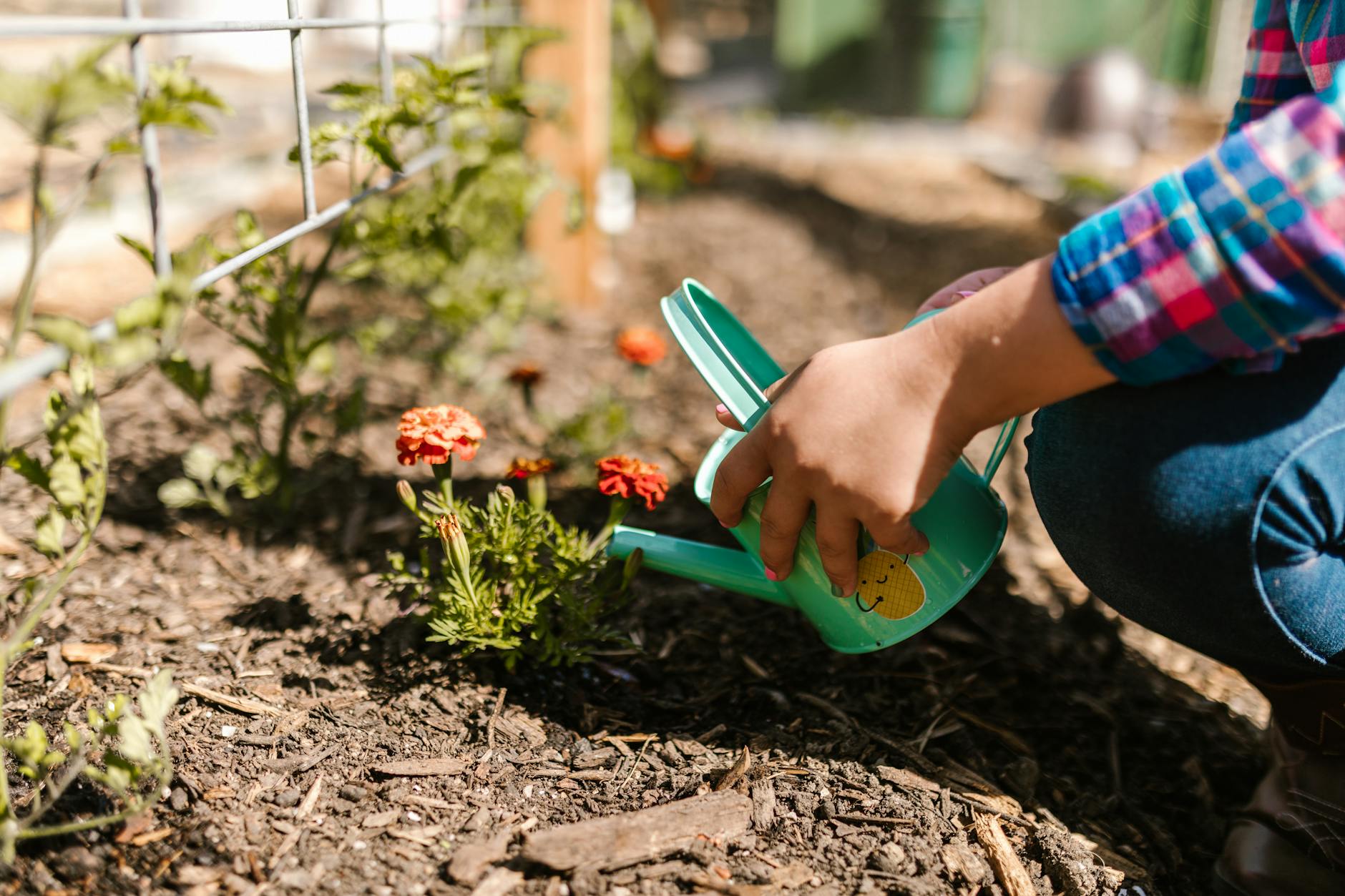
- Gardener watering young plants photo via Pexels, licensed Pexels License.
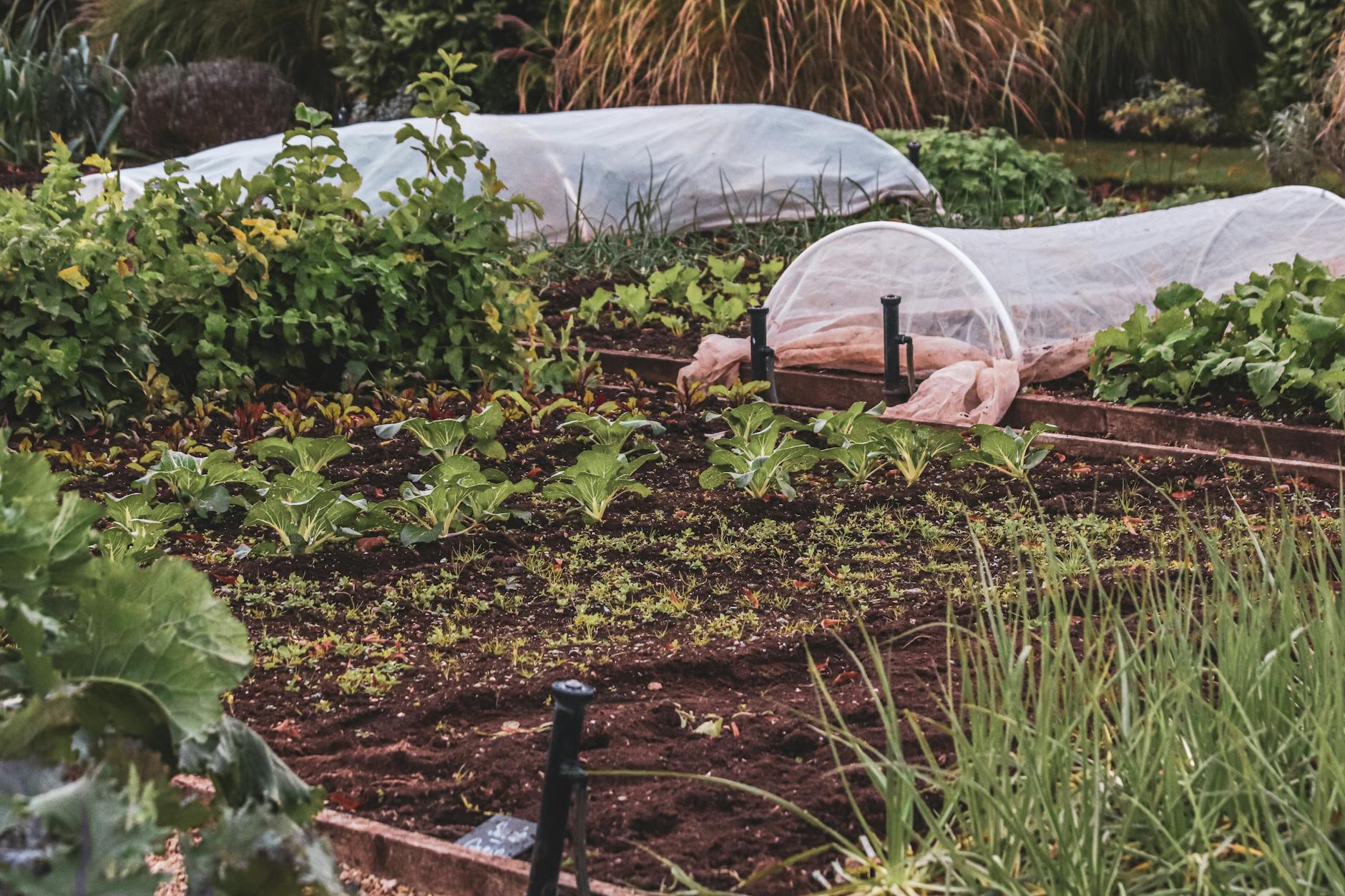
- Healthy home garden bed photo via Pexels, licensed Pexels License.