If you are new to composting, kitchen scraps are usually the most obvious place to start. Fruit peels, vegetable trimmings, coffee grounds, and other everyday food waste can become something useful instead of going into the trash.
The part that trips people up is not the idea. It is the details. People are often unsure what belongs in a backyard compost pile, what should stay out, and how to keep the pile from turning soggy, smelly, or frustrating. The good news is that beginner composting does not need to be complicated. A simple routine and a more balanced mix can go a long way.
Key Takeaways
- Most fruit and vegetable scraps can be composted, but meat, dairy, oily foods, and large amounts of cooked leftovers should stay out of a basic home pile.
- Kitchen scraps break down better when they are mixed with dry brown materials such as leaves, cardboard, or paper.
- Small routine habits, like draining wet scraps and covering fresh food waste, help reduce odors and pests.
- A beginner compost system works best when it stays simple, manageable, and consistent.
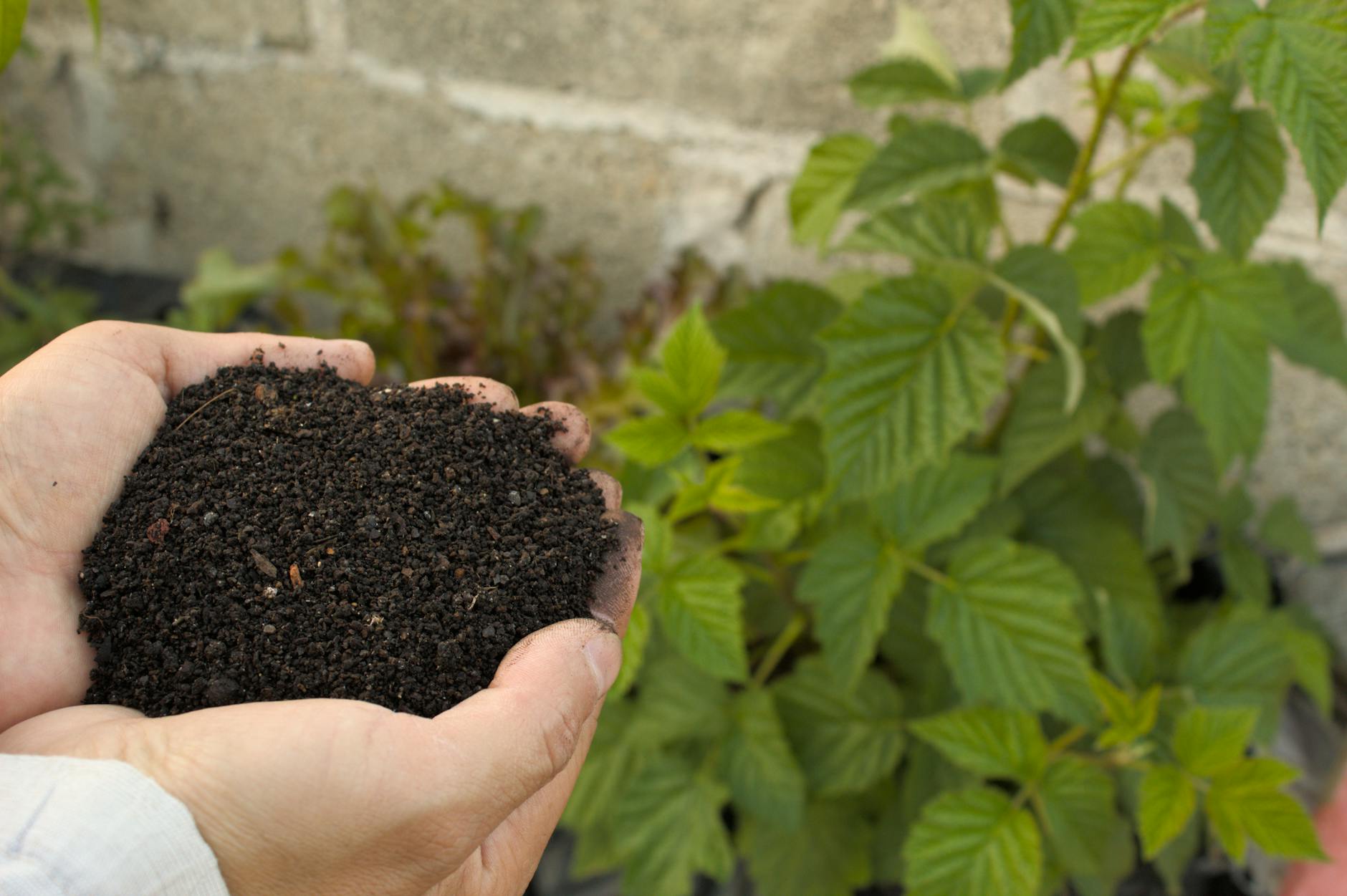
- Finished compost should look dark, crumbly, and earthy before it is used in the garden.
Why Kitchen Scraps Are a Good Place to Start
Kitchen scraps help beginners see composting as a practical household habit instead of a vague sustainability goal. You do not have to wait for a big yard cleanup or a major garden project. You can start with the food waste you already create during normal cooking.
This also helps connect the kitchen to the garden more directly. Instead of treating scraps as waste, you begin to see them as part of a cycle that can support healthier soil later. If you want the broader home-composting foundation first, How to Start Composting at Home is the best starting point.
Which Kitchen Scraps You Can Compost
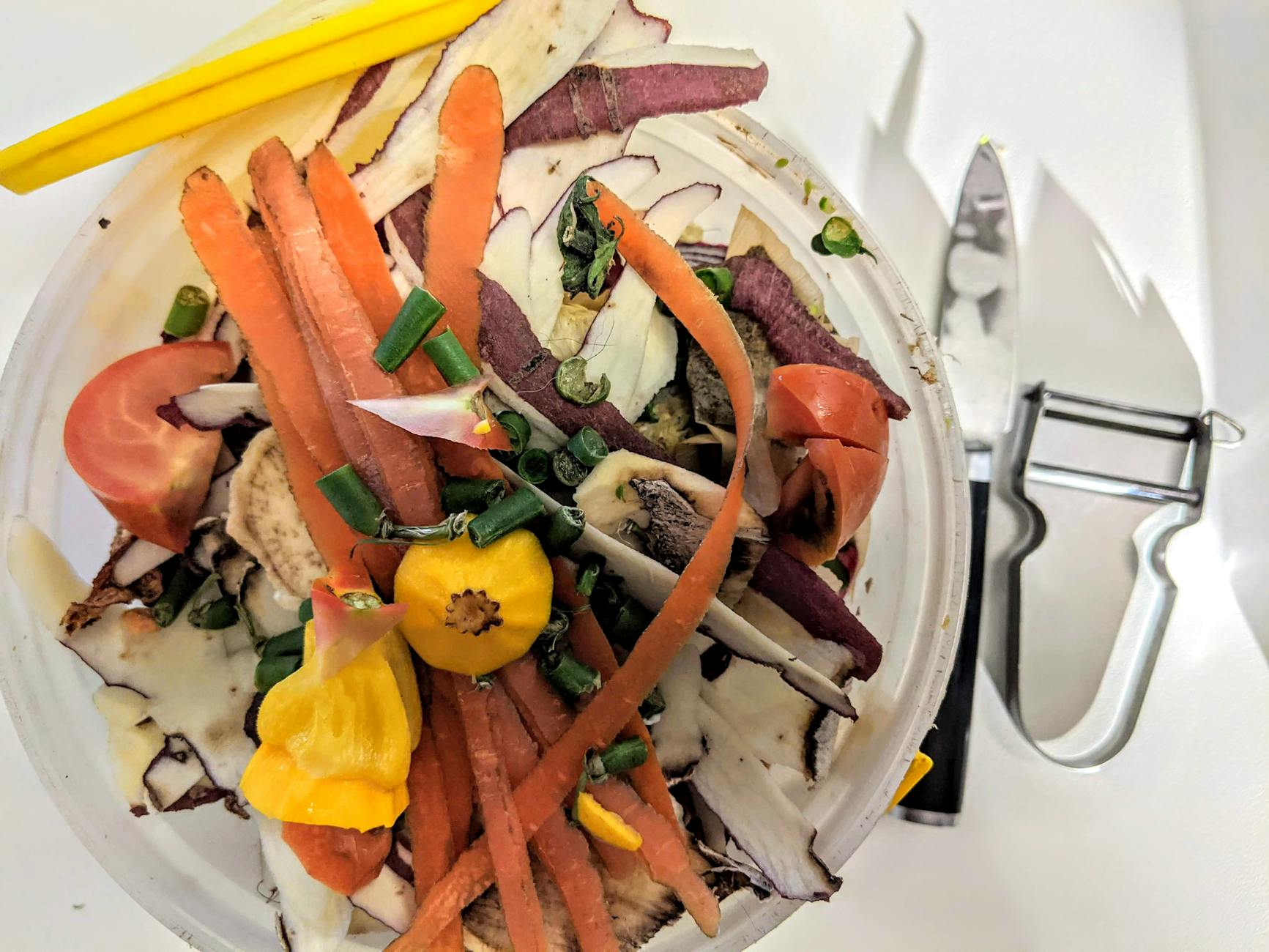
For a basic backyard compost pile, the easiest kitchen scraps to compost are simple plant-based materials.
Good beginner-friendly compost scraps usually include:
- fruit and vegetable peels
- chopped produce trimmings
- coffee grounds and paper filters
- tea leaves or plain tea bags if the bag material is compostable
- crushed eggshells
- stale bread or plain grains in small amounts
These materials tend to break down reasonably well when they are mixed with enough dry brown material.
Some scraps are wetter than others. Melon rinds, cucumber peels, and other water-heavy scraps can still be composted, but they should not be dumped into the pile by themselves in large soggy batches.
What to Keep Out of a Basic Home Compost Pile
A lot of beginner compost problems come from trying to compost too many food types too early.
For a simple home garden compost pile, it is usually best to leave out:
- meat and fish
- dairy products
- greasy or oily food
- large amounts of cooked food
- bones
- heavily sauced or salted leftovers
These materials can attract pests, create stronger odors, and make a beginner pile harder to manage. They may be compostable in some specialized systems, but they are not the easiest place to start.
It is also smart to be conservative with citrus peels, onion-heavy waste, and large batches of one material. Small amounts are usually manageable, but a pile made mostly of wet kitchen waste can become compacted and unpleasant quickly.
How to Balance Kitchen Scraps So the Pile Works Better
Kitchen scraps are usually considered green materials because they add moisture and nitrogen-rich food for decomposition. But a pile made mostly of kitchen scraps often turns wet, dense, and slow.
That is why brown materials matter. Browns help add structure and absorb excess moisture.
Useful browns for a beginner compost pile include:
- dry leaves
- shredded cardboard
- torn paper without glossy coatings
- small amounts of straw
- dry plant debris
A simple rule is to add dry material regularly whenever you add fresh kitchen scraps. You do not need a perfect formula. You just want to avoid a pile that looks slimy, matted, or overly wet.
If your pile smells sour or looks heavy and soggy, it usually needs more brown material and a bit more air.
Simple Ways to Avoid Smells, Slime, and Pests
Most backyard compost problems are management problems, not proof that composting is too hard.
A few basic habits make a big difference:
- empty kitchen scraps regularly instead of letting them become a wet sludge indoors
- add dry brown material after fresh food scraps
- bury or cover fresh scraps inside the pile instead of leaving them exposed on top
- avoid overloading a small pile with too much food waste at once
- keep the pile damp, not drenched
If pests or odors become a recurring problem, the pile is usually too wet, too exposed, or too dependent on food scraps without enough balancing material.
A covered bin, a simple lidded kitchen container, and a steady supply of leaves or shredded cardboard can solve a lot of beginner issues before they get worse.
How to Use Finished Compost in the Garden
Finished compost should not look like recognizable kitchen waste. It should look dark, crumbly, and fairly even, with an earthy smell.
Once it reaches that stage, you can use it in a few practical ways:
- mix it into garden beds before planting
- spread a thin layer around established plants
- blend it into vegetable beds or flower borders
- use it as part of a soil-building routine over time
If your goal is better garden soil, this connects naturally with Best Ways to Improve Garden Soil Naturally. Compost is not just a waste solution. It is one of the most useful long-term inputs for healthier soil.
A Simple Beginner Routine for Composting Kitchen Scraps
A beginner routine does not need to be fancy.
A practical system can look like this:
- keep a small kitchen container for fruit, vegetable, coffee, and eggshell scraps
- empty it into the compost bin every few days
- add a layer of dry browns after each dump
- keep the pile covered or tucked in neatly
- check occasionally that it is moist but not soggy
- stay selective about what goes in
That is enough to start building a working habit. You can refine the system later, but most beginners do better when they start with consistency rather than complexity.
FAQ
Can you compost citrus peels?
Yes, usually in moderation. Small amounts are generally fine in a backyard pile, but very large amounts of citrus can make the pile less balanced and slower to break down.
Can cooked food go in compost?
Small amounts may break down, but it is usually better for beginners to keep cooked food out of a basic home compost pile, especially if it is oily, salty, or likely to attract pests.
How long does kitchen scrap compost take to finish?
It depends on the size of the pile, the balance of greens and browns, moisture, and temperature. Some piles break down faster than others, so it is better to judge by texture and smell than by a fixed timeline.
Conclusion
Composting kitchen scraps for the garden is one of the simplest ways to make home composting feel real and useful. The key is not composting everything. The key is composting the right materials, balancing them with dry browns, and keeping the routine manageable.
If you start with common plant-based scraps, stay conservative about problem foods, and keep the pile from getting too wet, you give yourself a much better chance of ending up with usable compost instead of a frustrating mess.
Read next
- How to Start Composting at Home: A Beginner-Friendly Guide
- How to Use Compost in Your Garden Without Overdoing It
- Best Ways to Improve Garden Soil Naturally
Explore this topic
For more practical guidance around composting, visit the Composting hub.
- Simple Compost Bin Setups for Small Backyards
- How to Use Compost in Your Garden Without Overdoing It
- How to Start Composting at Home: A Beginner-Friendly Guide
Image Credits
- Featured image generated for Renewable Gardening as a custom editorial illustration for “Beginner’s Guide to Composting Kitchen Scraps for the Garden” (media ID 426).
- Vegetable scraps for compost photo via Pexels, licensed Pexels License.
- Finished compost for garden soil photo via Pexels, licensed Pexels License.